Gary Saretzky Photo Books
Lartigue. Boyhood Photos of J.-H. Lartigue: The Family Album of a Gilded Age. First edition.
Lartigue. Boyhood Photos of J.-H. Lartigue: The Family Album of a Gilded Age. First edition.
Impossible de charger la disponibilité du service de retrait
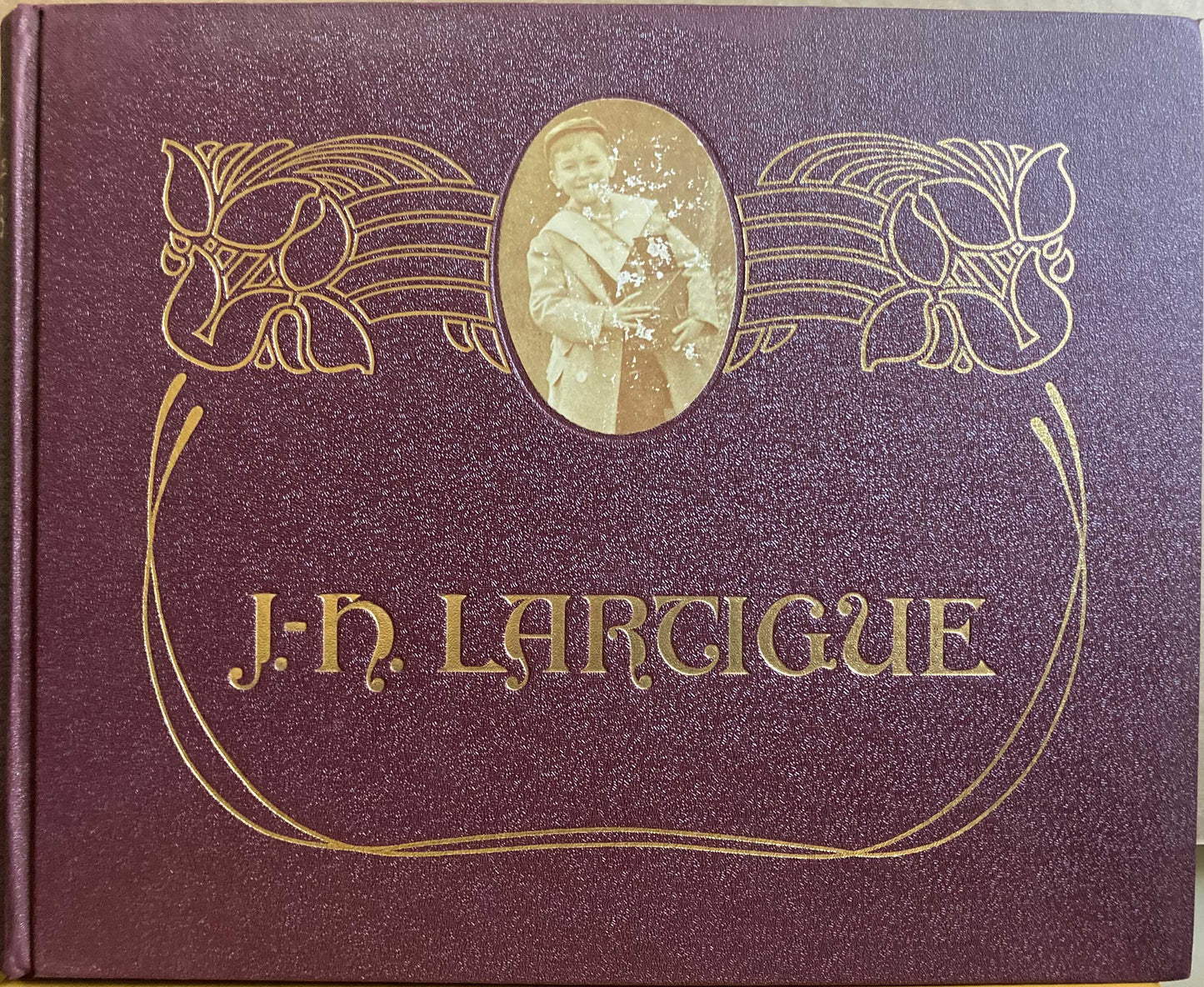
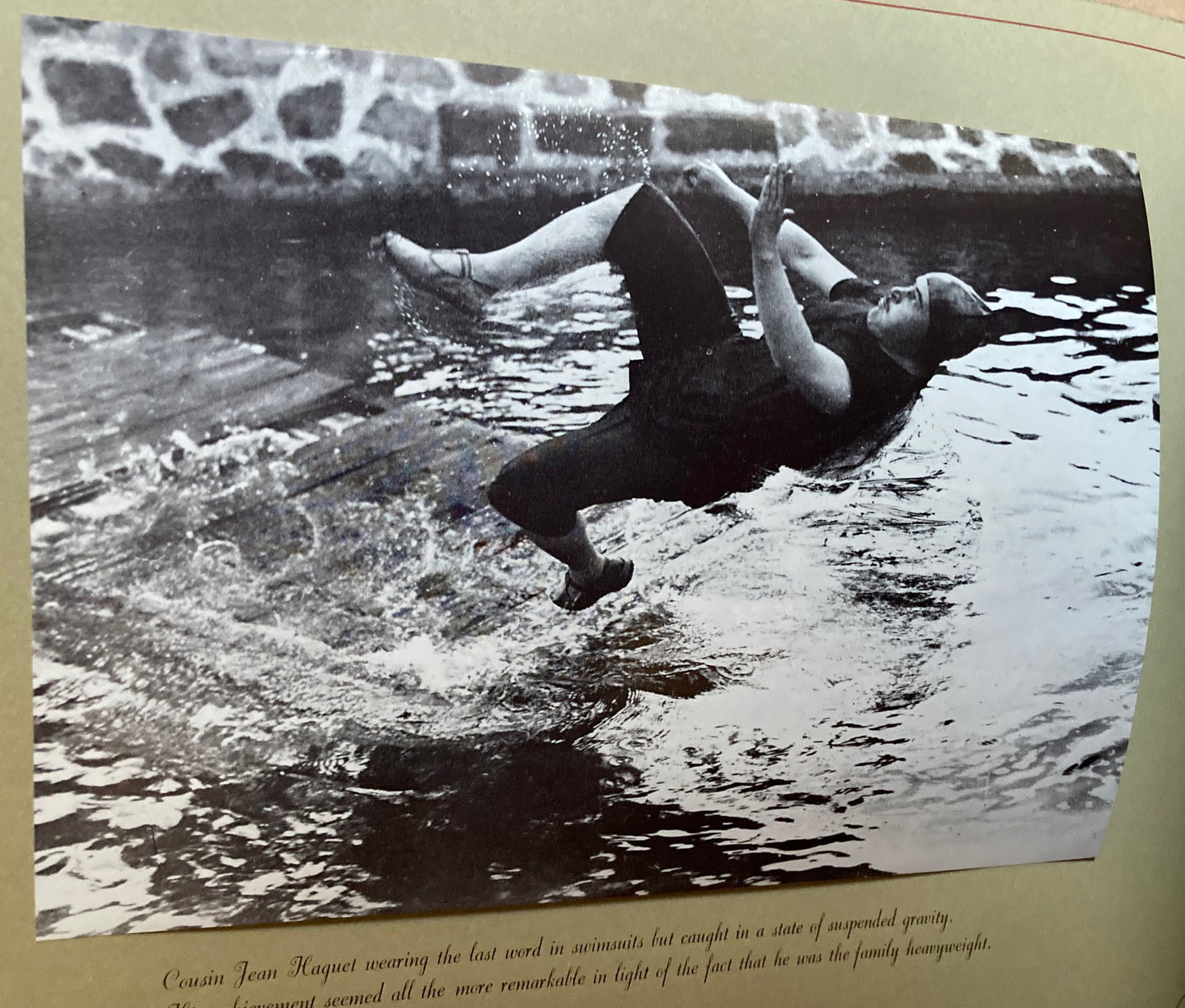
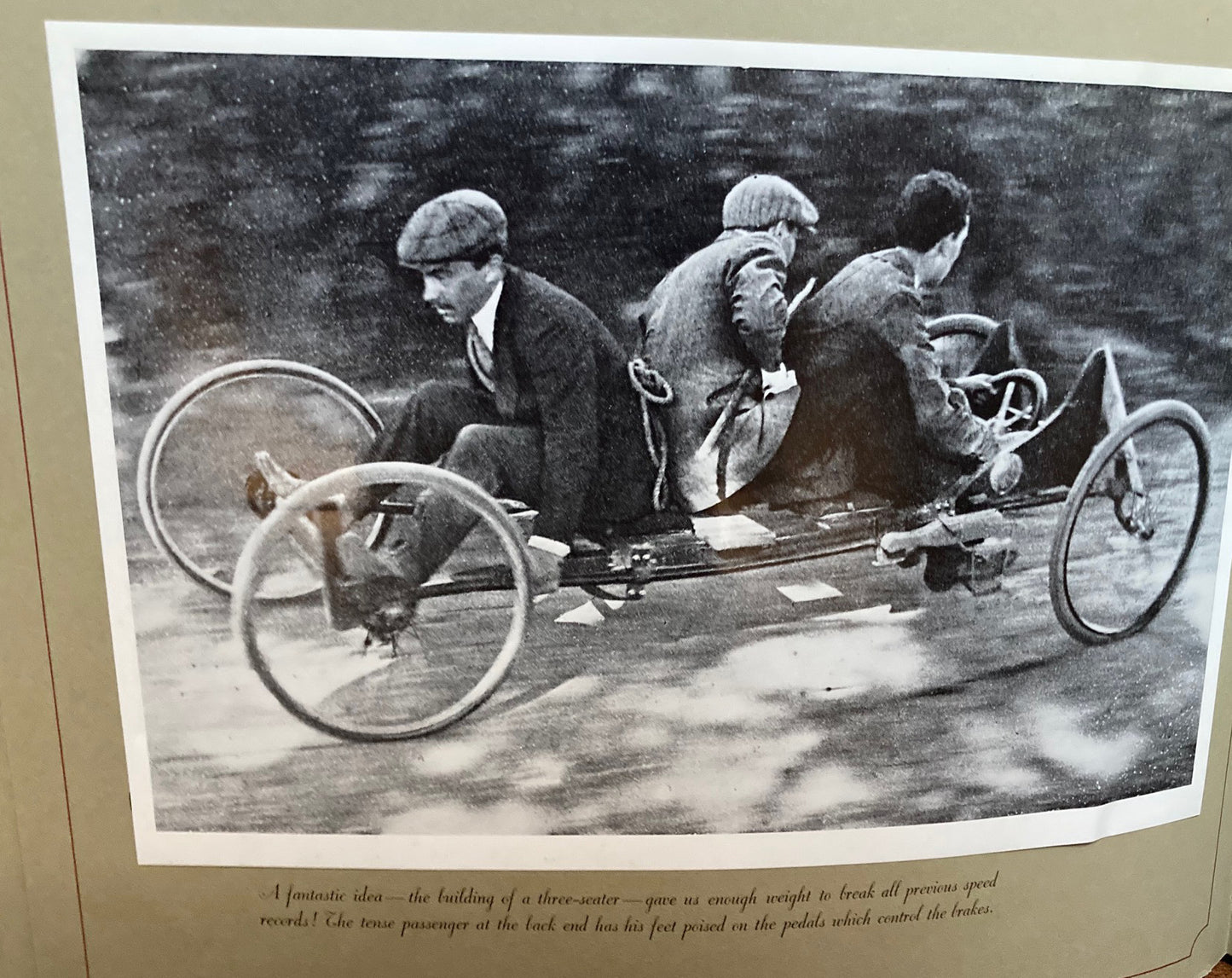
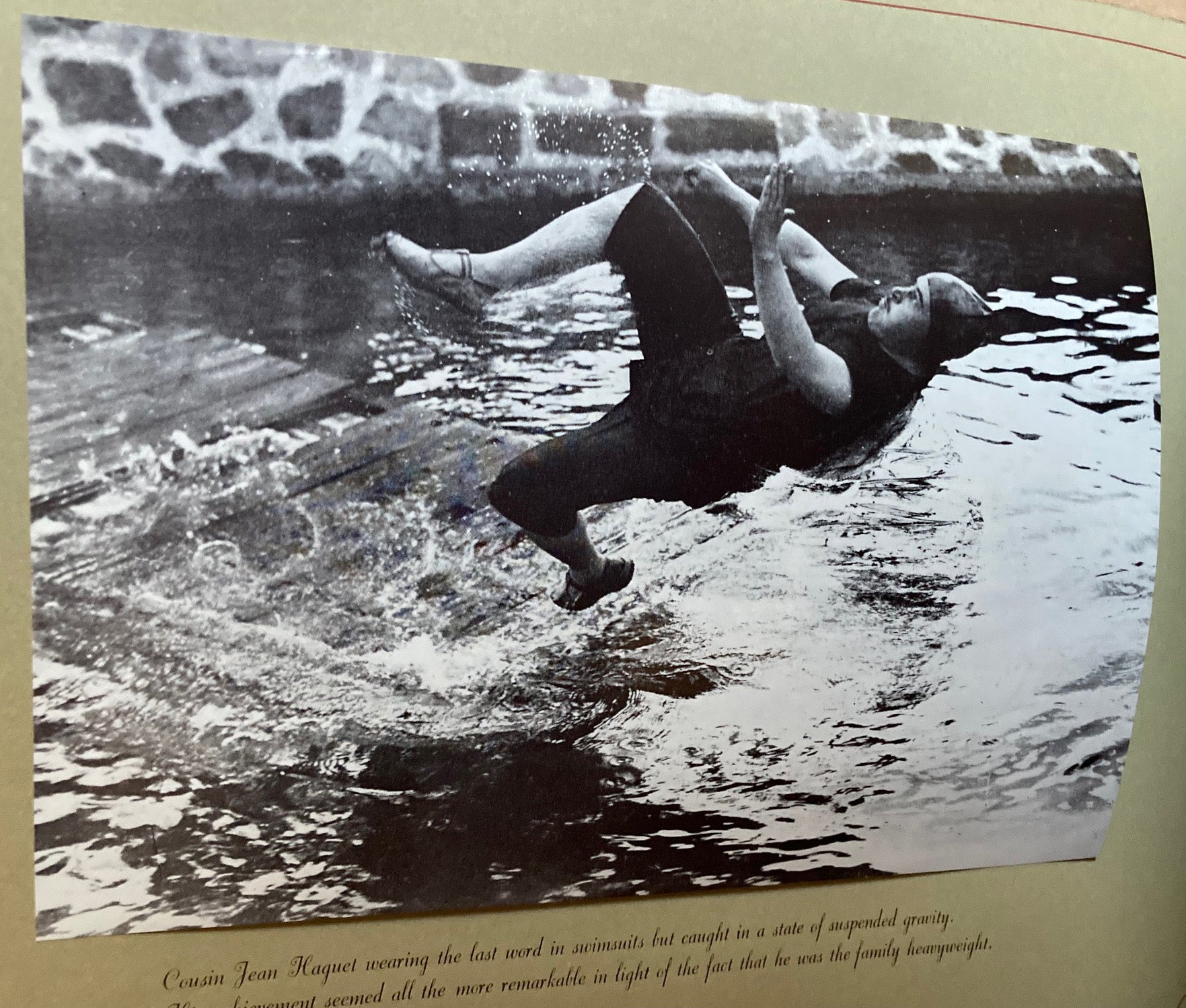
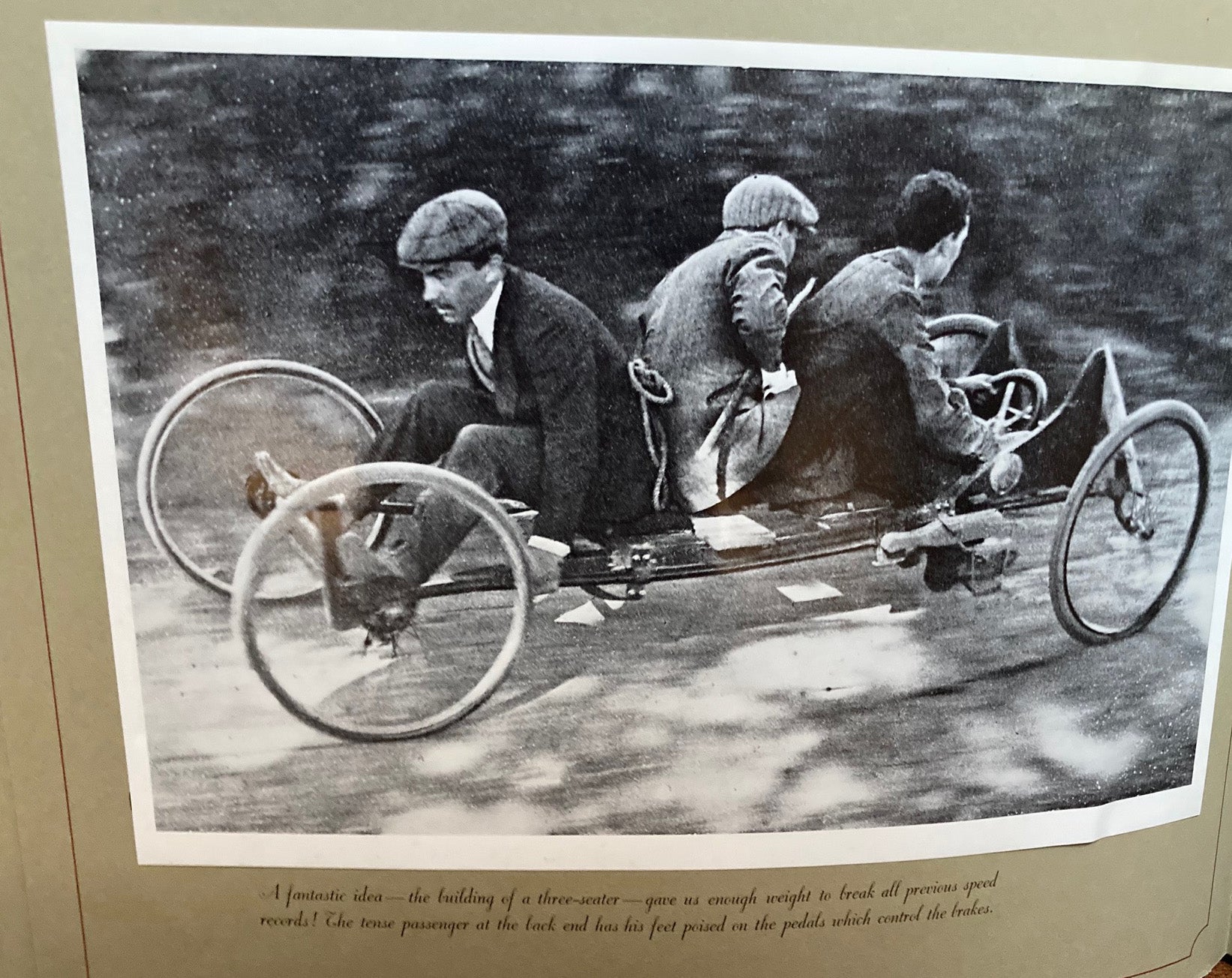
Ami Guichard, 1966. 1st edition. Printed in Switzerland. Text in English. Issued when Lartigue's remarkable stop action photos from his youth in the early 1900s became widely exhibited and reproduced by the Museum of Modern Art and other institutions. Lartigue's snapshots of family and friends engaged in an astonishing variety of sometimes dangerous stunts involving aircraft, race cars, bicycles, and water helped establish the standard for the collecting of vernacular photography that subsequently became popular. This 126-page hardcover, cloth-bound book with a photo of the photographer mounted on the front cover features heavy-weight pages with numerous tipped in half-tone photos and biographical texts about Lartigue and his wealthy family in Paris, France. Fine except cover photo has been rubbed. Very clean copy. A copy sold at the Photo-Eye book auction in 2006 for $210. Not to be confused with later reprints that include an ISBN number. Summary:
Published in 1966 by Ami Guichard, this first edition is a landmark in the history of photographic publishing. Often referred to as the "Lartigue Gold Book" due to its distinctive padded gold cloth cover and tipped-in photographs, it was instrumental in introducing the world to the "lost" childhood archives of Jacques-Henri Lartigue.
Core Concept: The Family Album
The book replicates the intimate feel of a personal scrap-book, capturing the life of a wealthy, eccentric French family during the Belle Époque (c. 1901–1915). What makes the work extraordinary is that most of these sophisticated images were taken when Lartigue was between the ages of seven and eighteen.
-
A Prodigy’s Eye: Lartigue did not set out to be an artist; he was a boy "capturing shadows" to preserve his own happiness. The book reveals his innate ability to freeze motion—something professional photographers of the era struggled to achieve.
-
The Gilded Age: It serves as a visual diary of a vanished world of leisure, featuring early motorcars, primitive flying machines, elegant women in enormous hats (the "Grandes Dames"), and the high-spirited antics of his older brother, Zissou.
Visual Style and Innovations
The photographs are celebrated for their spontaneity and joy, a sharp contrast to the stiff, formal portraiture common in the early 20th century.
-
Obsession with Speed: Lartigue was fascinated by everything that moved. The book includes his iconic shots of race cars—where the wheels appear as ovals due to the camera's rolling shutter—and family members leaping through the air or diving into water.
-
The "Private" Perspective: Because Lartigue was a child of the house, he had access to unposed, candid moments. His work captures the genuine thrill of the early industrial age without the pretense of social commentary.
Production and Significance
The 1966 Ami Guichard edition is highly prized by collectors for its unique tactile quality:
-
Tipped-in Plates: Rather than being printed directly onto the page, the photos are often individual plates glued (tipped) into the book, mimicking a real family album.
-
Richard Avedon’s Influence: While this specific edition was edited by Guichard, it followed closely on the heels of the 1963 MoMA exhibition curated by John Szarkowski, which propelled Lartigue from an obscure painter to a world-renowned photographic master whose reputation was bolstered by Richard Avedon.
Summary
Boyhood Photos of J.-H. Lartigue is more than a collection of pictures; it is a time capsule of pure wonder. It proved that some of the most sophisticated "modern" photography was created by a child who simply wanted to keep his favorite moments from disappearing.
"I have never taken a picture for any other reason than that of the pleasure of the moment." — Jacques-Henri Lartigue
Jacques-Henri Lartigue (1894–1986) was a French photographer and painter best known for his exuberant, spontaneous photographs that captured the glamour, innovation, and leisure of Belle Époque France. Gifted his first camera as a child in 1902, Lartigue began documenting his affluent family’s life, transforming personal snapshots into iconic images of early automobiles, aviation experiments, stylish women, and dynamic motion. Though he considered himself primarily a painter throughout his life, his vast photographic visual diary gained international renown in 1963 when a retrospective at the Museum of Modern Art in New York unveiled his youthful work to the public, instantly establishing him as a master of modern photography and a pioneer of the candid snapshot aesthetic.