Gary Saretzky Photo Books
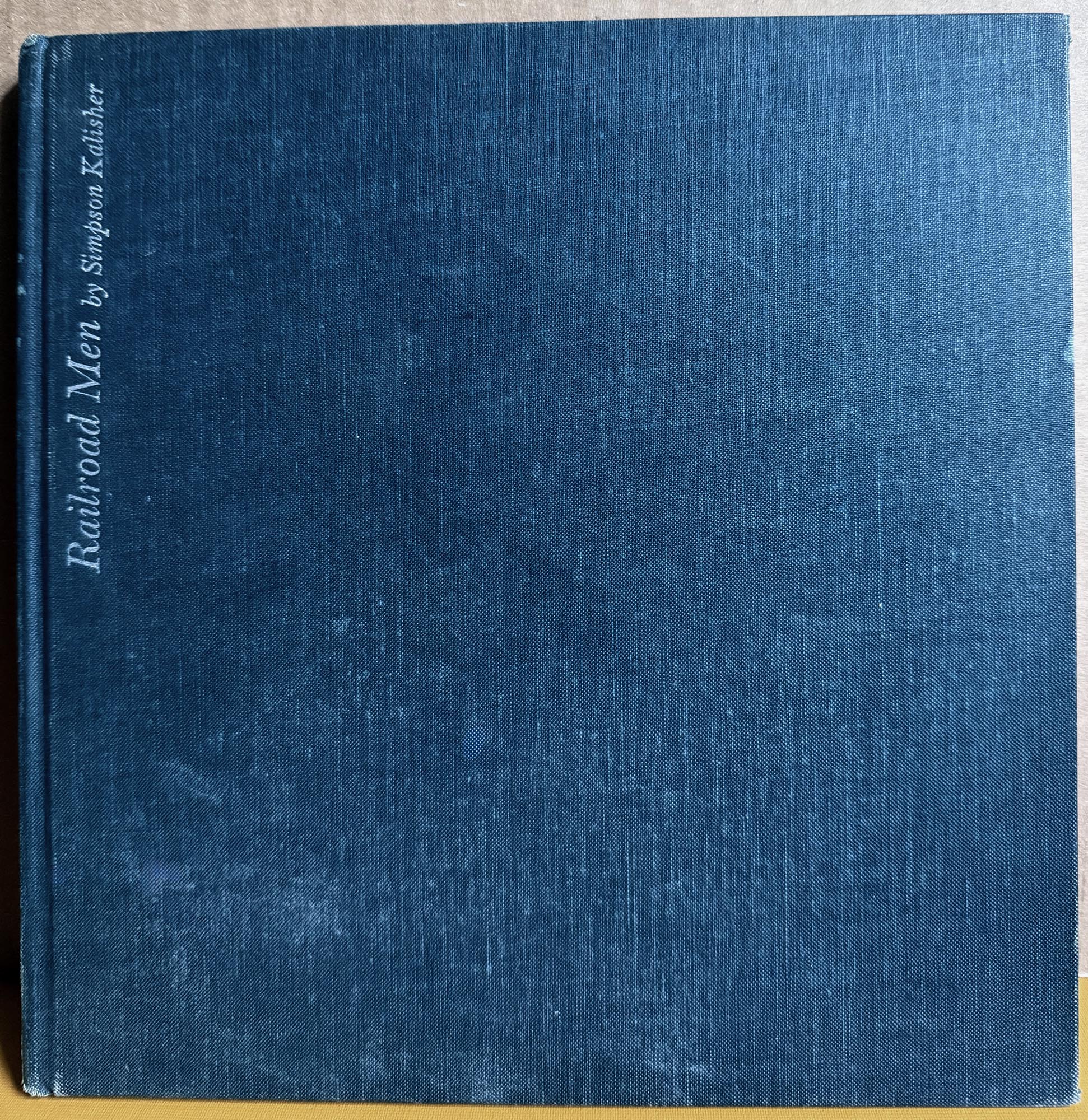
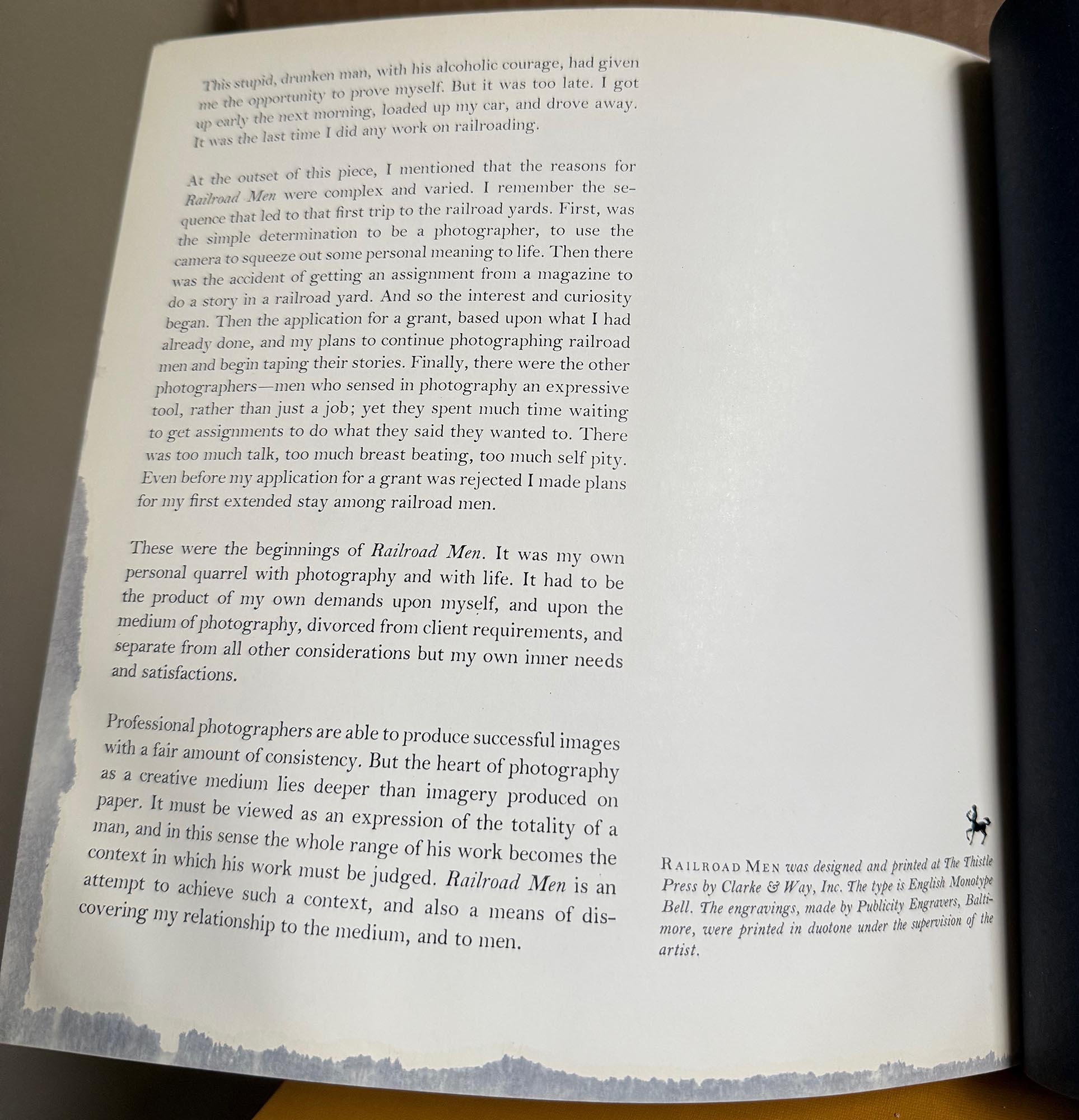
Kalisher, Simpson. Railroad Men: A Book of Photographs and Collected Stories by Simpson Kalisher.
Kalisher, Simpson. Railroad Men: A Book of Photographs and Collected Stories by Simpson Kalisher.
Impossible de charger la disponibilité du service de retrait
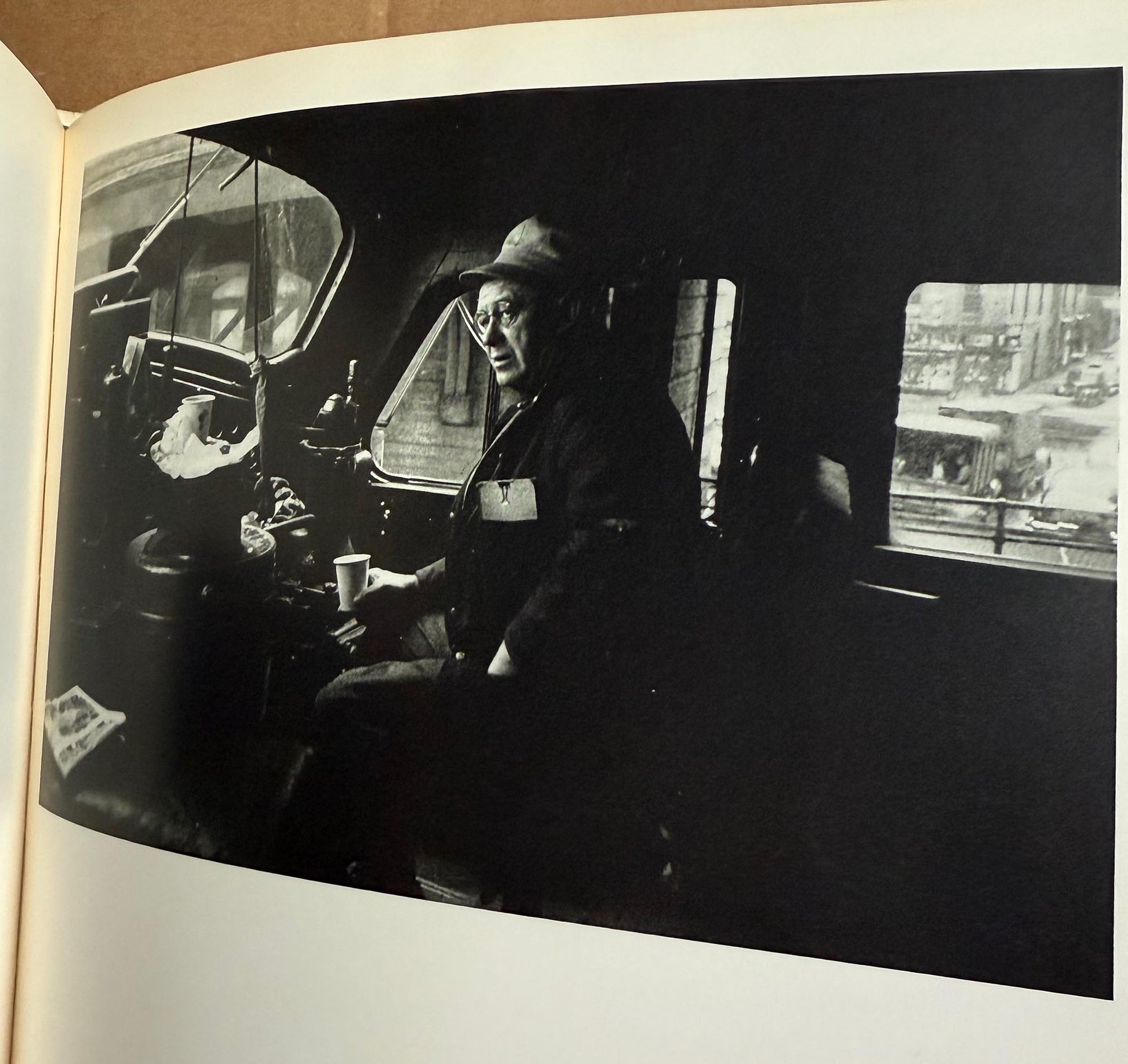
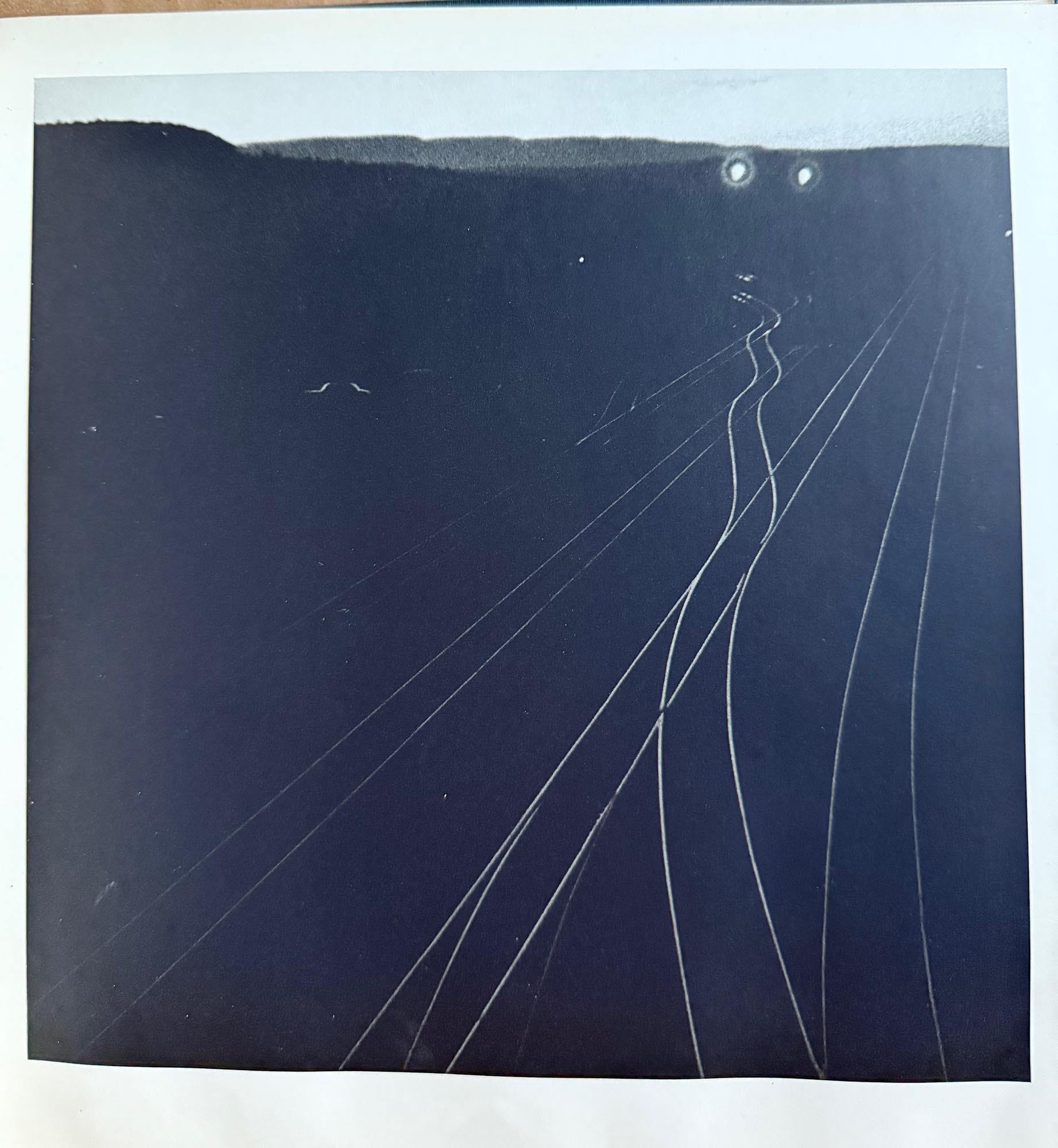
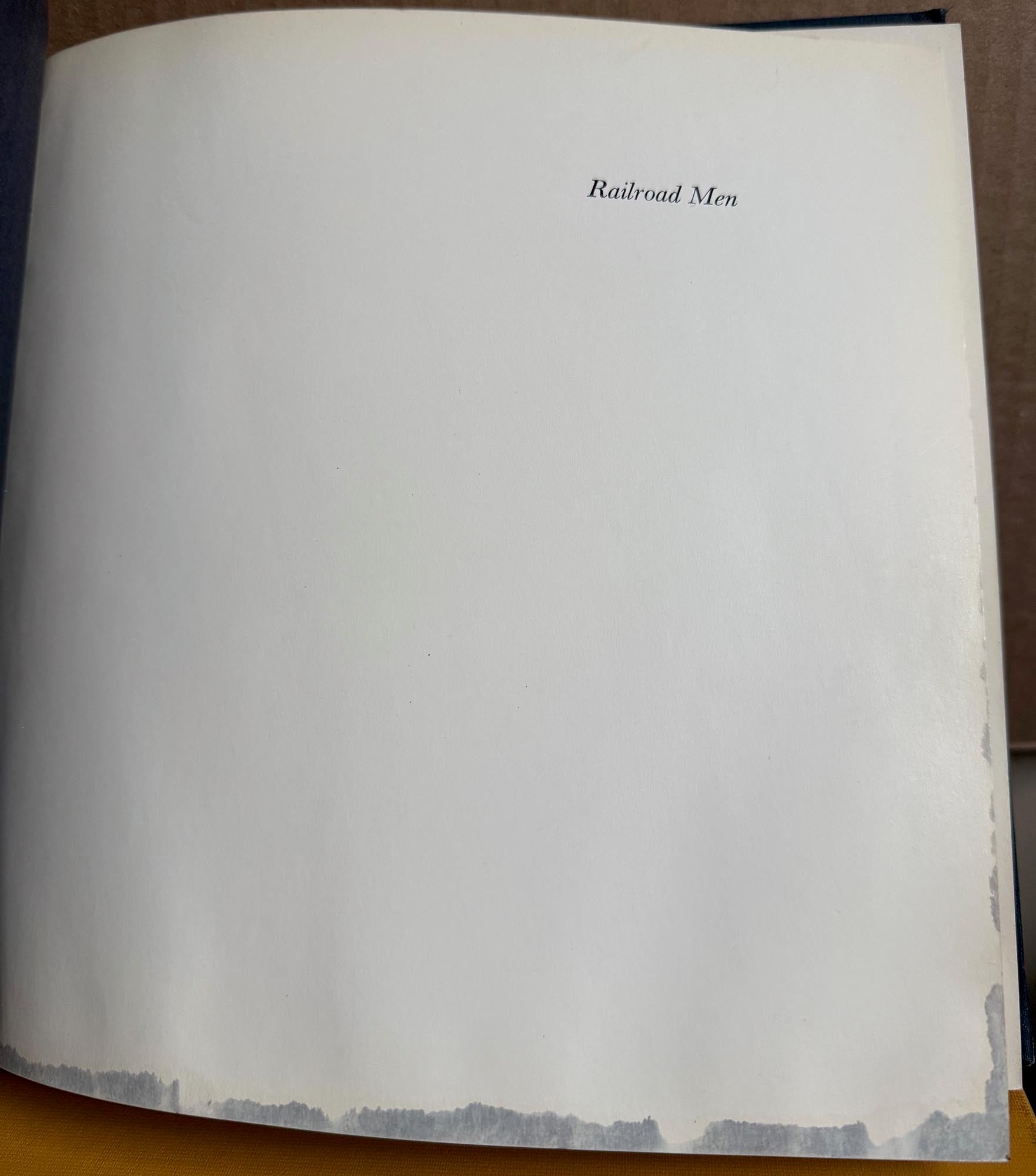
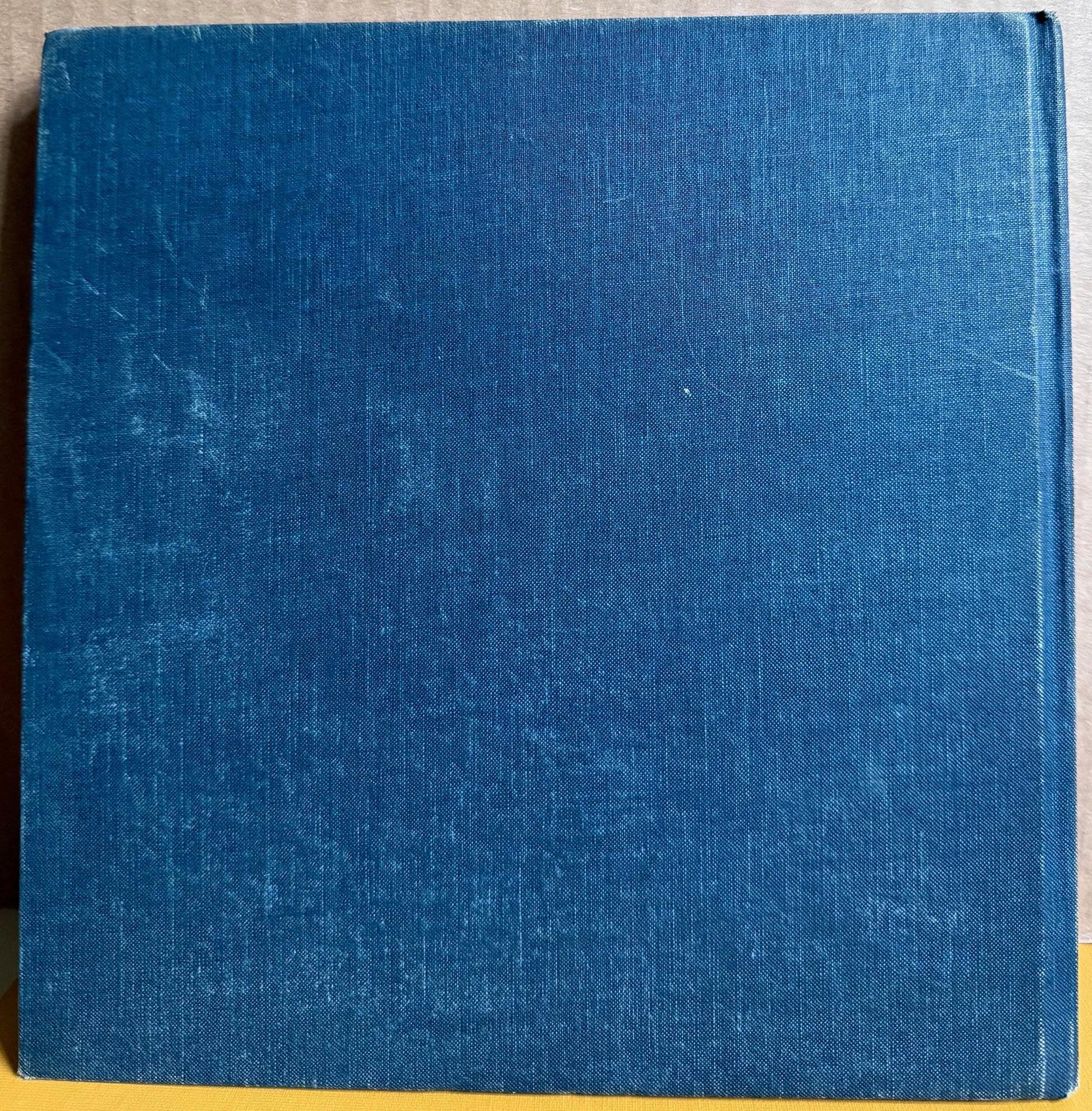
Clarke & Way, 1962. Dark blue cloth, spine lettering worn, first and last pages stained at bottom transferred from adjacent black flyleaves (see photos). Other pages without stains. More than 40 photos of railroad workers at work and leisure, plus a few railroad scenes. No dust jacket. Jonathan Williams commented on Railroad Men, “I know of no book since Wright Morris' The Inhabitants that gives us more of the honesty of a group of people.” Summary:
Railroad Men: A Book of Photographs and Collected Stories by Simpson Kalisher (first published 1961) is a photo‑literary documentary project that offers an immersive, human‑centered look at American railroad workers during a period when the industry was in decline. The book combines black‑and‑white photographs with first‑person oral narratives to paint a vivid portrait of the men—and the culture—of railroading in the mid‑20th century.
Kalisher undertook the project after a magazine assignment about railroads went unpublished. He funded the work himself, traveling to railway yards and spending extended time with crews on the job. Equipped with a Leica camera and a tape recorder, he photographed men at work in freight yards and along tracks in states such as New York, Pennsylvania, and Indiana, while also recording conversations, memories, and stories in their own words.
The result is an 83‑page volume organized around 44 duotone photographic plates and 24 collected “yarns”—vernacular, personal accounts that reflect the labor, camaraderie, and lore of railroading life. Kalisher’s photographs capture scenes of men alongside locomotives, repairing tracks, waiting between shifts, or simply existing in the industrial spaces where they worked, emphasizing dignity, personality, and lived experience over romanticized imagery.
An introduction by Jonathan Williams frames the project as a blend of visual documentary and social narrative, and the book’s structure allows the photographs and stories to inform and deepen one another, creating a rhythmic interplay between image and voice. Reviewers at the time noted its realistic, sometimes stark evocation of an “elderly industry”and observed that Kalisher’s immersive approach allowed him to delve beyond surface appearances into the character and spirit of the railroad men themselves.
Overall, Railroad Men stands as a unique hybrid of documentary photography and oral history, offering a compassionate record of a workforce and a way of life that was already fading from the American landscape—a project rooted in respect for individual stories and a desire to blend visual observation with narrative depth.
Simpson Kalisher (1926–2023) was an American street photographer and photojournalist celebrated for his candid, empathetic visual chronicles of mid-20th-century urban life. Born in the Bronx, New York, he served in the U.S. Army during World War II before earning a history degree from Indiana University and launching a successful career as a freelance commercial photographer. Alongside his commercial commissions, Kalisher roamed city streets capturing the humor, alienation, and social grit of postwar America. He gained widespread acclaim for his landmark 1961 photo book Railroad Men: A Book of Photographs and Collected Stories, which combined gritty duotone portraits with audio interviews to document railway workers during the decline of American train travel. His work was featured in major Museum of Modern Art exhibitions—including Edward Steichen’s The Family of Man (1955) and John Szarkowski’s Mirrors and Windows (1978)—and published in later monographs such as Propaganda and Other Photographs (1976) and The Alienated Photographer (2011), cementing his legacy as a vital observer of mid-century American culture.


