Gary Saretzky Photo Books
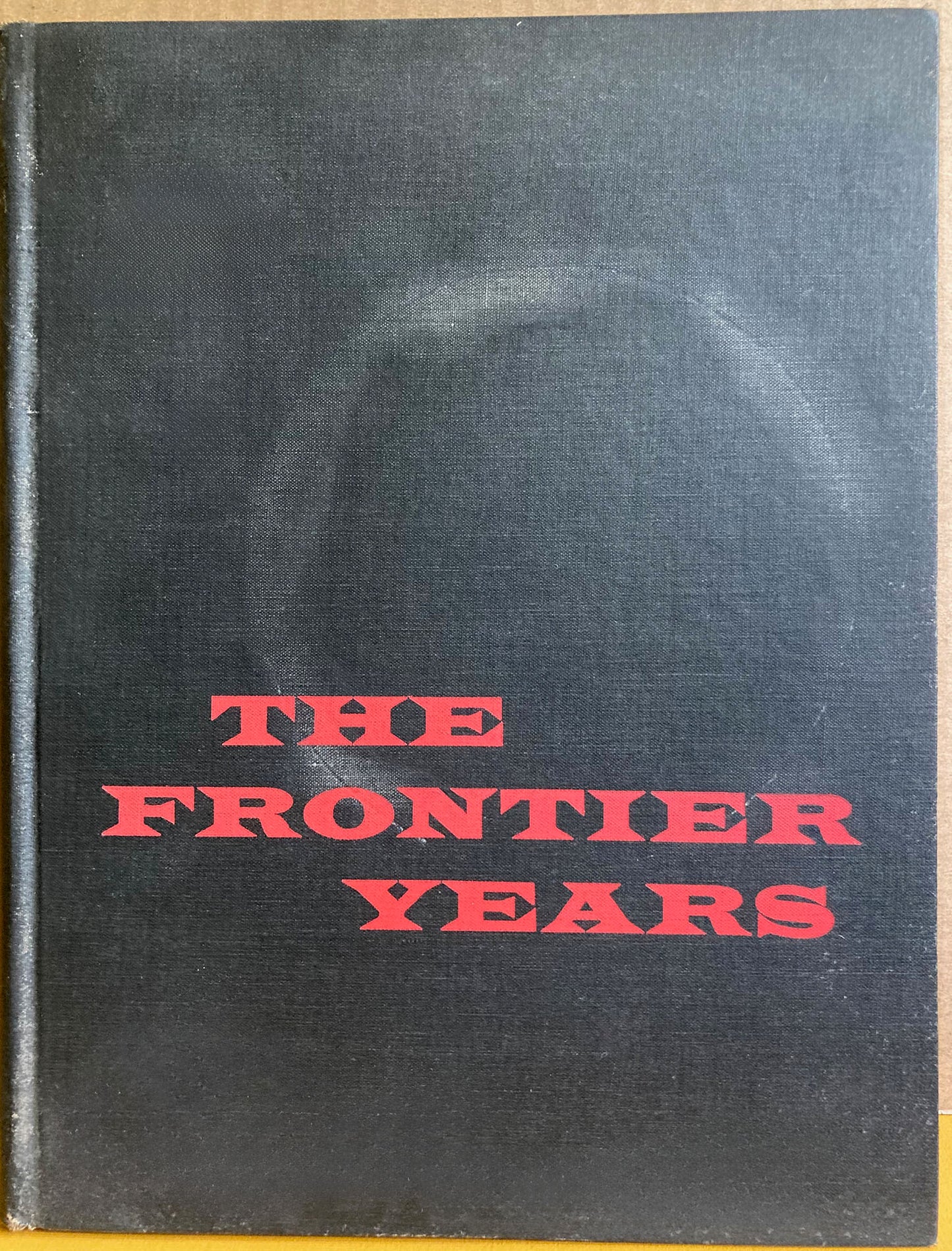
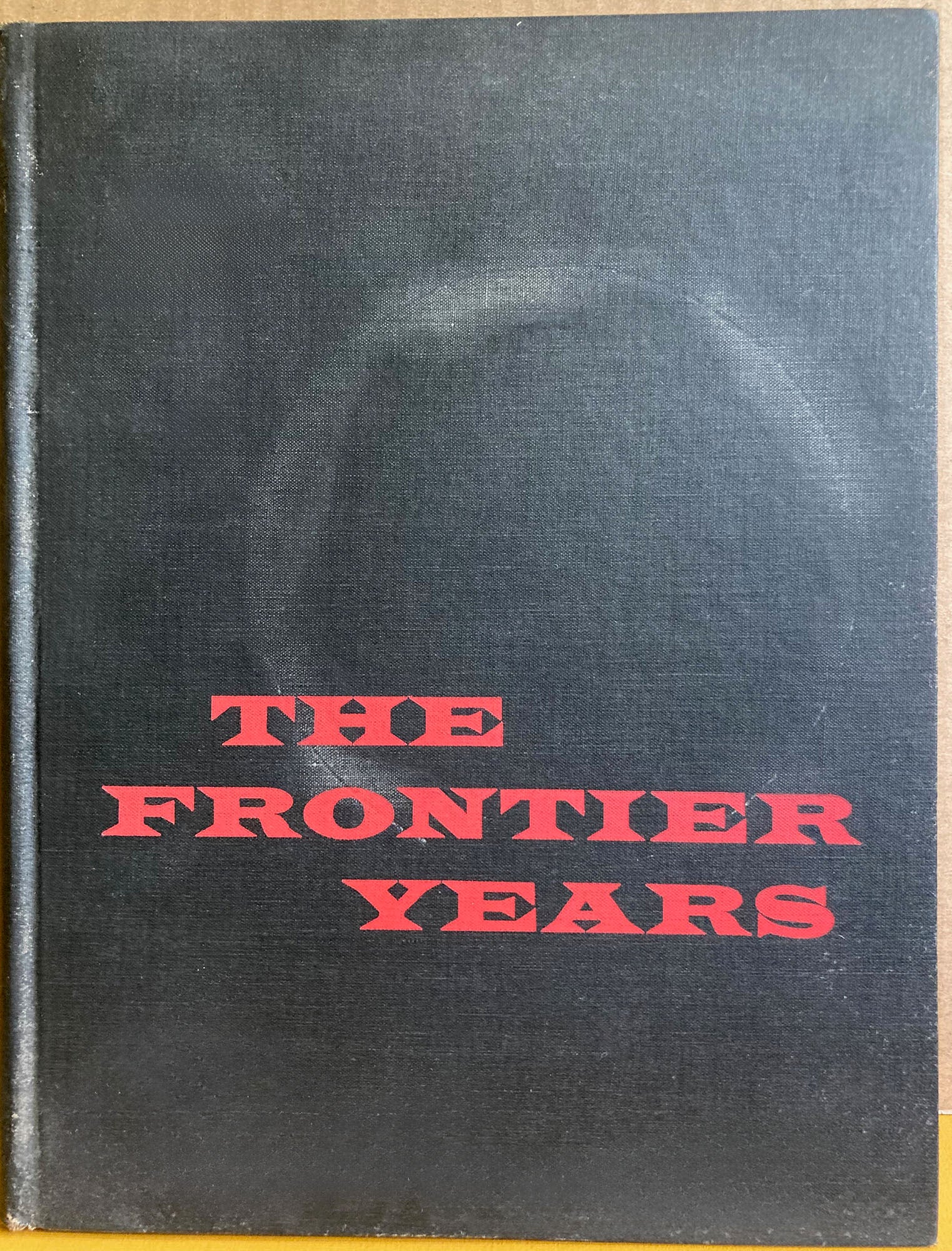
Huffman, L.A. The Frontier Years: L.A. Huffman, Photographer of the Plains by Mark H. Brown and W.R. Felton.
Huffman, L.A. The Frontier Years: L.A. Huffman, Photographer of the Plains by Mark H. Brown and W.R. Felton.
Impossible de charger la disponibilité du service de retrait
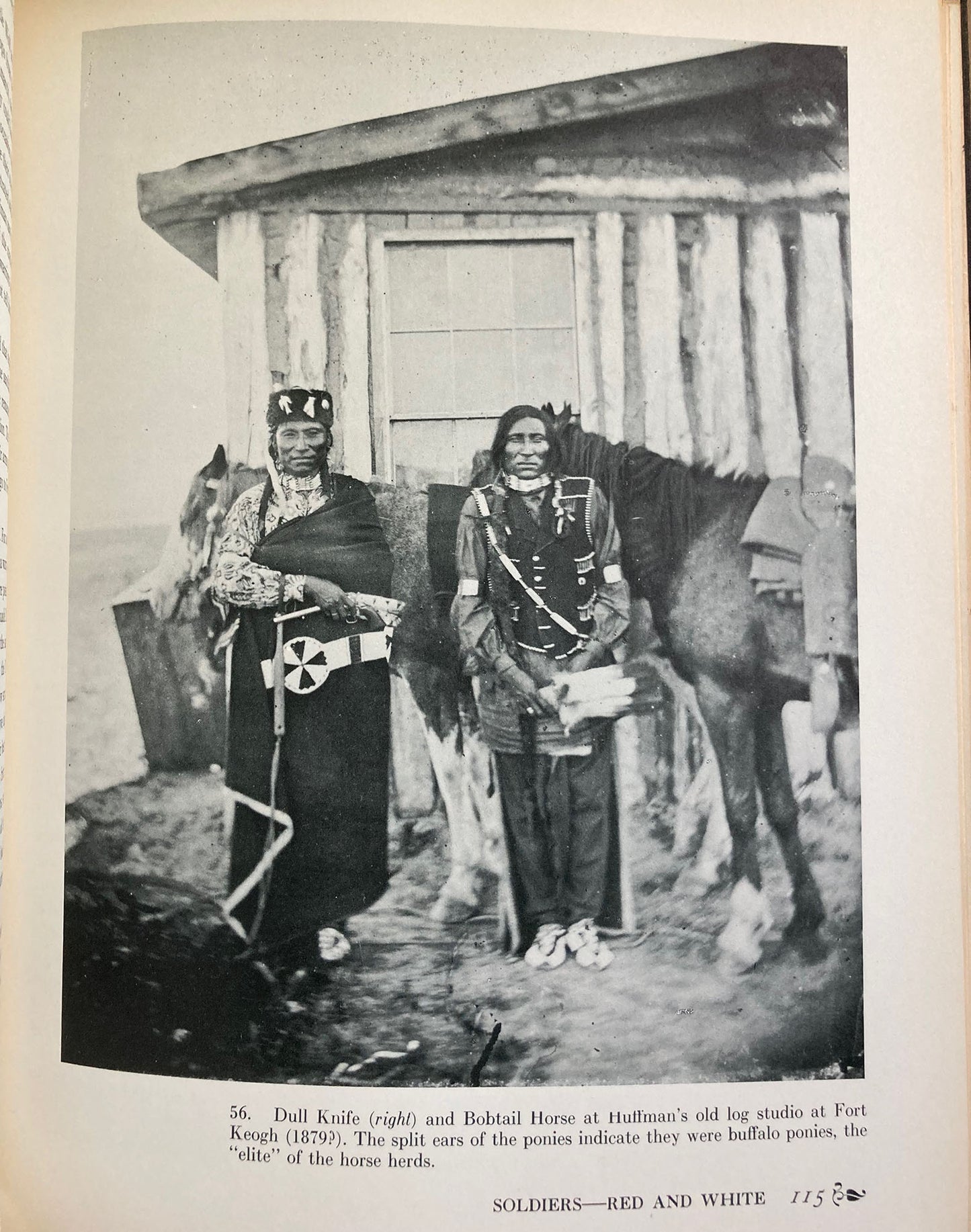
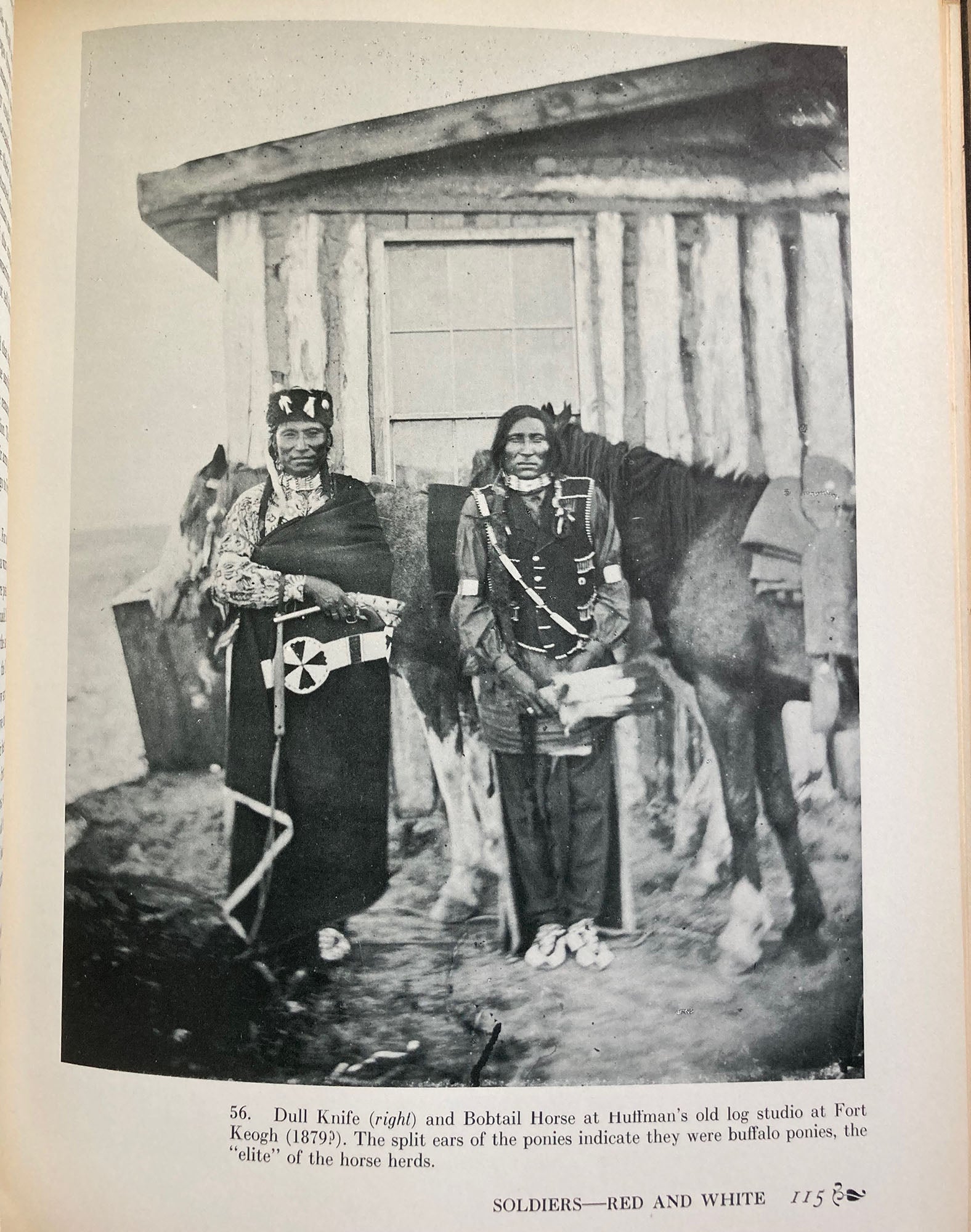
Henry Holt, 1955. Black cloth with red imprint, no later printings indicated, lacks dust jacket. Near very good with a circular mark on front cover, triangular mark on rear, and wear at spine tips. (Looks better in person than in photos below.) 272 pages. Maps on end papers. 124 black and white photographs of the Old West with explanatory notes at back. Extensive biographical information with bibliography on this important pioneer photographer, Laton Alton Huffman, born October 31, 1854, who had a studios in Fort Keogh and Milestown, Montana. Includes photographs of the battlefield at Little Bighorn where Custer died and of Native American witnesses. Many photos included of frontier towns, buffalo hunting, and people, including American Indians, among them Mandan, Cheyenne, Sioux, and their homes. Summary:
The Frontier Years: L.A. Huffman, Photographer of the Plains (1955) is a seminal work of Western Americana that preserves the visual history of the Montana Territory during its most volatile transition. Authors Mark H. Brown and W.R. Felton utilized the extensive collection of Laton Alton Huffman, a post photographer at Fort Keogh, to document the end of the "Old West."
Core Themes and Content
-
The Vanishing Frontier: Huffman arrived in Montana in 1878, just as the great buffalo herds were being decimated and the Native American tribes were being forced onto reservations. His photos capture the raw, unglamorized reality of this shift.
-
Life of the Cowboy: Unlike the "Hollywood" version of the West, Huffman’s images depict the grueling daily labor of the open-range cattle industry—the dusty roundups, the mess wagons, and the authentic gear of the early buckaroo.
-
Indigenous Portraits: The book features hauntingly beautiful portraits of Cheyenne and Sioux leaders and families. Huffman’s rapport with his subjects allowed him to capture a sense of humanity and stoicism during a period of immense cultural trauma.
Technical and Historical Significance
-
The "Camera on Horseback": Huffman was an innovator who took his heavy, large-format equipment into the field under extreme conditions. He often used a "snapshot" approach decades before it was common, capturing motion and candid moments that formal studio photographers avoided.
-
Primary Source Value: Because Huffman was a participant in the life he photographed, the book serves as a primary ethnographic and historical record. Brown’s text provides deep context, using Huffman’s own letters and journals to narrate the images.
- Laton Alton "L.A." Huffman (1854–1931) was an influential American photographer best known for documenting the rapidly vanishing frontier of the Northern Great Plains. Born in Iowa, where he learned photography from his father, Huffman moved to the Montana Territory in 1879 to serve as the civilian post photographer at Fort Keogh near Miles City. Carrying heavy, often custom-built camera gear on horseback, he captured candid action shots of frontier life, including hide hunters during the final extermination of the buffalo, open-range cattle drives, and the daily life of the Northern Cheyenne and Sioux. His extensive visual record of cowboys, Native American communities, and early town life—later distributed through prints, postcards, and collotypes—remains one of the most historically significant photographic archives of the American West.