Gary Saretzky Photo Books
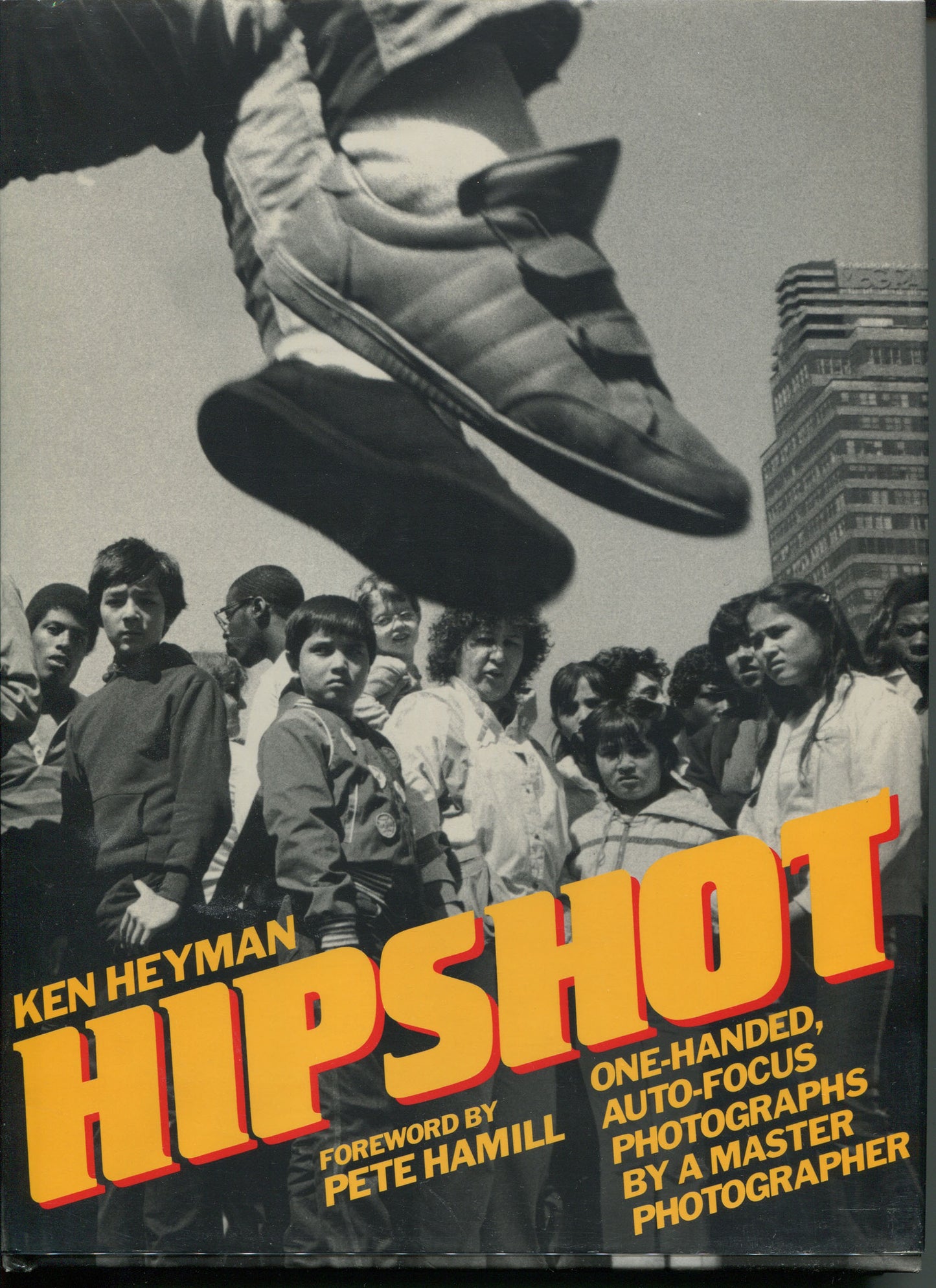
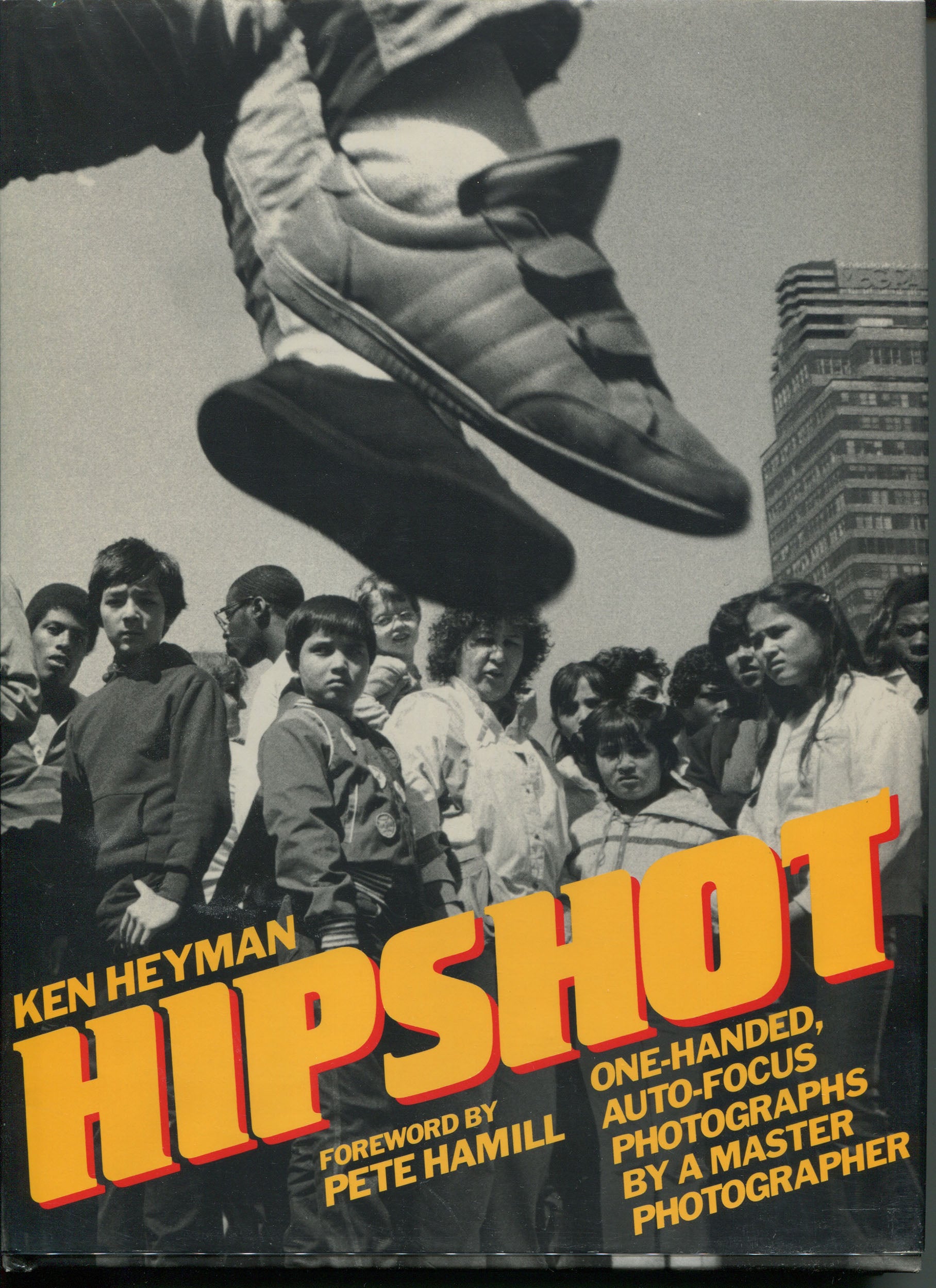
Heyman, Ken. Hipshot. One-Handed, Auto-Focus Photographs by a Master Photographer. By Ken Heyman.
Heyman, Ken. Hipshot. One-Handed, Auto-Focus Photographs by a Master Photographer. By Ken Heyman.
Impossible de charger la disponibilité du service de retrait
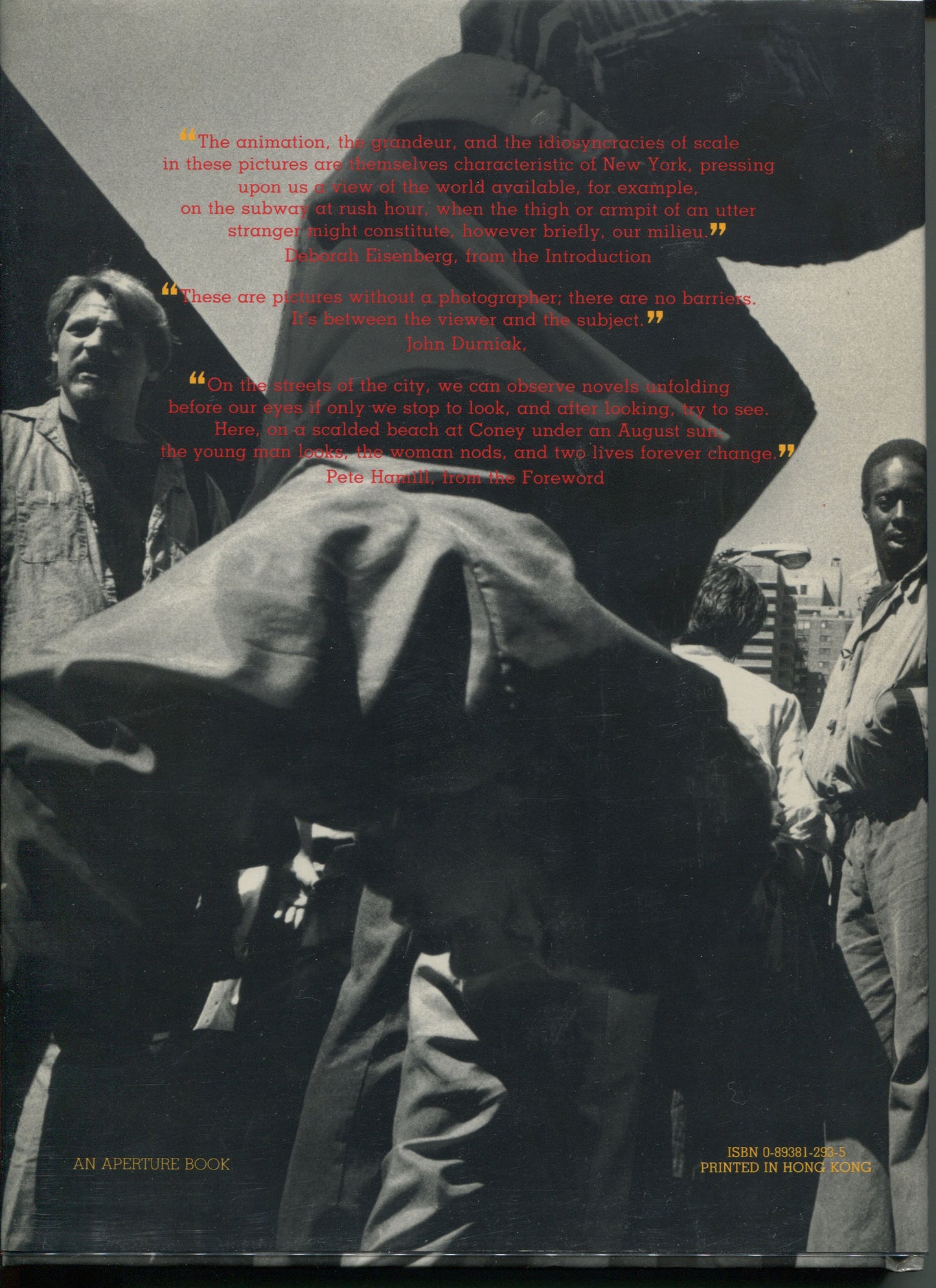
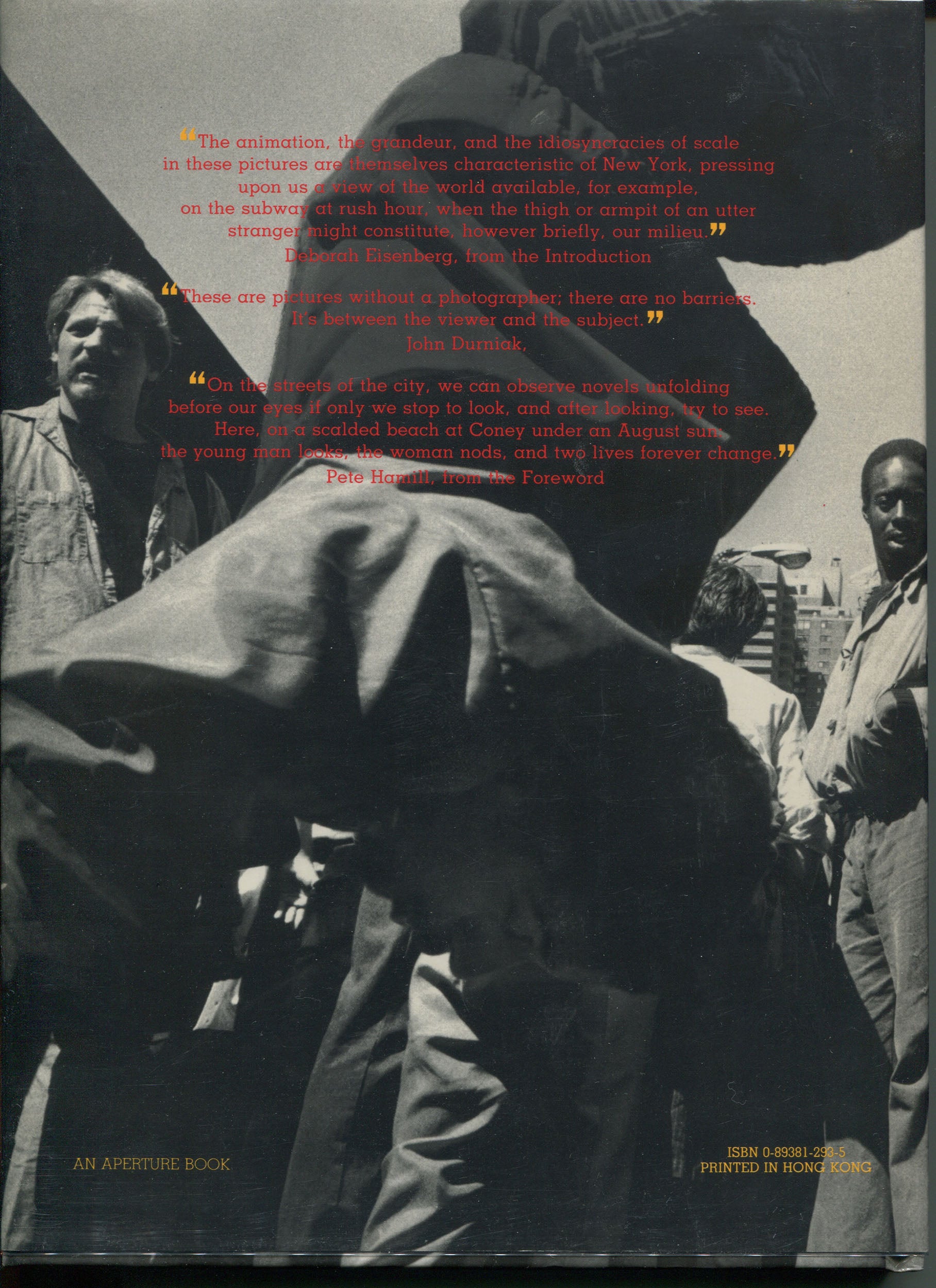
Aperture, 1988. Introduction by Deborah Eisenberg. Foreword by Pete Hamill. Afterword by Heyman. First edition (unstated), fine hard cover in illustrated boards with fine protected dust jacket. Like new. Candid street and beach photography in black-and-white by Heyman taken in New York City in 1984–1985. Summary:
Hipshot: One-Handed, Auto-Focus Photographs by a Master Photographer (1988) by Ken Heyman is a groundbreaking study in candid street photography. It chronicles Heyman’s experimental departure from traditional viewfinder composition, utilizing the then-emerging technology of high-speed auto-focus cameras to capture "un-staged" life from the hip—literally and figuratively.
Core Themes and Methodology
-
The "Invisible" Photographer: Heyman, a former student of anthropologist Margaret Mead, sought to eliminate the "observer effect." By shooting with one hand at waist level (a "hipshot") without looking through the lens, he captured subjects who were unaware they were being photographed, resulting in a raw, un-posed realism.
-
Embracing Technological "Accident": The book celebrates the early 1980s auto-focus revolution. Heyman leaned into the "choices" made by the camera’s internal logic, finding beauty in unusual crops, blurred movement, and the democratic chaos of the urban street.
-
The Anthropological Eye: The images are less about individual portraits and more about the "flow" of human interaction—the way people lean, walk, and occupy space in cities like New York, Tokyo, and Paris.
Visual and Technical Style
-
Dynamic Perspective: Because the camera is held at hip level, the perspective is lower than eye-level, giving the subjects a monumental, almost heroic physical presence.
-
The "Raw" Finish: Unlike the meticulous "Fine Print" of photographers like Ansel Adams, Heyman’s images often feature "rough" edges—motion blur, tilted horizons, and overlapping figures. This creates a high-energy, cinematic "finish" that feels immediate and modern.
- Ken Heyman (1930–2019) was a versatile American photojournalist and author whose humanistic documentary work captured interpersonal relationships, world cultures, and key figures of 20th-century history. Born in New York City, Heyman developed his photographic career while attending Columbia University, where he became a student and lifelong friend of renowned cultural anthropologist Margaret Mead. Their fruitful two-decade collaboration began with a field trip to Bali in 1956 and produced co-authored books such as Family (1965) and World Enough (1976), reflecting Mead's observation that "Ken photographs relationships." A member of Magnum Photos who completed over 150 assignments for Life magazine, Heyman documented subjects across more than 60 countries, published over 40 photobooks—including works with President Lyndon B. Johnson (This America) and musician Leonard Bernstein—and captured iconic pop art and celebrity portraits, leaving behind a legacy preserved in major public collections such as the Museum of Modern Art and the Metropolitan Museum of Art.