Gary Saretzky Photo Books
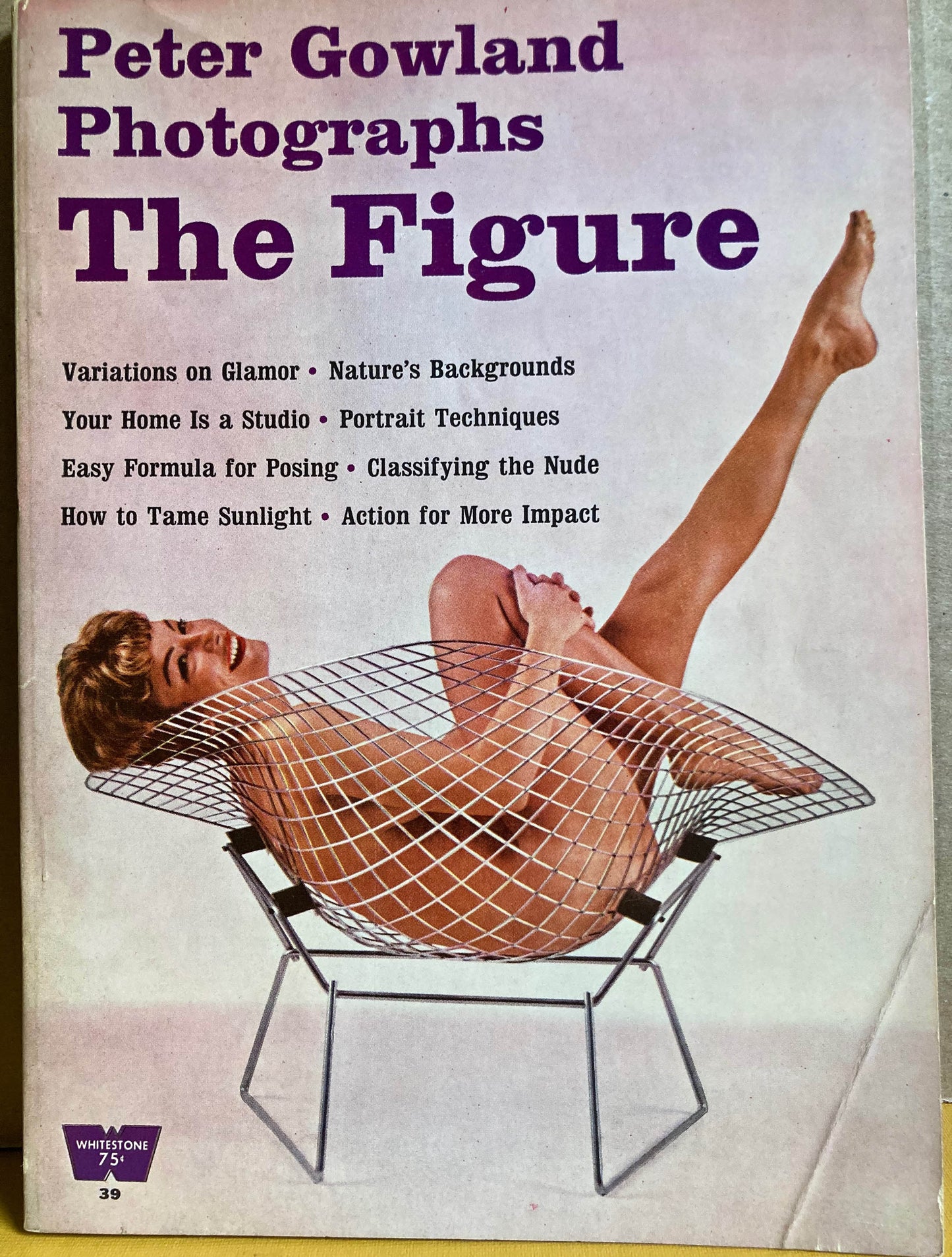
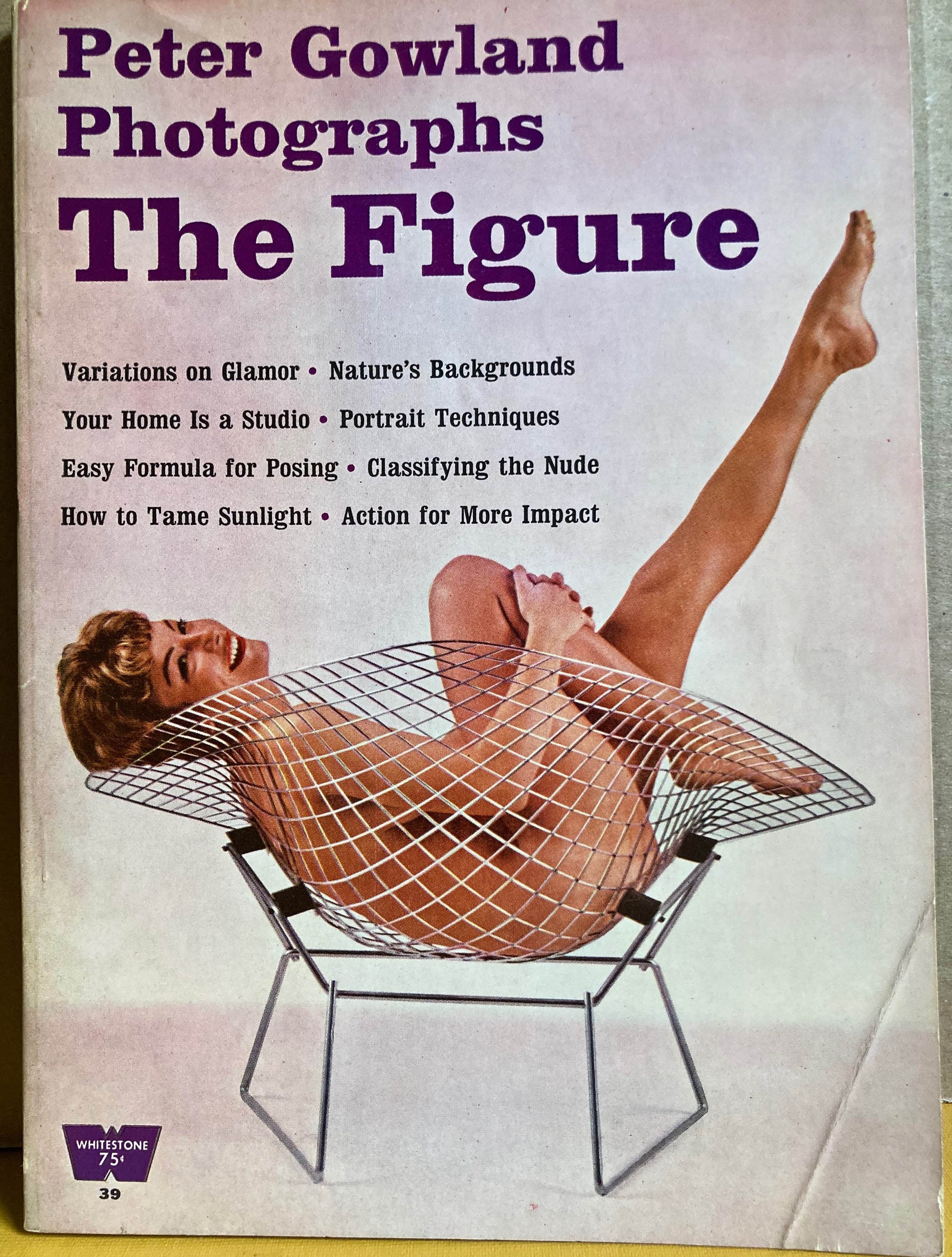
Gowland, Peter. Peter Gowland Photographs The Figure. Whitestone Book No. 39.
Gowland, Peter. Peter Gowland Photographs The Figure. Whitestone Book No. 39.
Impossible de charger la disponibilité du service de retrait
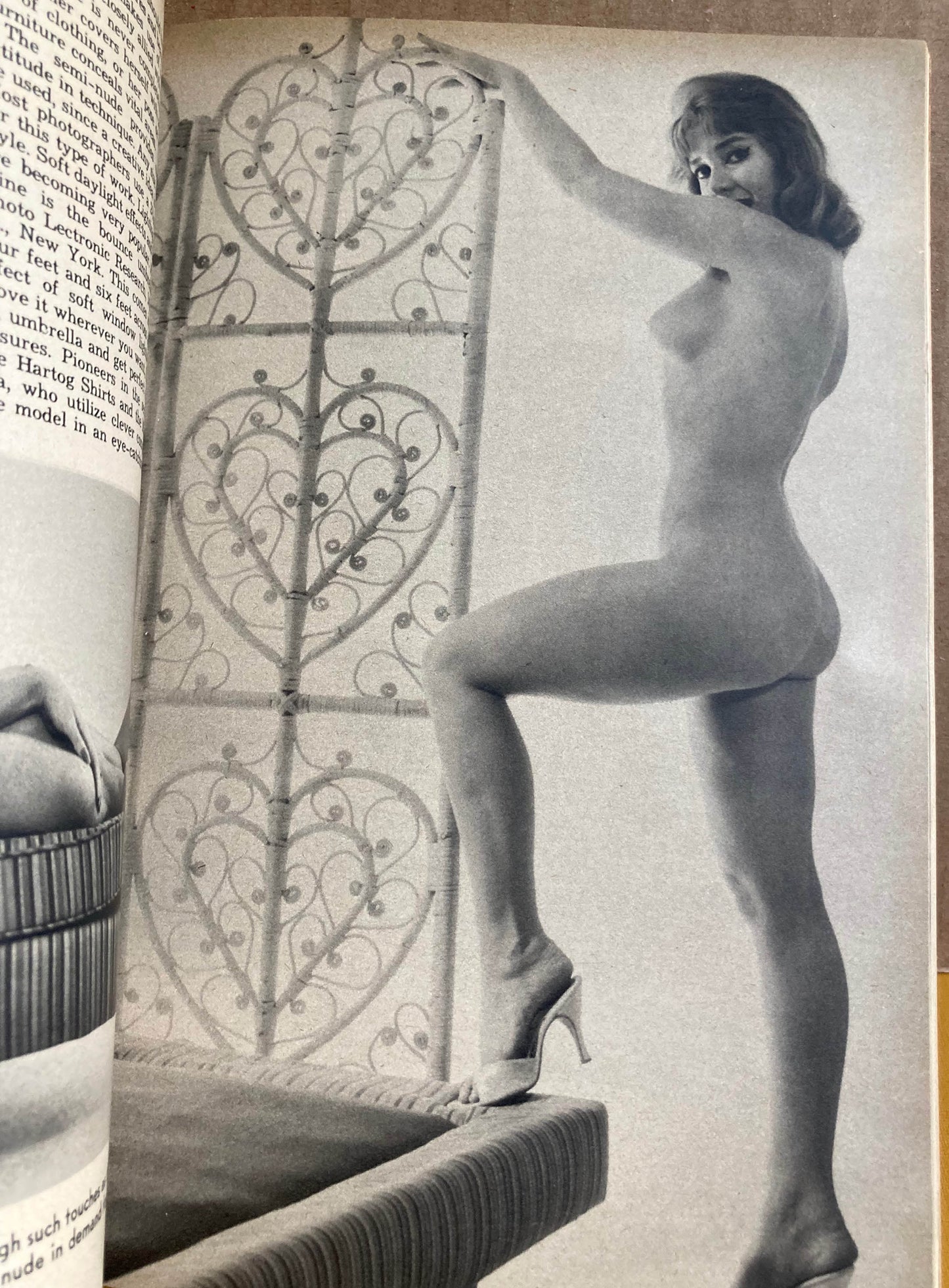
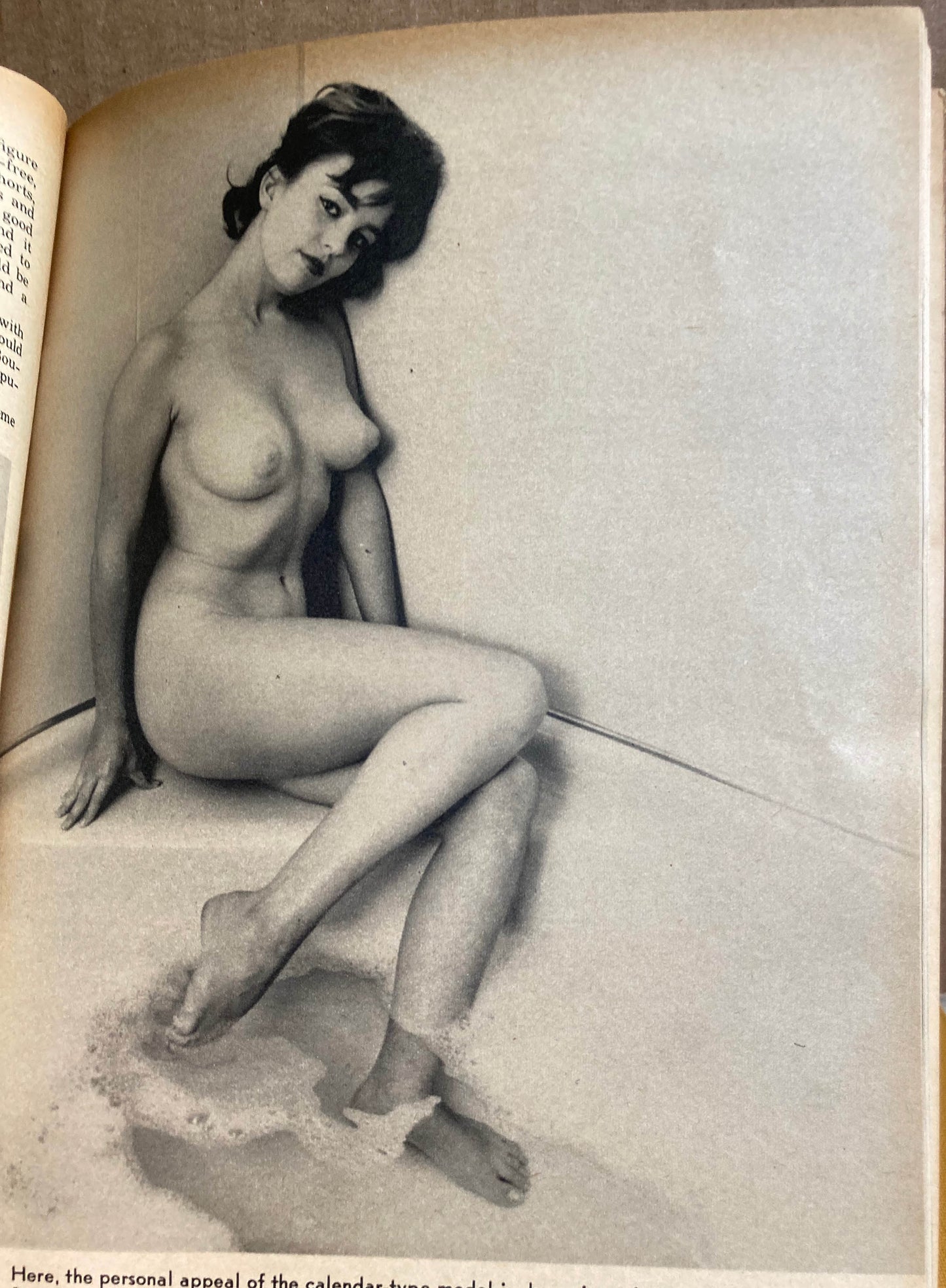
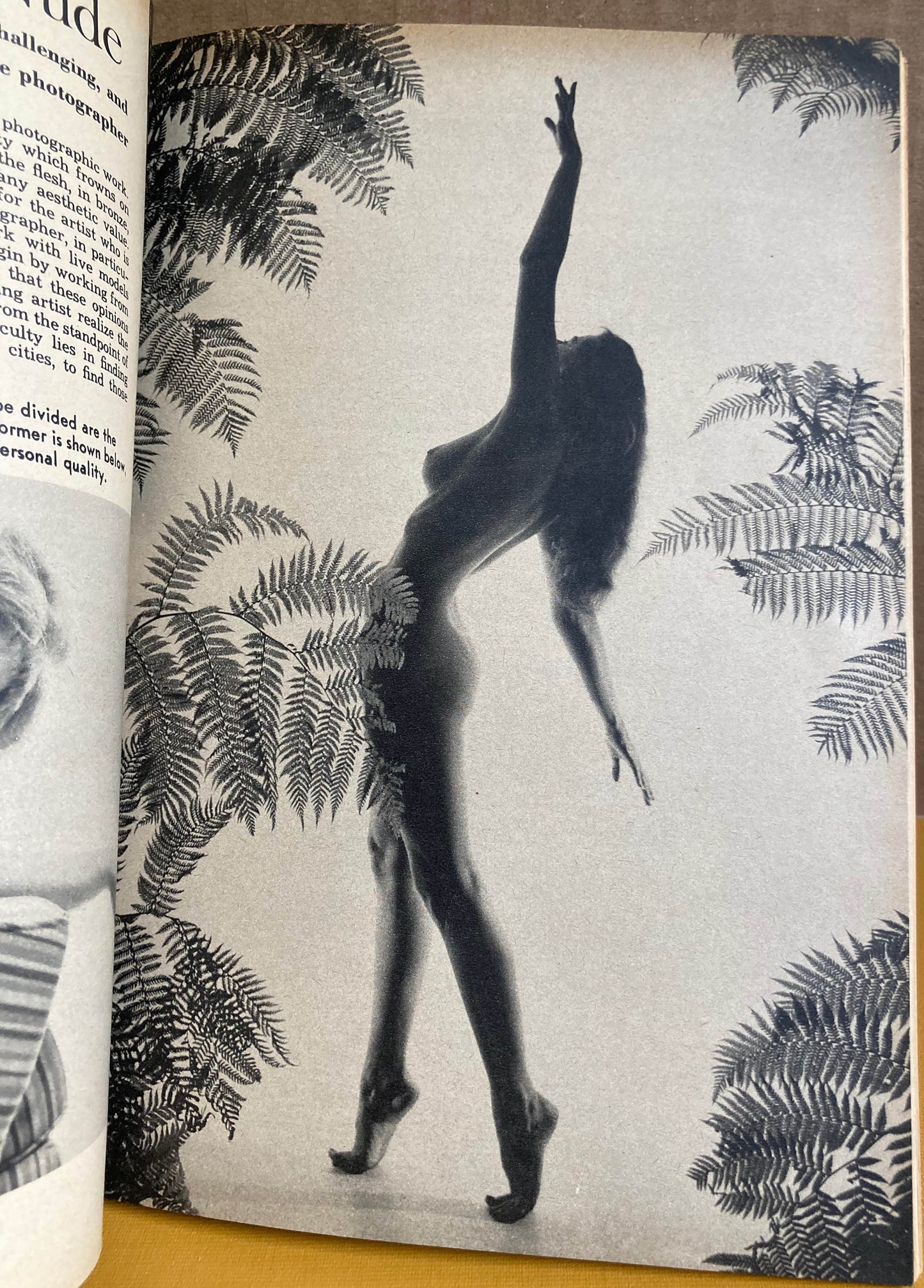
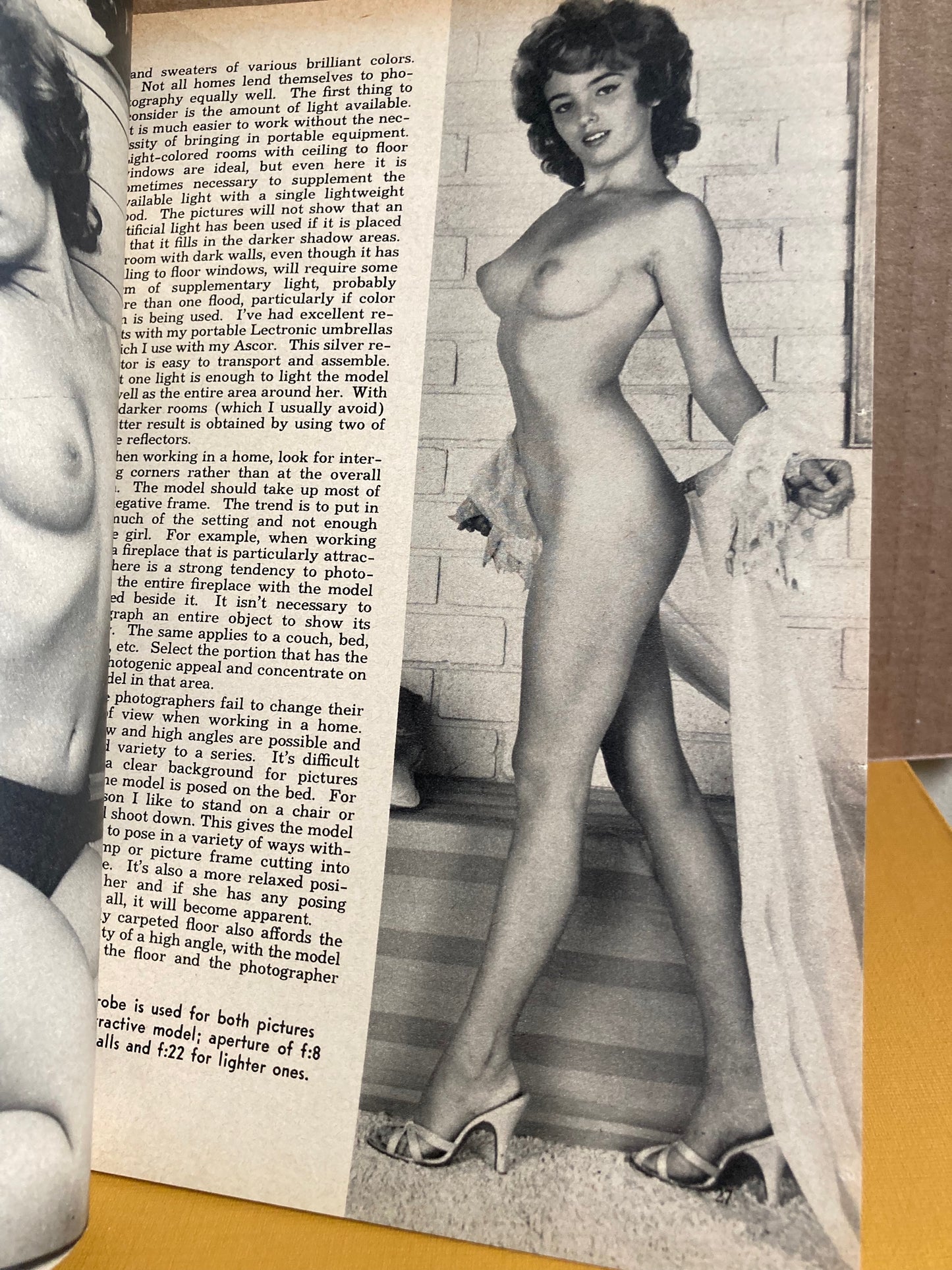
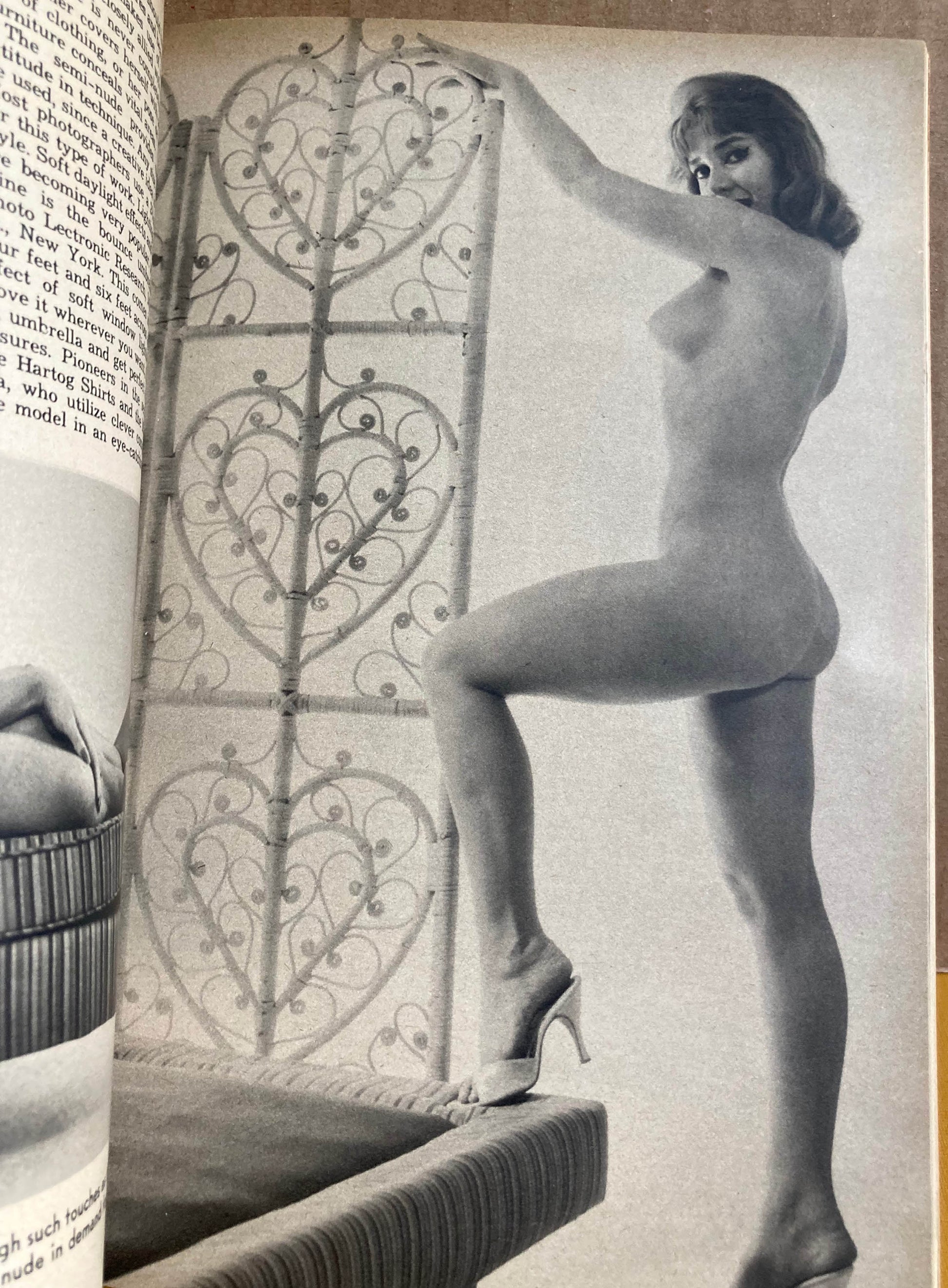
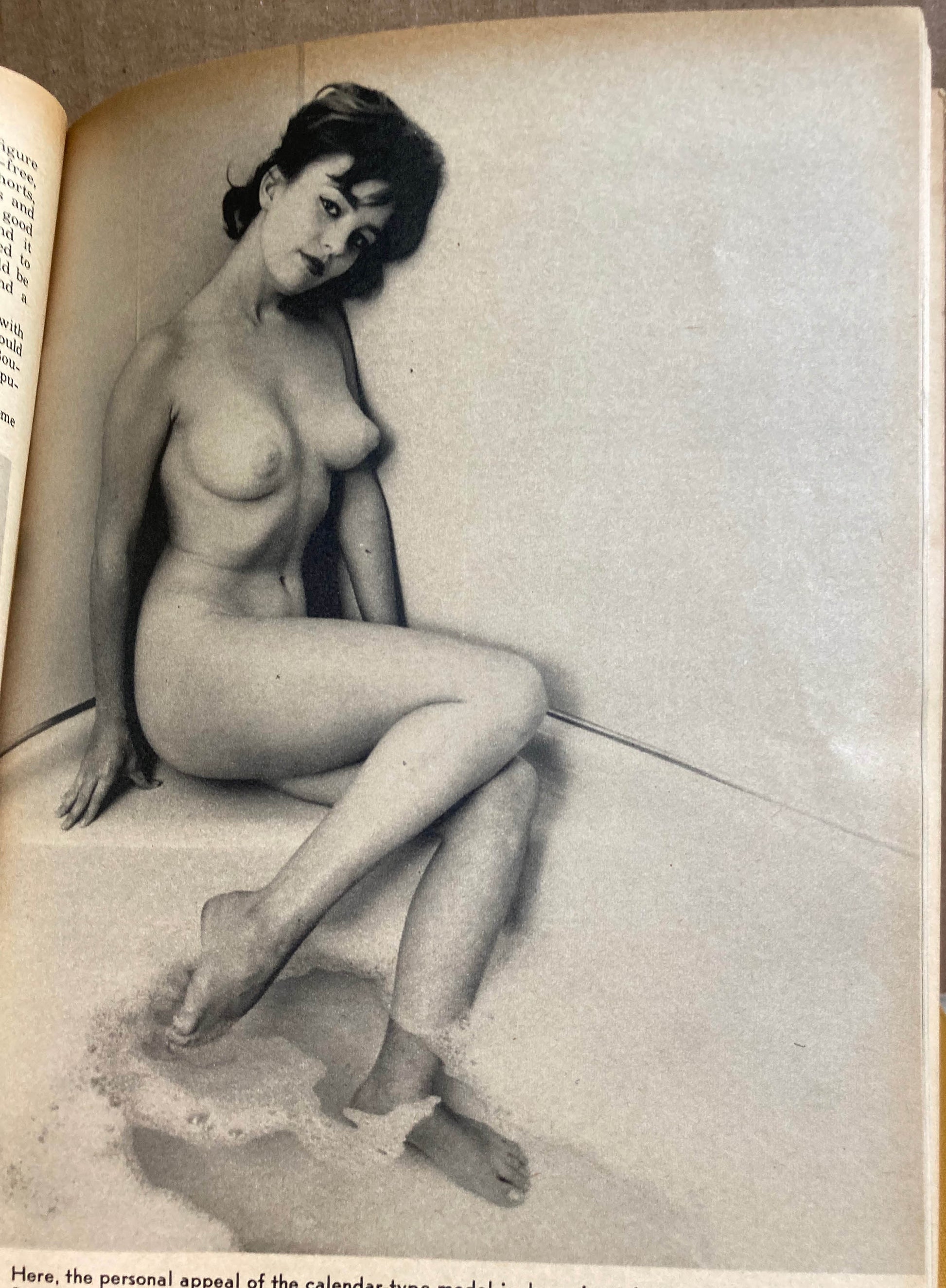
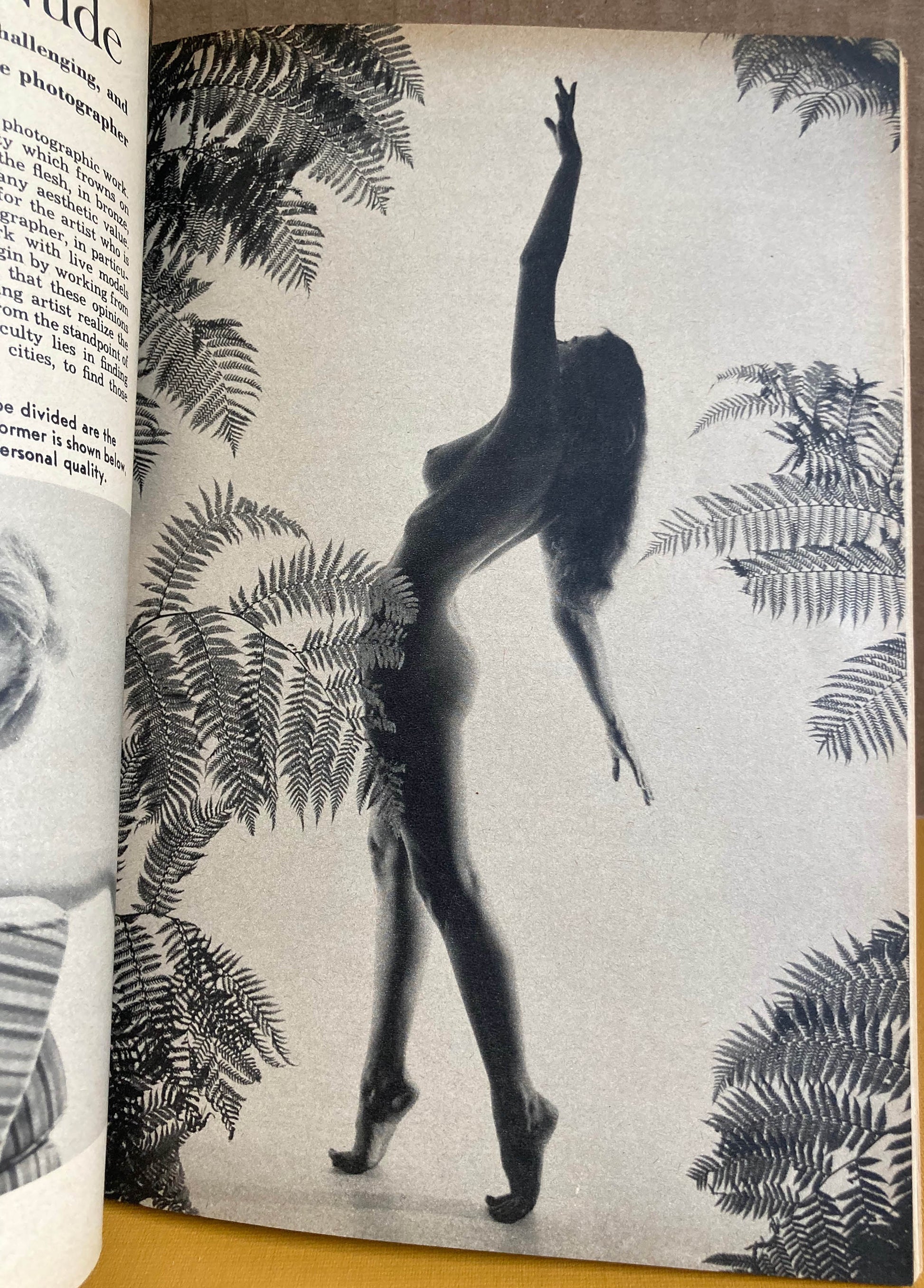
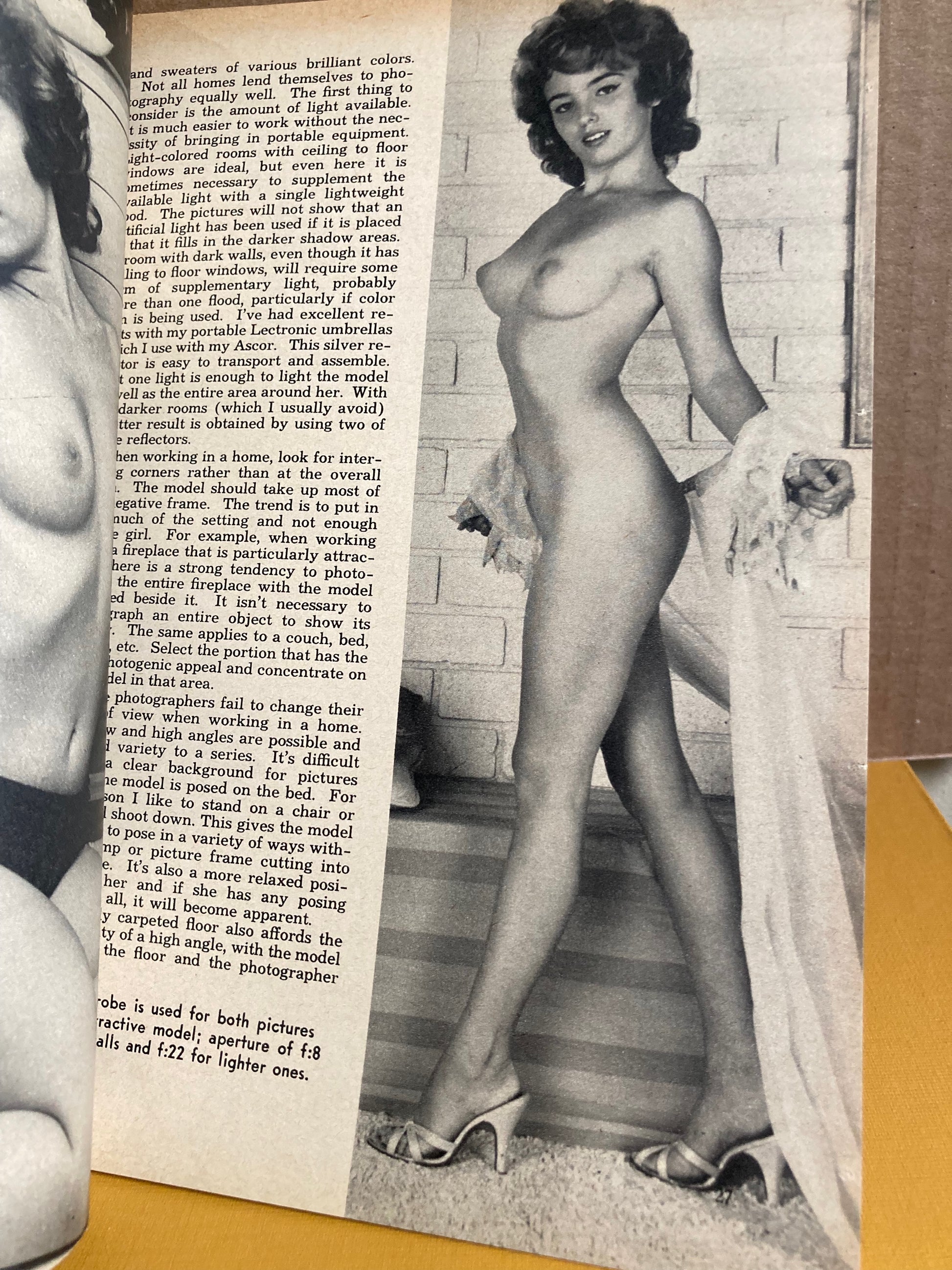
Edited by Adolphe Barreaux. Whitehouse Publications, 1962. Wraps, good with crease at corner of cover and browning at page edges. 112 pages. Profusely illustrated with photographs of young beautiful women models in an astonishing variety of poses, both indoors and outdoors, most of them nude or in two-piece bathing suits. Peter Gowland was one of the best known cheesecake photographers for calendars, pinups, Hollywood starlet promotional photos, glamor, and related work. In this book, he explains his techniques in working with exceptionally endowed models in both artificial and natural light. Includes some photos of Gowland with camera and model. Summary:
Peter Gowland Photographs The Figure (1962) is a definitive technical and aesthetic guide by one of the 20th century’s most prolific masters of glamour and figure photography. Published as part of the popular Whitestone series, the book serves as a mid-century "masterclass" for both amateur and professional photographers looking to elevate the "finish" of their studio and outdoor work.
Core Themes and Instructional Content
-
The "Gowland Look": Peter Gowland was famous for his ability to combine high-fashion elegance with a natural, sun-drenched California aesthetic. The book deconstructs how to achieve his signature style—characterized by flattering lighting, athletic posing, and a seamless integration of the human form with the environment.
-
Technical Innovation: Gowland wasn't just a photographer; he was a camera designer (notably the Gowlandflex). The book emphasizes his preference for medium-format twin-lens reflex cameras, which allowed him to capture high-resolution detail while maintaining the spontaneity of a handheld unit.
-
Lighting and Composition: A significant portion of the text is dedicated to the "science" of light—using reflectors to fill shadows in bright sunlight and the precise placement of studio strobes to accentuate muscle tone and silhouette.
Visual and Cultural Significance
-
The 1962 Aesthetic: The book reflects the transition from the rigid, "pin-up" styles of the 1950s to the more modern, liberated "lifestyle" photography of the early 60s.
-
The Professional Standard: Unlike the "pulps" of the era, Whitestone No. 39 was respected for its focus on craft. Gowland provides diagrams and exposure data, treating the figure not as a mere subject, but as a complex architectural form to be mapped with light.
- Peter Gowland (1916–2010) was an American photographer, custom camera designer, and actor best known for his iconic glamour and pin-up photography and his technical innovation in large-format camera engineering. Born in Los Angeles to actor parents, Gowland worked briefly as an actor and movie extra before serving as a photographer for the U.S. Army Air Forces during World War II. After the war, he established a prolific career in Santa Monica, photographing over 1,000 magazine covers—including for Rolling Stone, Life, Look, and Playboy—as well as shooting portraits of Hollywood stars like Elizabeth Taylor and Robert Redford. Dissatisfied with commercial equipment, Gowland engineered and manufactured specialized twin-lens reflex (TLR) cameras and light-weight metal 4x5 and 8x10 field cameras known as "Gowlandflex" cameras, which became famous worldwide among fine art and portrait photographers. Author of more than two dozen instructional books on glamour, lighting, and photography techniques, Gowland maintained an active career for over six decades alongside his wife and collaborator, Alice Gowland, leaving behind an indelible mark on mid-century American popular culture and technical camera design.