Gary Saretzky Photo Books
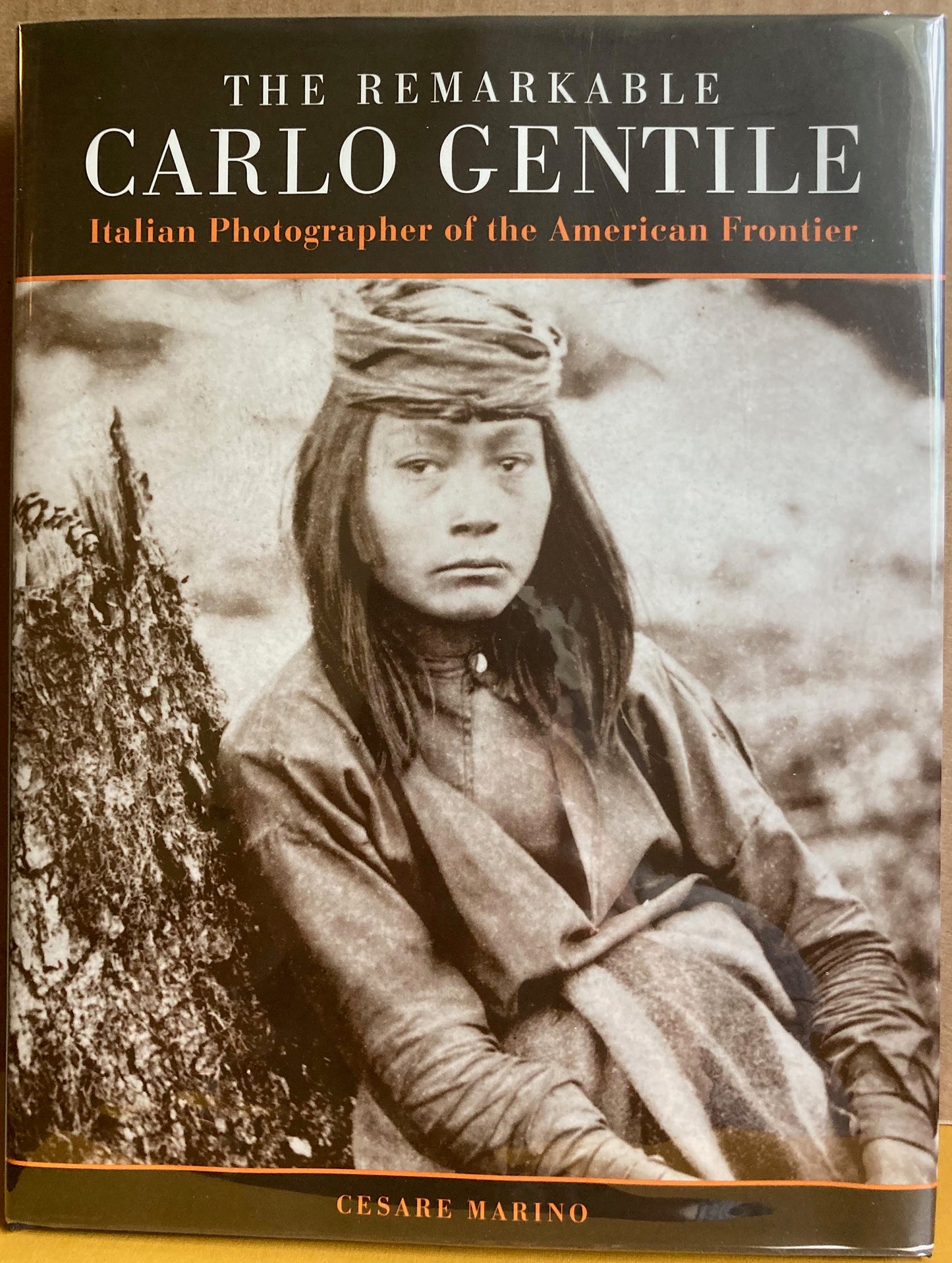
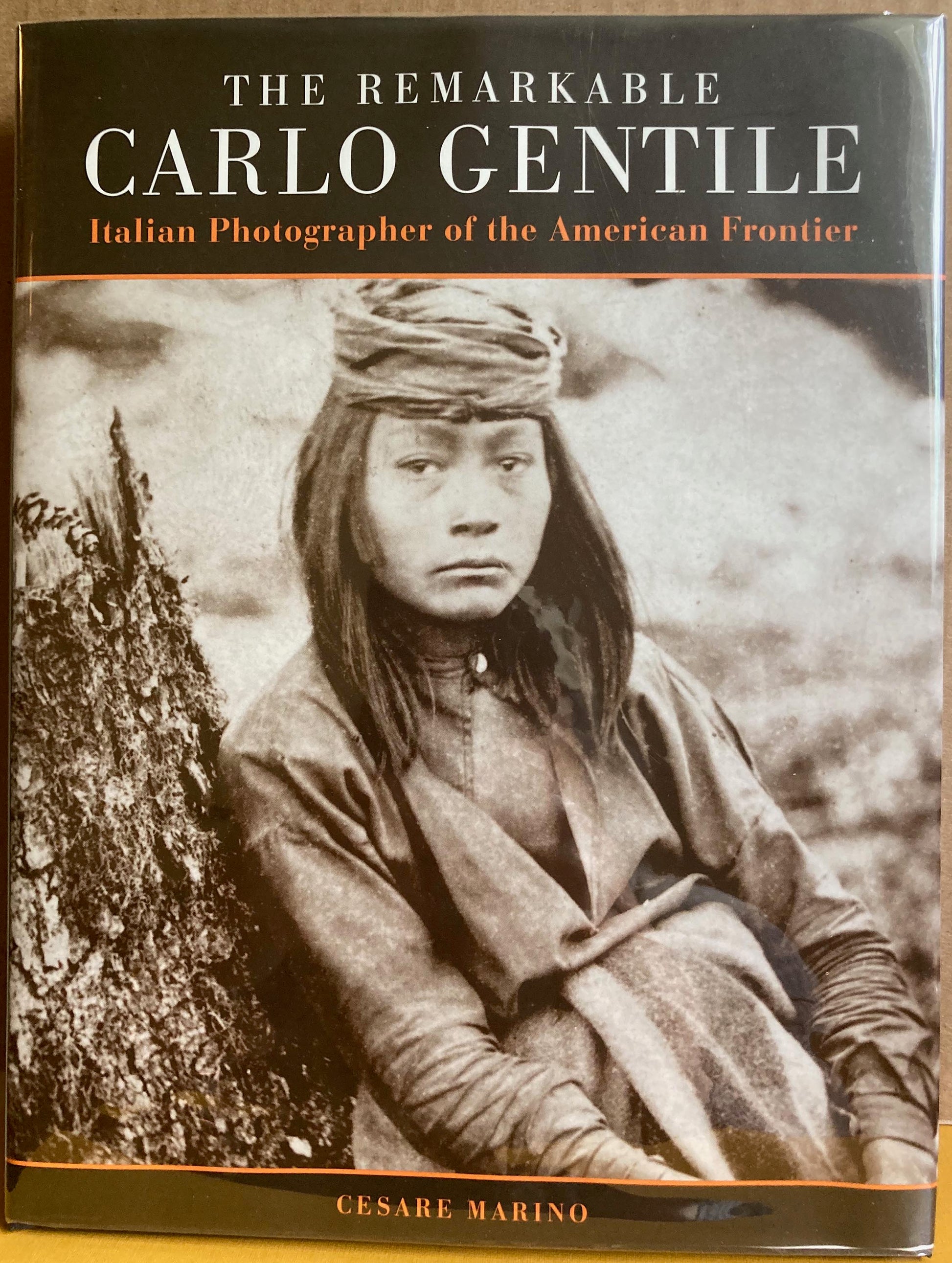
Gentile, Carlo. The Remarkable Carlo Gentile: Italian Photographer of the American Frontier by Cesare Marino.
Gentile, Carlo. The Remarkable Carlo Gentile: Italian Photographer of the American Frontier by Cesare Marino.
Impossible de charger la disponibilité du service de retrait
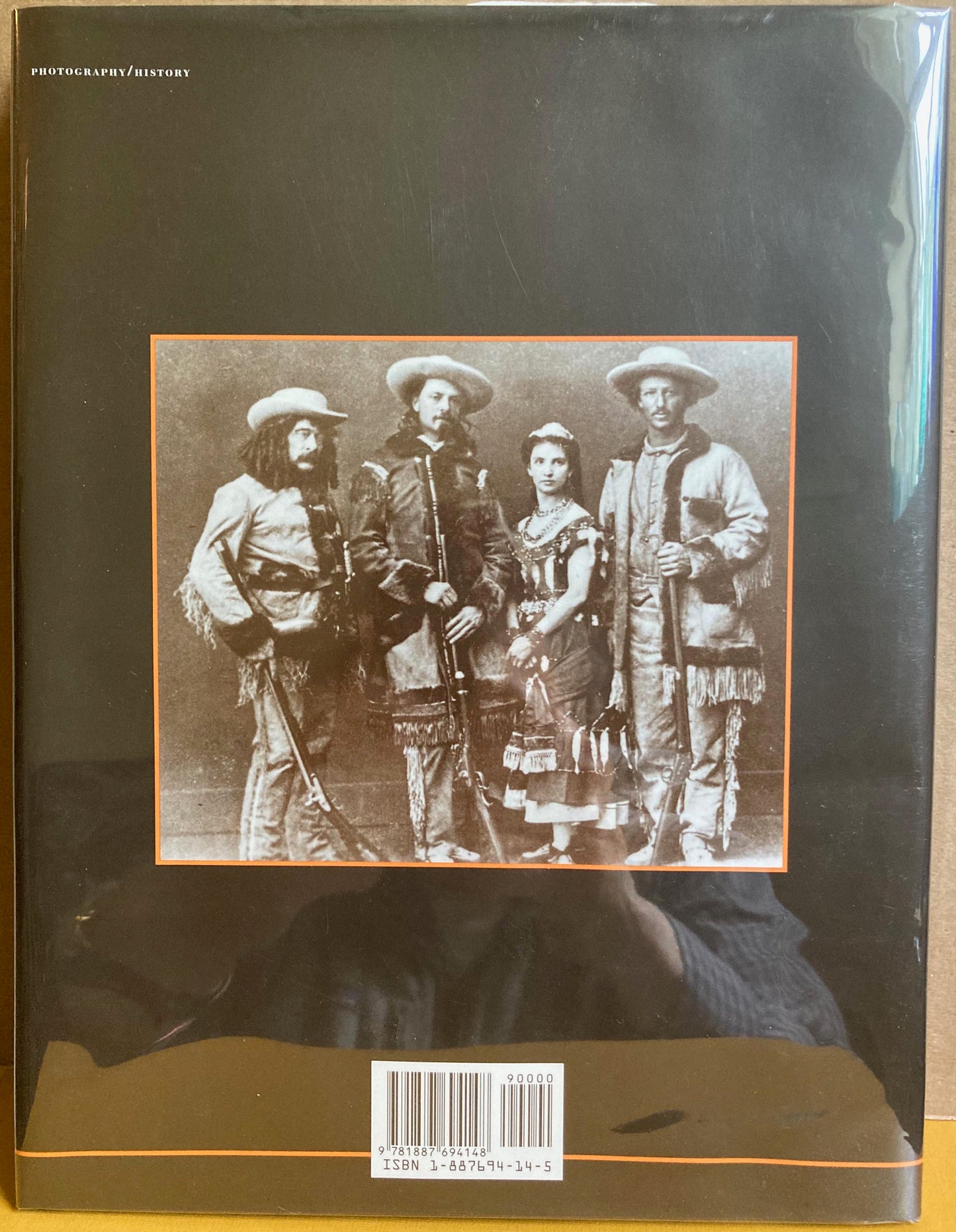
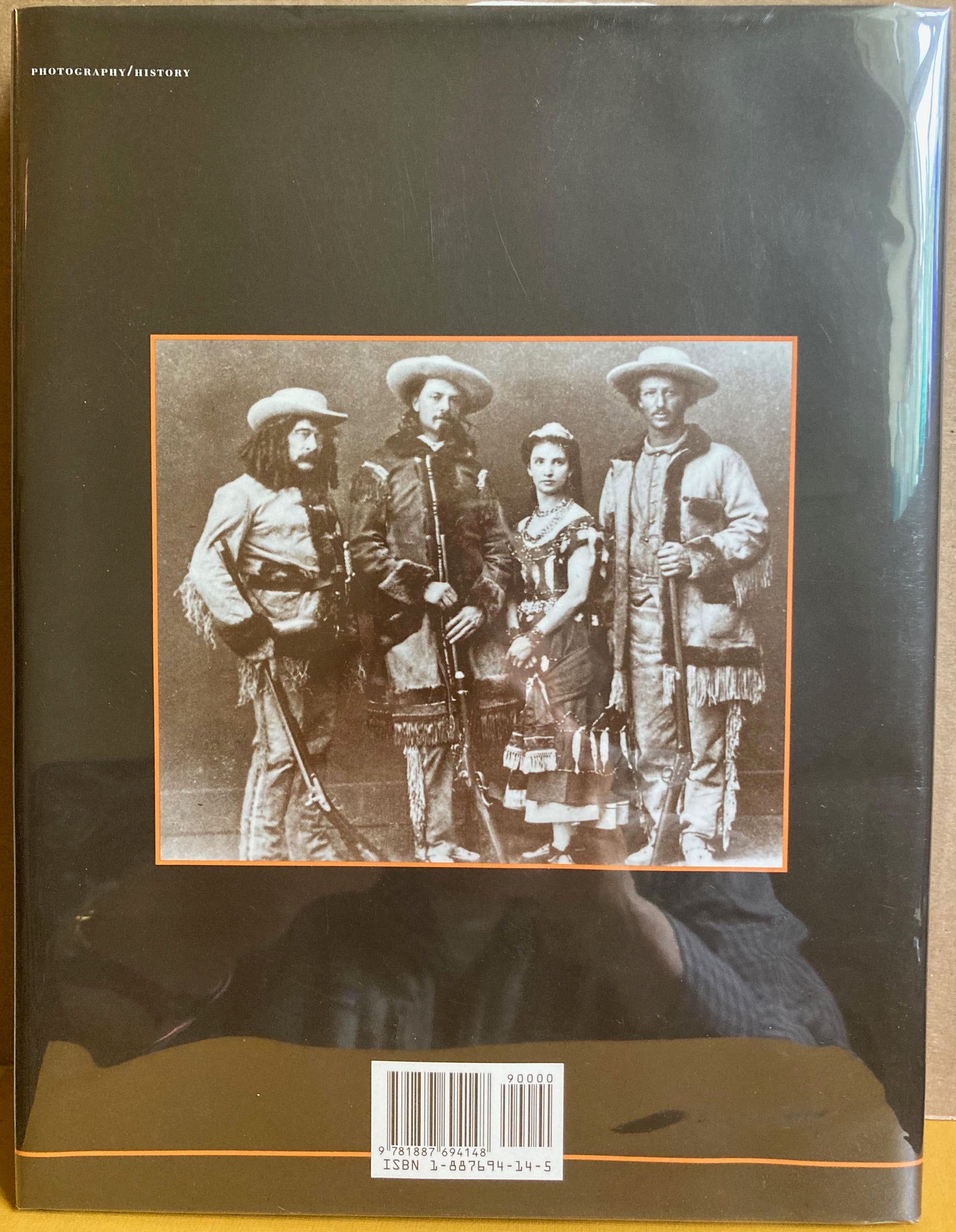
Carl Mautz, 1998. 104 pages. Introduction by Jeremy Rowe. First Edition. Like new in hardcover with protected dust jacket. Although Gentile was associated with legendary figures such as Buffalo Bill Cody and Indian rights activist Carlos Montezuma (Gentile's adopted son), the details of his life and work were obscure before this book. Appendices contain many interesting documents about the photographer. Includes bibliography and index. Summary:
The Remarkable Carlo Gentile: Italian Photographer of the American Frontier (1998) by Cesare Marino is a scholarly biography that rescues from obscurity one of the most fascinating figures in 19th-century American photography. Marino, an ethnohistorian, meticulously reconstructs the life of Carlo Gentile, an Italian immigrant who became a pioneering itinerant photographer, capturing the raw, transitional reality of the American West between the 1860s and 1880s.
Core Themes and Historical Narrative
-
The Itinerant Visionary: Gentile traveled extensively through British Columbia, California, Arizona, and New Mexico. Unlike the "Grand Landscape" photographers of his time, Gentile was primarily a portraitist of the frontier, documenting the diverse faces of miners, settlers, and Indigenous peoples.
-
The Adoption of Carlos Montezuma: A central pillar of the book is Gentile’s relationship with a young Yavapai boy he purchased for thirty pesos in 1871. Gentile adopted him, naming him Carlos Montezuma. The book tracks their travels together (including a stint with Buffalo Bill’s Wild West show) and Gentile’s role in educating Montezuma, who would eventually become the first Native American medical doctor and a prominent political activist.
-
Ethnographic Value: Marino emphasizes Gentile’s photographs as vital primary sources. His portraits of Native Americans are noted for their lack of artifice; he often photographed subjects in their contemporary reality rather than dressing them in "theatrical" traditional gear, providing a more honest look at cultural adaptation.
Visual and Technical Style
-
The "Wet-Plate" Frontier: The book details the immense physical labor of Gentile’s craft. Operating a mobile "photographic car," he had to coat, expose, and develop glass-plate negatives in the field under harsh conditions, requiring a level of chemical mastery and mechanical ingenuity.
-
Candid Formality: Gentile’s style is a unique bridge between formal studio portraiture and environmental documentary. His subjects often possess a startling, direct gaze that pierces the historical "haze" of the 19th century.
- Carlo Gentile (1835–1893) was an Italian-born itinerant photographer and publisher whose expansive field work provided vital visual documentation of the 19th-century American West and Pacific Northwest. Born to a cultured family in Naples, Gentile traveled through South America and California before establishing a photographic studio in Victoria, British Columbia, in 1863. Operating under the name Charles Gentile, he became the first photographer to extensively document the interior of Vancouver Island and the Cariboo gold fields, as well as taking the earliest known photographs of Seattle in 1866. Moving throughout California, Arizona, and the Southwest in the late 1860s and 1870s, he produced groundbreaking documentary portrait albums of Indigenous peoples—including the Mohave, Yavapai, Pima, and Apache—and raised an orphaned Yavapai child, Wassaja, who would grow up to become the renowned Native American physician and activist Dr. Carlos Montezuma. Gentile spent his later career operating studios in Chicago, where he founded the early trade journal The Eye and advocated for photographic craft until his death.