Gary Saretzky Photo Books
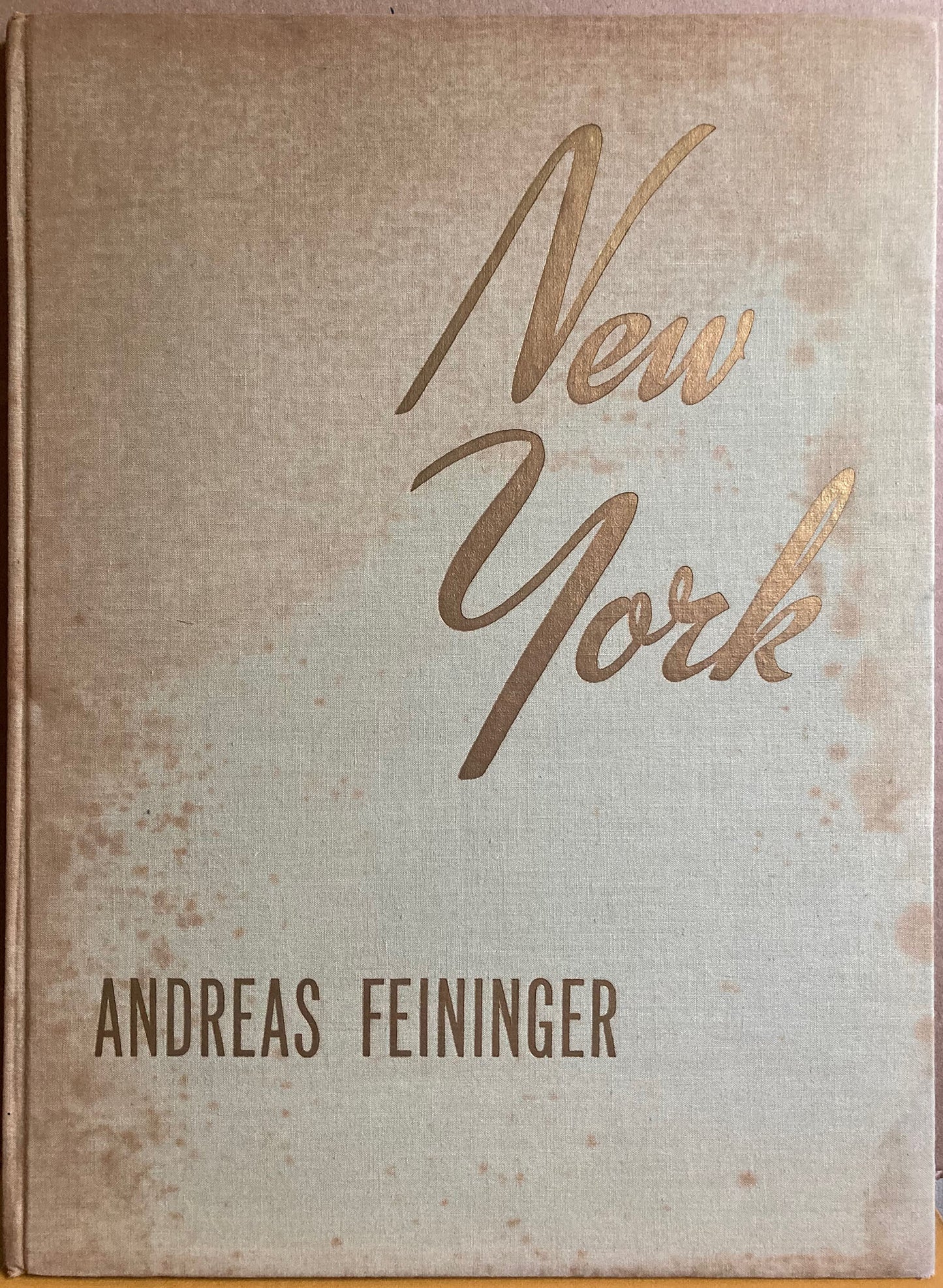
Feininger, Andreas. New York. 96 Photographs by Andreas Feininger.
Feininger, Andreas. New York. 96 Photographs by Andreas Feininger.
Impossible de charger la disponibilité du service de retrait
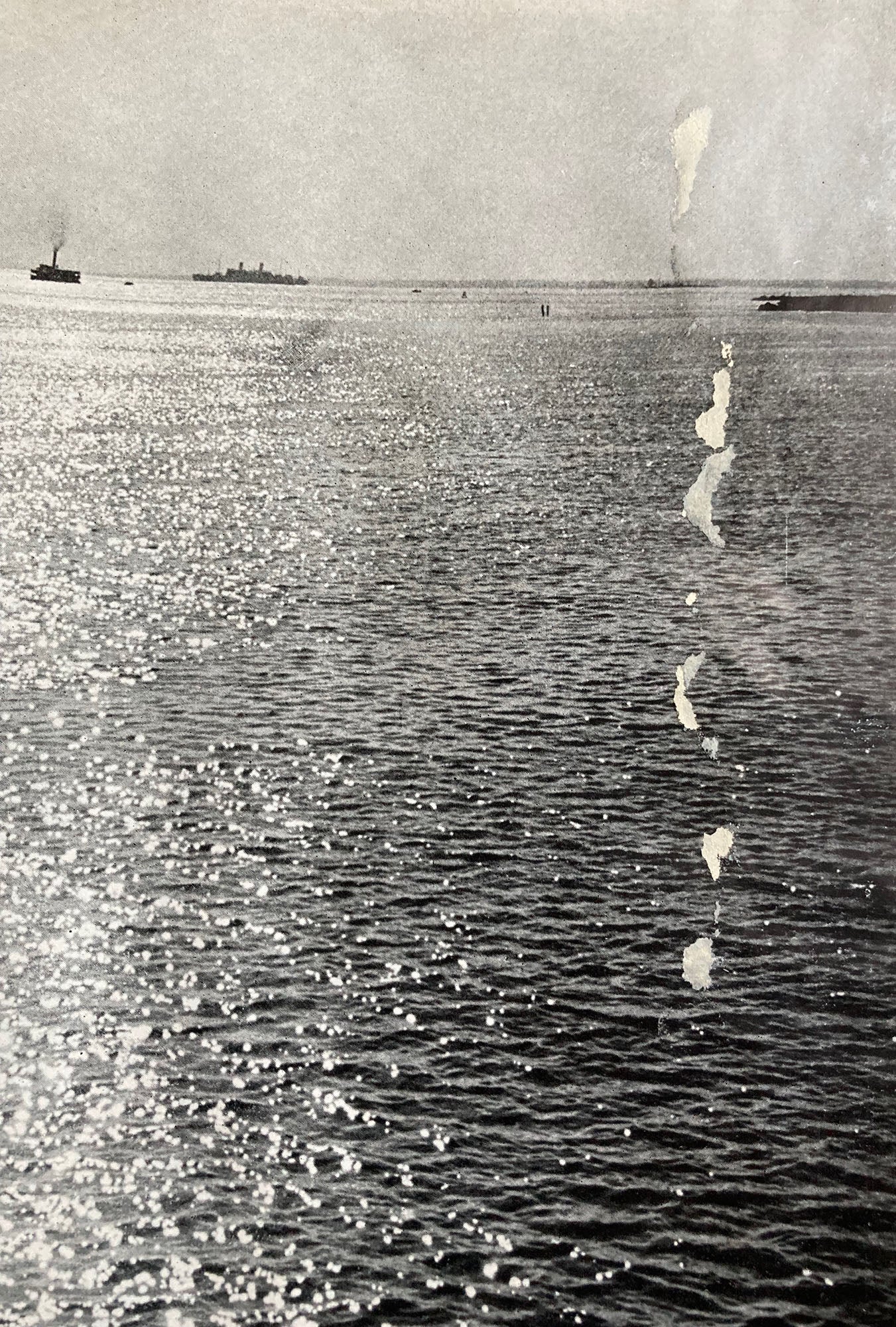
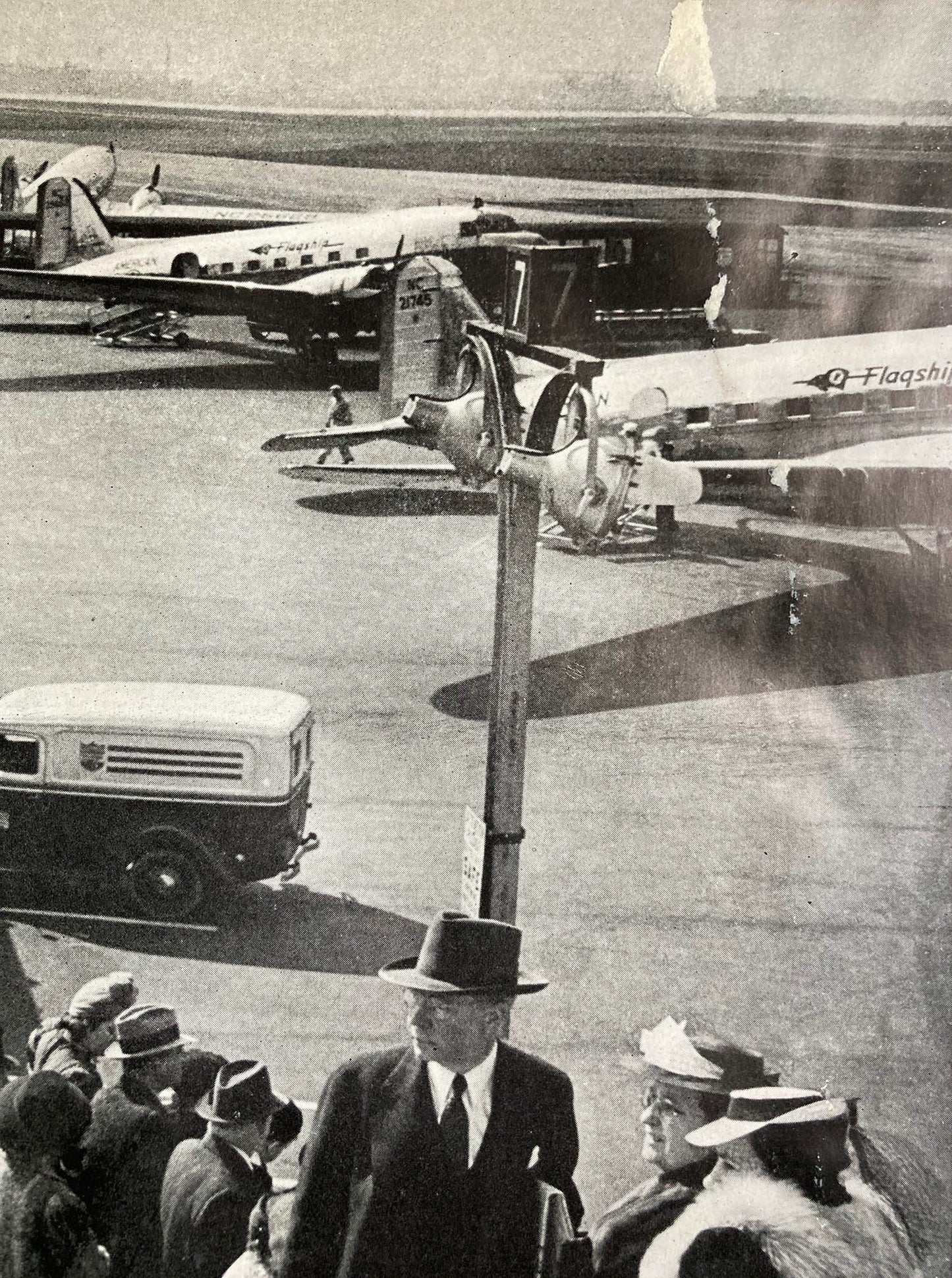
Ziff-Davis, 1945. Cloth, stained with wear at bottom right front corner. Reading copy, water stained, some pages with small losses and ripples, fair reading copy, sold as is, no return. Lacks dust jacket. Approximately 10.5 x 14.5 inches. Introduction by John Erskine. Feininger’s superb full page black-and-white photographs, mostly taken in Manhattan with some in Brooklyn, Queens, and Weehawken. Review copy slip tipped in on front flyleaf with publication date, November 26, 1945. Four maps on paste-downs and flyleaves, including camera locations and business districts showing where different types of businesses and ethnic groups are concentrated. Summary:
New York: 96 Photographs (1945) is a landmark of urban photography by Andreas Feininger, a Bauhaus-trained architect turned photojournalist for LIFE magazine. Published just as World War II was ending, the book presents New York City not as a collection of people, but as a monumental, living machine—a "vertical desert" of steel, stone, and glass.
Core Themes and Architectural Vision
-
The City as Structure: Feininger applied his architectural background to his photography, focusing on the "bones" of the city. He famously avoided the "human interest" snapshots typical of his contemporaries, opting instead for the grand scale of skyscrapers, the intricate webs of suspension bridges, and the rhythmic patterns of the elevated train lines.
-
The "Telescopic" Perspective: Feininger was a pioneer in the use of long-telephoto lenses. By shooting from miles away (often from the New Jersey shoreline), he compressed the city's layers, making the skyscrapers appear as a dense, overlapping forest of masonry.
-
Atmospheric Industrialism: The 96 photographs capture the grit of the 1940s—the smoke of the tugboats in the harbor, the deep shadows of the "canyons" of Wall Street, and the shimmering, hazy light of the Hudson River.
Visual and Technical Style
-
Precision: Feininger was a technical perfectionist who built many of his own cameras and enlargers. His prints are noted for their extreme clarity and "graphic" quality, favoring high-contrast black-and-white tones that emphasize texture and silhouette.
-
Static Dynamism: While the city is full of movement, Feininger’s long exposures and precise framing give the metropolis a sense of eternal, frozen power.
- Andreas Feininger (1906–1999) was a Paris-born American photographer, architectural draftsman, and photo-essayist celebrated for his rigorous geometric compositions, pioneering technical innovations, and landmark urban landscapes of mid-century New York City. The eldest son of Expressionist painter Lyonel Feininger, he trained as an architect at the Bauhaus in Weimar and practiced building design in Germany and Sweden before emigrating to the United States in 1939 to pursue photography full-time. Joining the staff of Life magazine in 1943, where he worked for two decades, Feininger applied his architectural precision to black-and-white photojournalism, utilizing custom-built telephoto lenses to capture sweeping, flattened perspectives of New York’s skyscrapers, bridges, and bustling streets. Equally adept at macro-photography—producing detailed, sculptural studies of natural objects such as shells, bones, and leaves—he authored more than 30 influential manuals on photographic technique, cementing his legacy as both a visual poet of the modern metropolis and a master scholar of photographic theory.