Gary Saretzky Photo Books
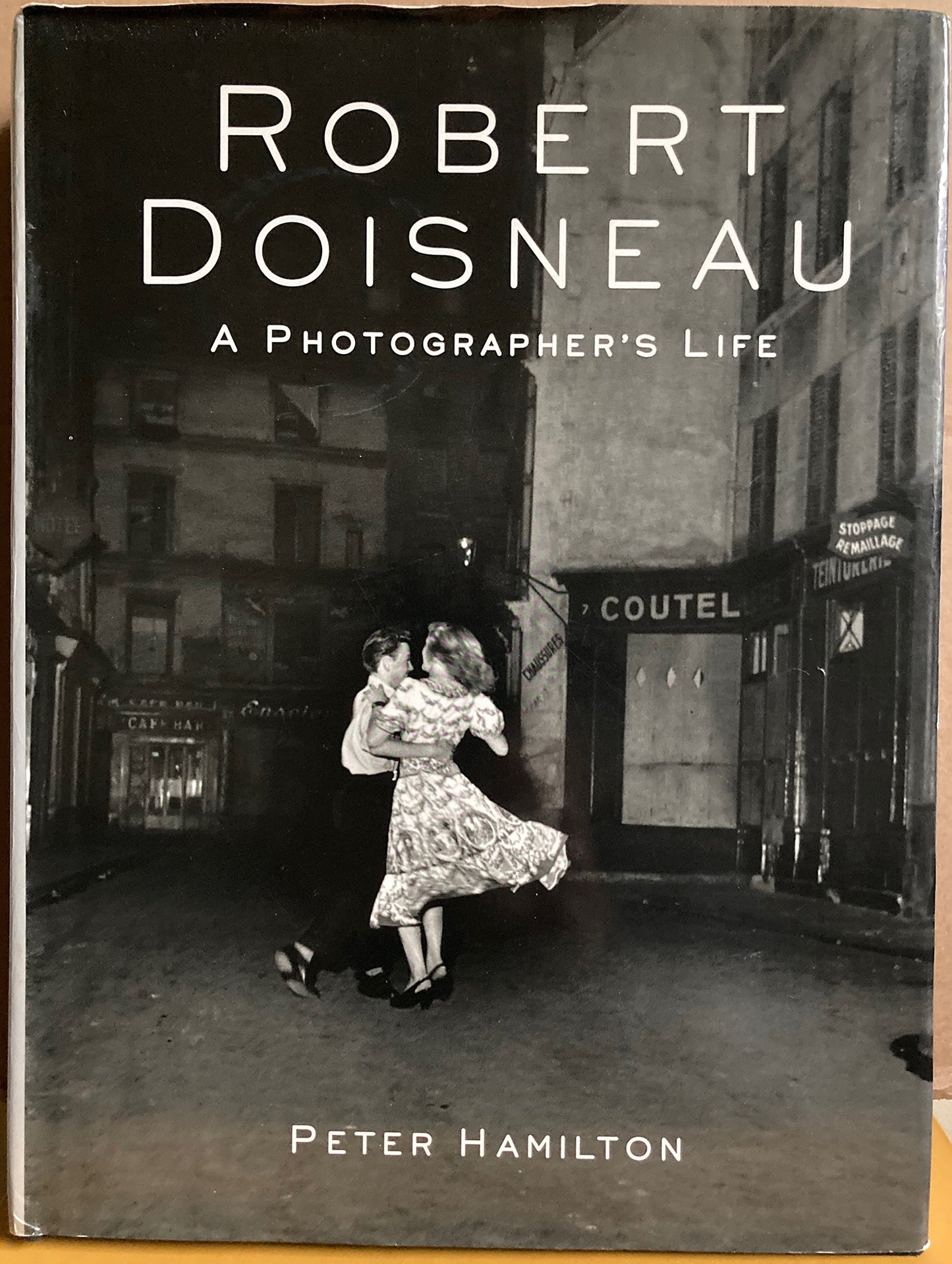
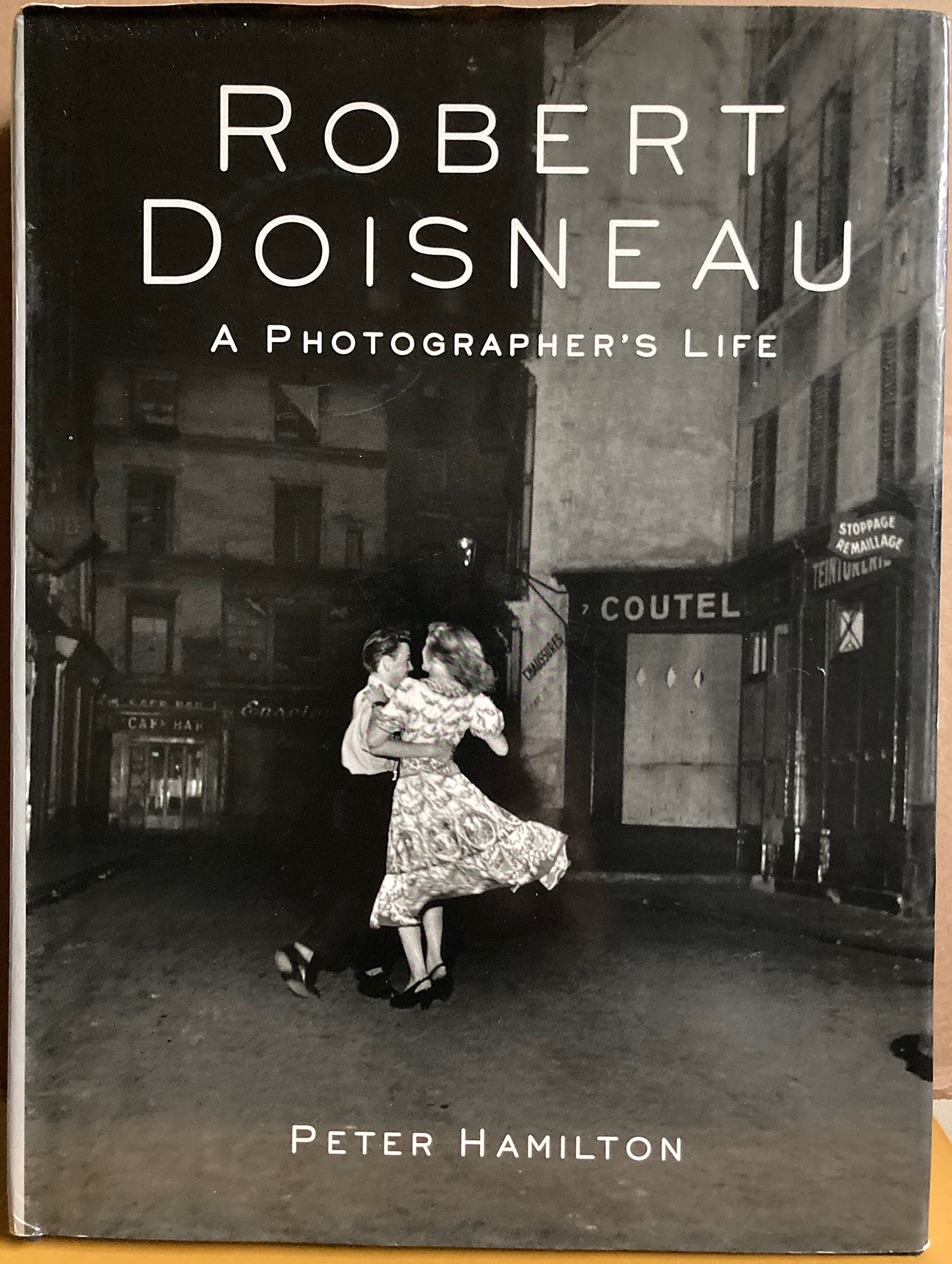
Doisneau, Robert. Robert Doisneau: A Photographer's Life by Peter Hamilton.
Doisneau, Robert. Robert Doisneau: A Photographer's Life by Peter Hamilton.
Impossible de charger la disponibilité du service de retrait
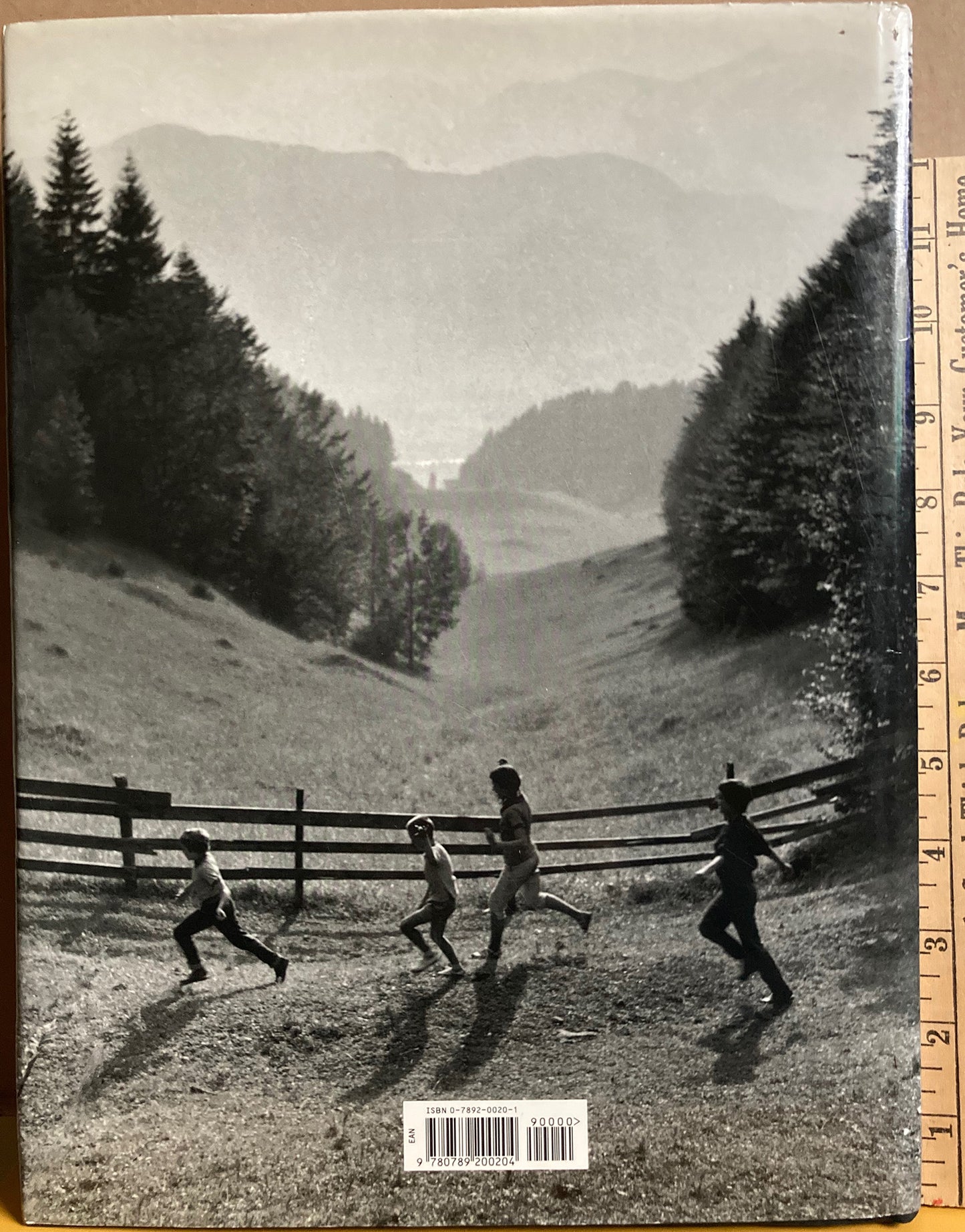
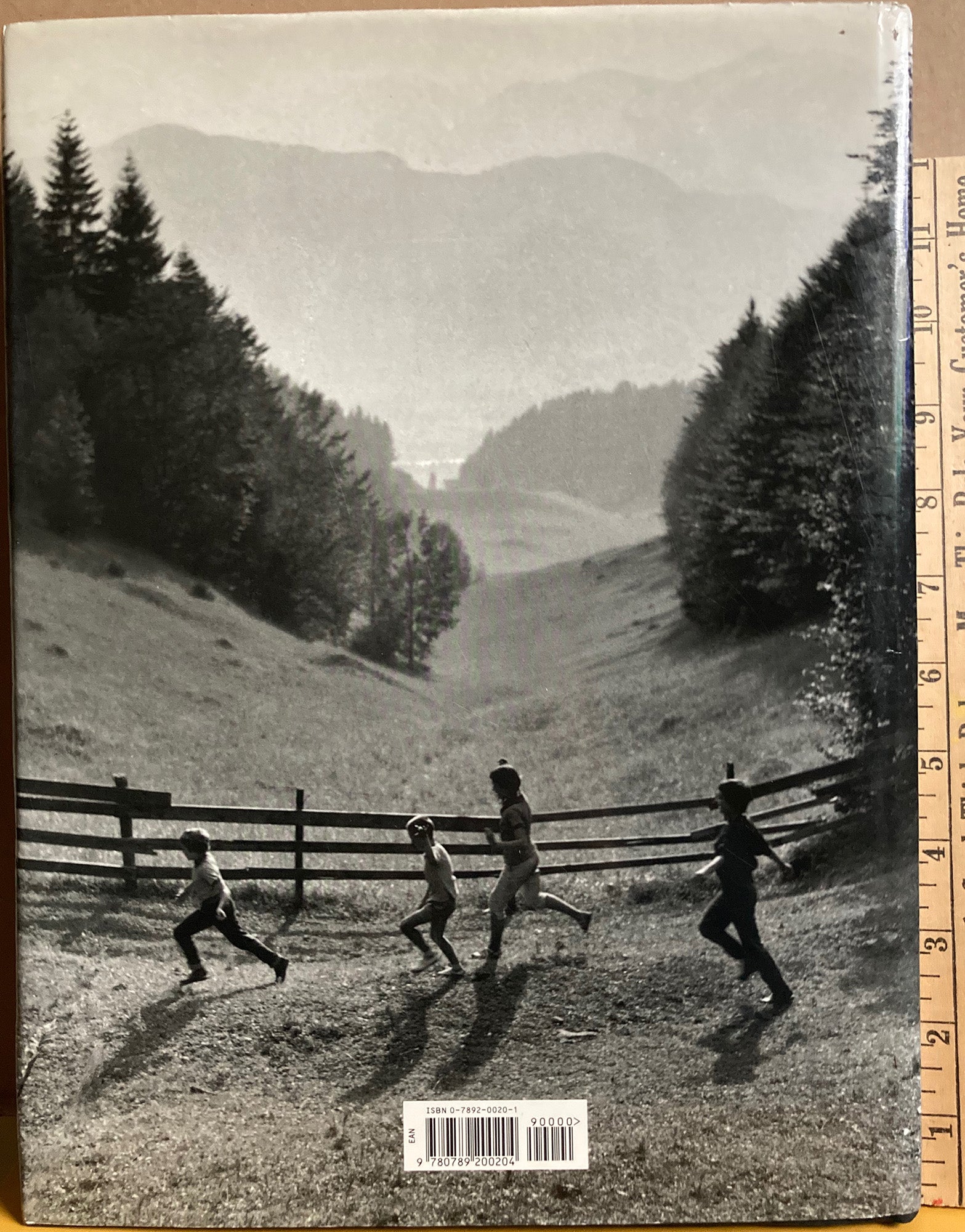
Abbeyville, 1995. 1st edition, 1st printing. 372 pages, 455 numbered illustrations. Appendices with extensive biographical information. Remainder mark, otherwise fine in very good, newly protected dust jacket with small almost unnoticeable scratch on back cover. A hefty monograph issued at $75 that reproduces the full range of Doisneau's oeuvre, including his expertly captured humorous moments in daily life. Summary:
Robert Doisneau: A Photographer’s Life (1995) by Peter Hamilton is the definitive critical biography of the man often erroneously labeled as a mere "sentimentalist." Hamilton peels back the layers of the "Doisneau Myth," revealing a complex, technically rigorous artist who used his camera to create a "theatre of the ordinary" in the suburbs and streets of Paris.
Core Themes and Narrative
-
The "Artisan" Identity: Hamilton emphasizes Doisneau’s roots as an industrial photographer for Renault. He portrays Doisneau not as a "flâneur" (aimless wanderer) but as a "worker" who applied a disciplined, blue-collar work ethic to his street photography.
-
The Suburbs (La Banlieue): Unlike many of his contemporaries who focused on the glamour of central Paris, Doisneau was the poet of the outskirts. The book explores his deep connection to the "Zone"—the gritty, transforming periphery where the old world of artisans met the new world of high-rise concrete.
-
"Le Baiser de l'Hôtel de Ville": Hamilton provides a rigorous account of Doisneau's most famous image (The Kiss), detailing its staged nature. He uses this as a pivot point to discuss Doisneau’s philosophy: that a "staged" photo could be more "truthful" to the feeling of Paris than a candid one.
Visual and Technical Notes
-
The "Graphist" Precision: Drawing on his training in engraving and lithography, Doisneau is noted for his impeccable geometry. Hamilton highlights how Doisneau would wait for hours for a subject to walk into a perfectly "pre-visualized" architectural frame.
-
The "Humane" Gray Scale: Hamilton describes Doisneau’s print quality as having a "warmth" that avoids the aggressive contrasts of the New York School. It is a "Gentle Finish" that mirrors his personality—empathetic, witty, and subtly ironic.
- Robert Doisneau (1912–1994) was a premier French photographer and a master of humanist photojournalism, renowned for his whimsical, lyrical, and deeply empathetic black-and-white portraits of daily life on the streets of Paris and its working-class suburbs. Born in Gentilly, Val-de-Marne, Doisneau studied craft engraving and lithography at the École Estienne before teaching himself photography and serving as an industrial photographer for Renault in the 1930s. Following his military service and work for the French Resistance during World War II—where he forged official documents and passports using his engraving skills—he joined the Rapho agency in 1946, commencing a prolific freelance career contributing to international publications such as Life, Vogue, and Paris Match. A contemporary of Henri Cartier-Bresson and Willy Ronis, Doisneau eschewed intrusion, capturing playful juxtapositions, childhood innocence, eccentric Parisians, and quiet romantic moments using a medium-format Rolleiflex camera. His celebrated 1950 photograph Le Baiser de l'hôtel de ville (The Kiss by the Hôtel de Ville) became an enduring worldwide symbol of post-war romantic Paris, securing his international reputation as a legendary chronicler of poetic urban realism whose vast archive remains foundational to 20th-century French visual heritage.