Gary Saretzky Photo Books
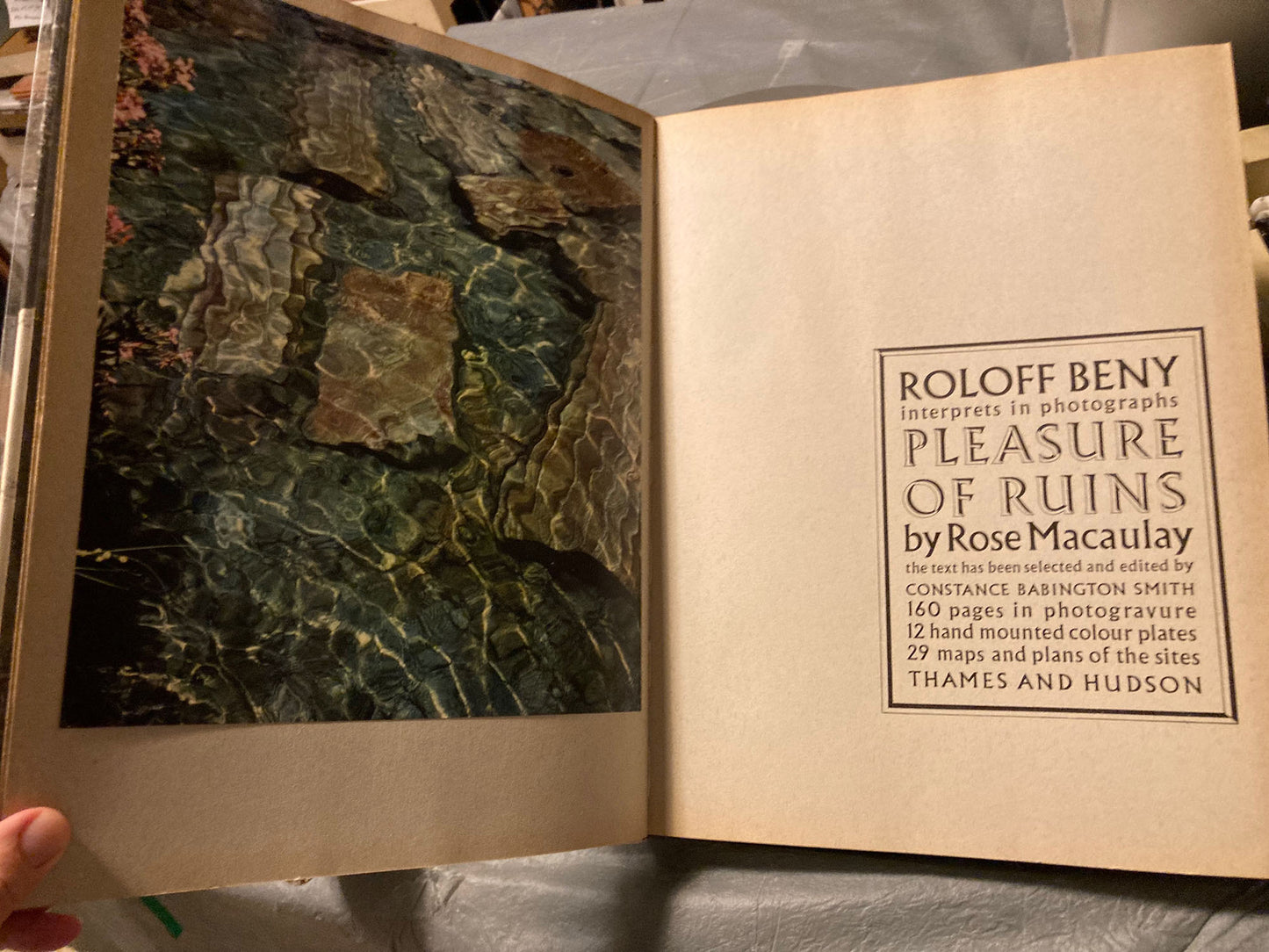
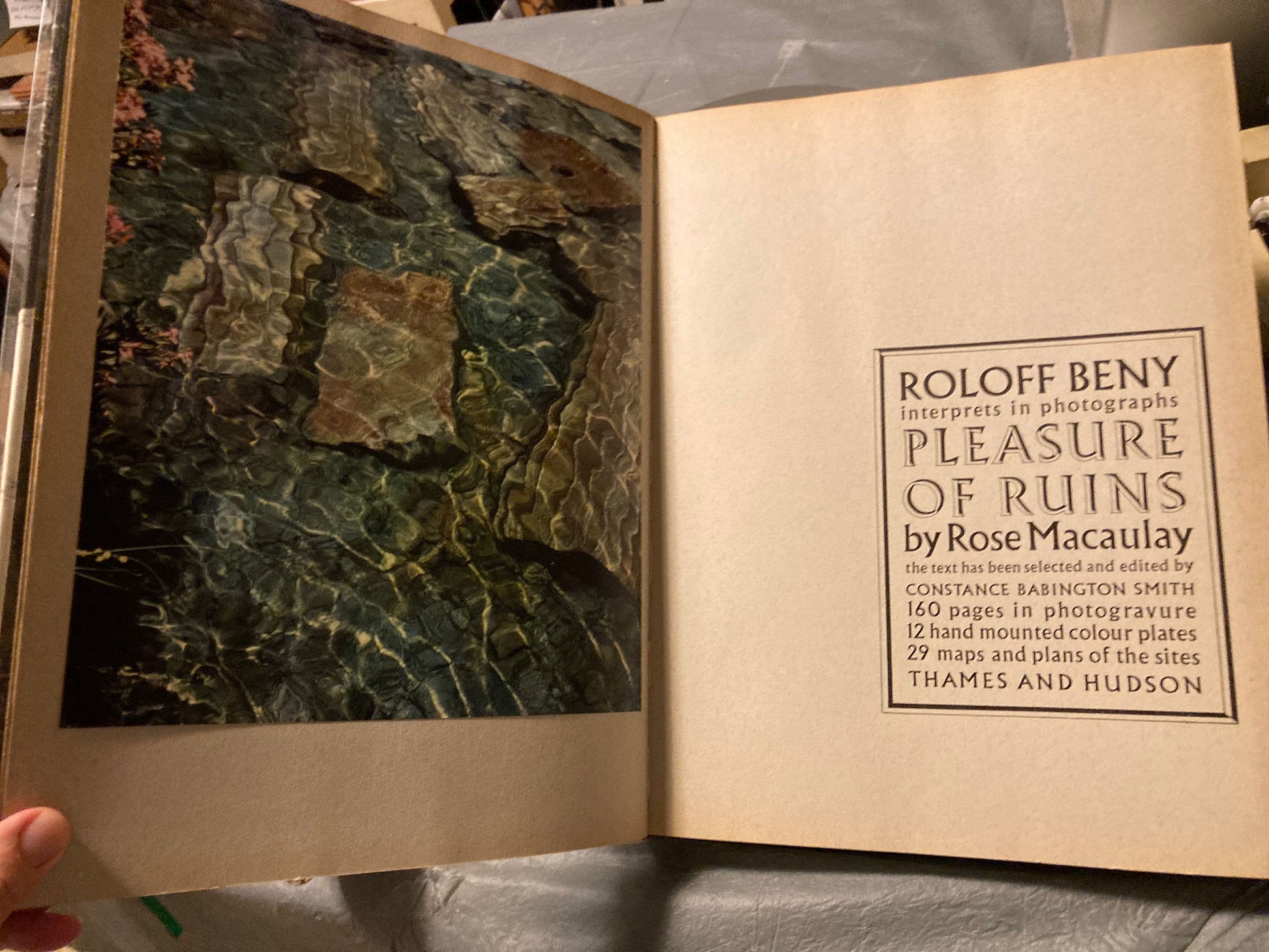
Beny, Roloff. The Pleasure of Ruins. Photographs by Roloff Beny. Text by Rose Macaulay selected and edited by Constance Babington Smith.
Beny, Roloff. The Pleasure of Ruins. Photographs by Roloff Beny. Text by Rose Macaulay selected and edited by Constance Babington Smith.
Impossible de charger la disponibilité du service de retrait
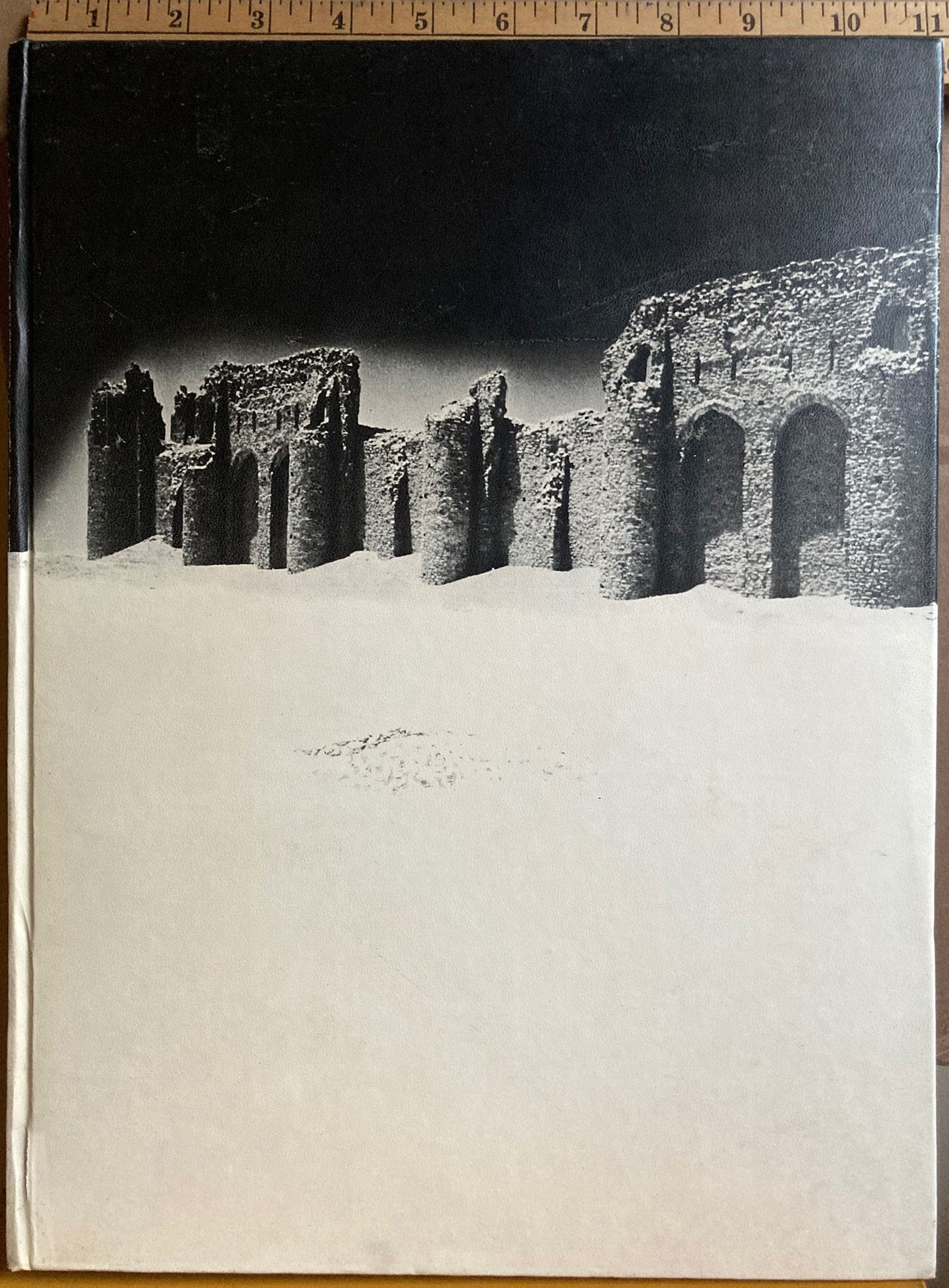
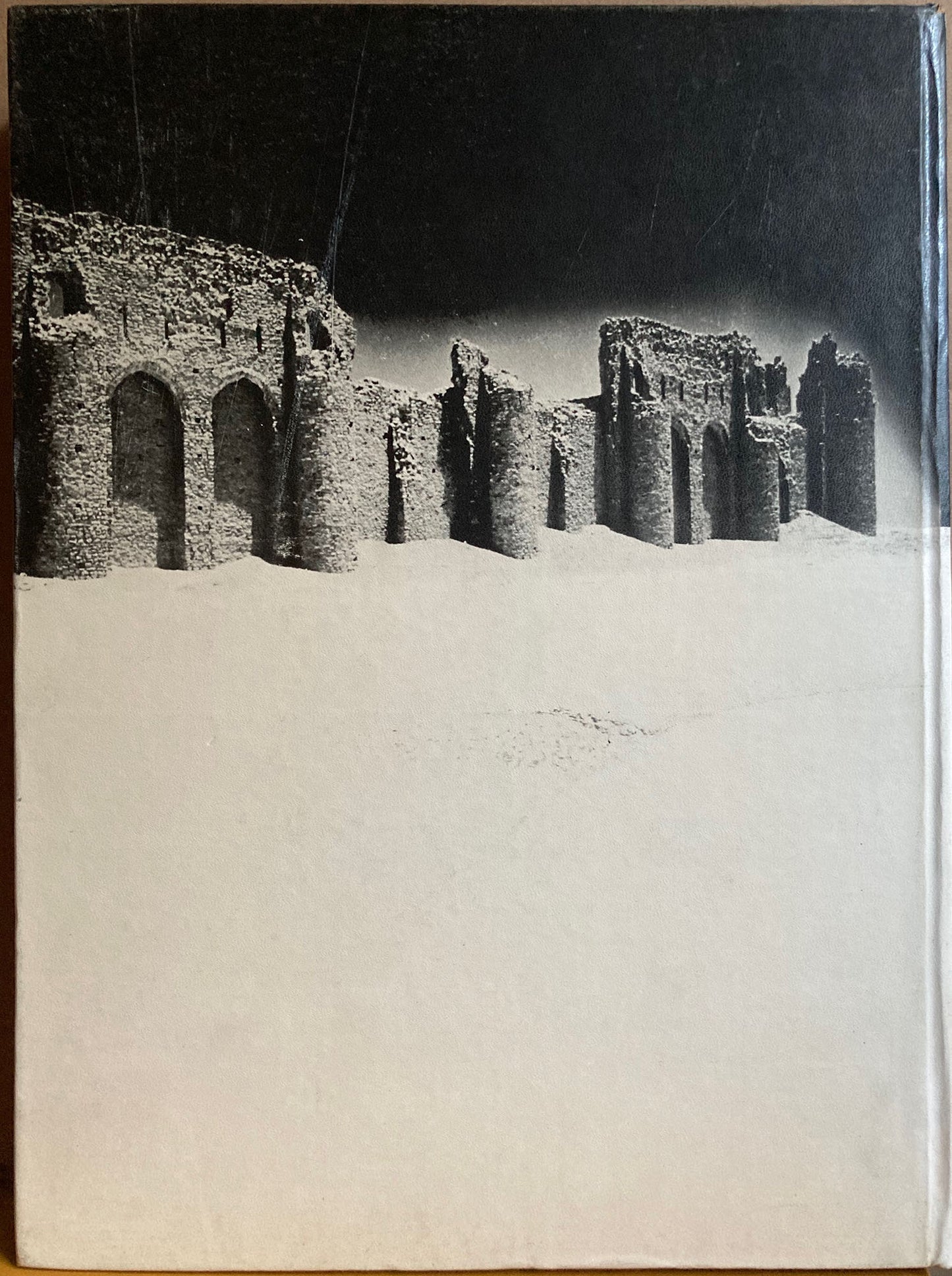
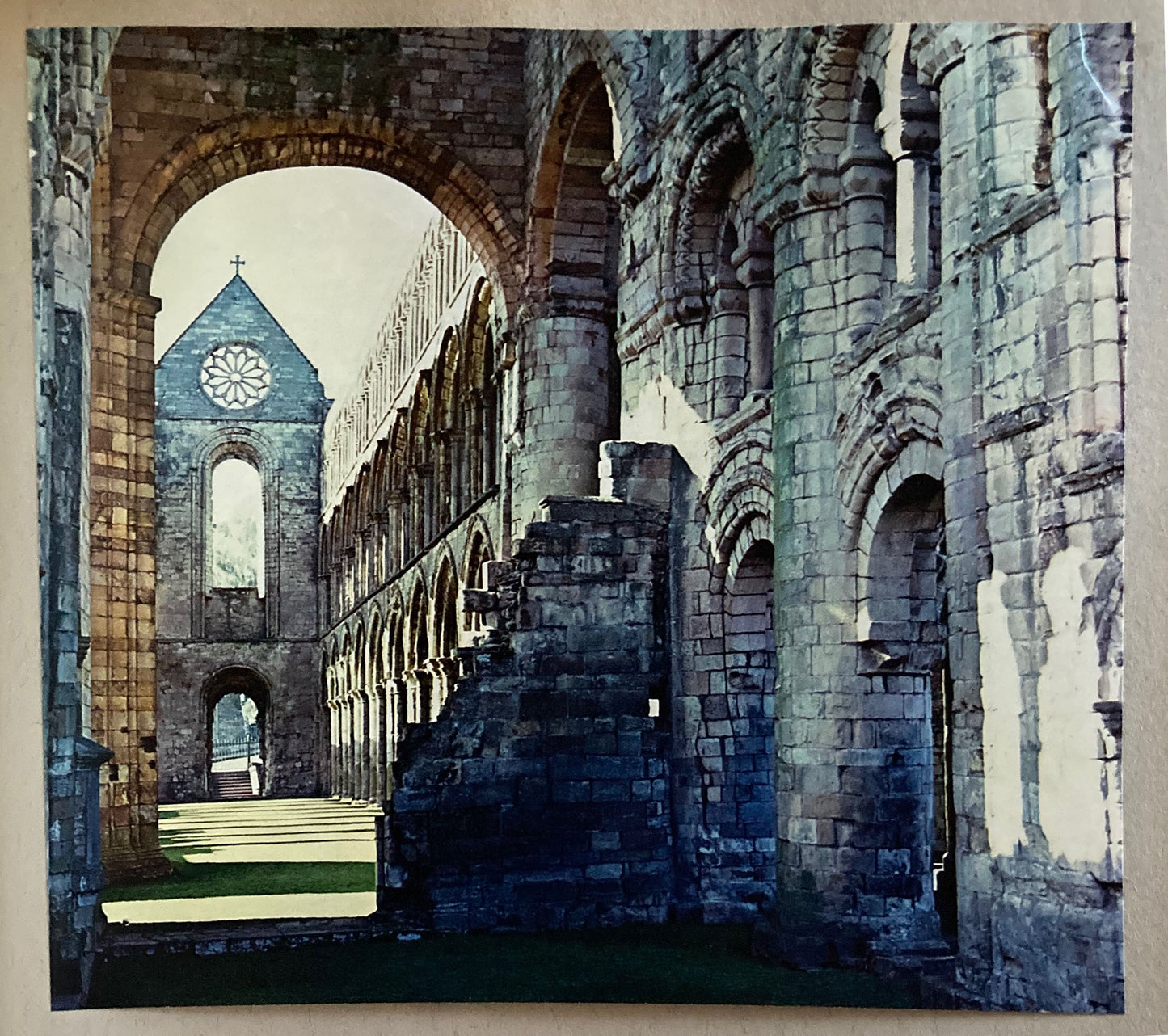
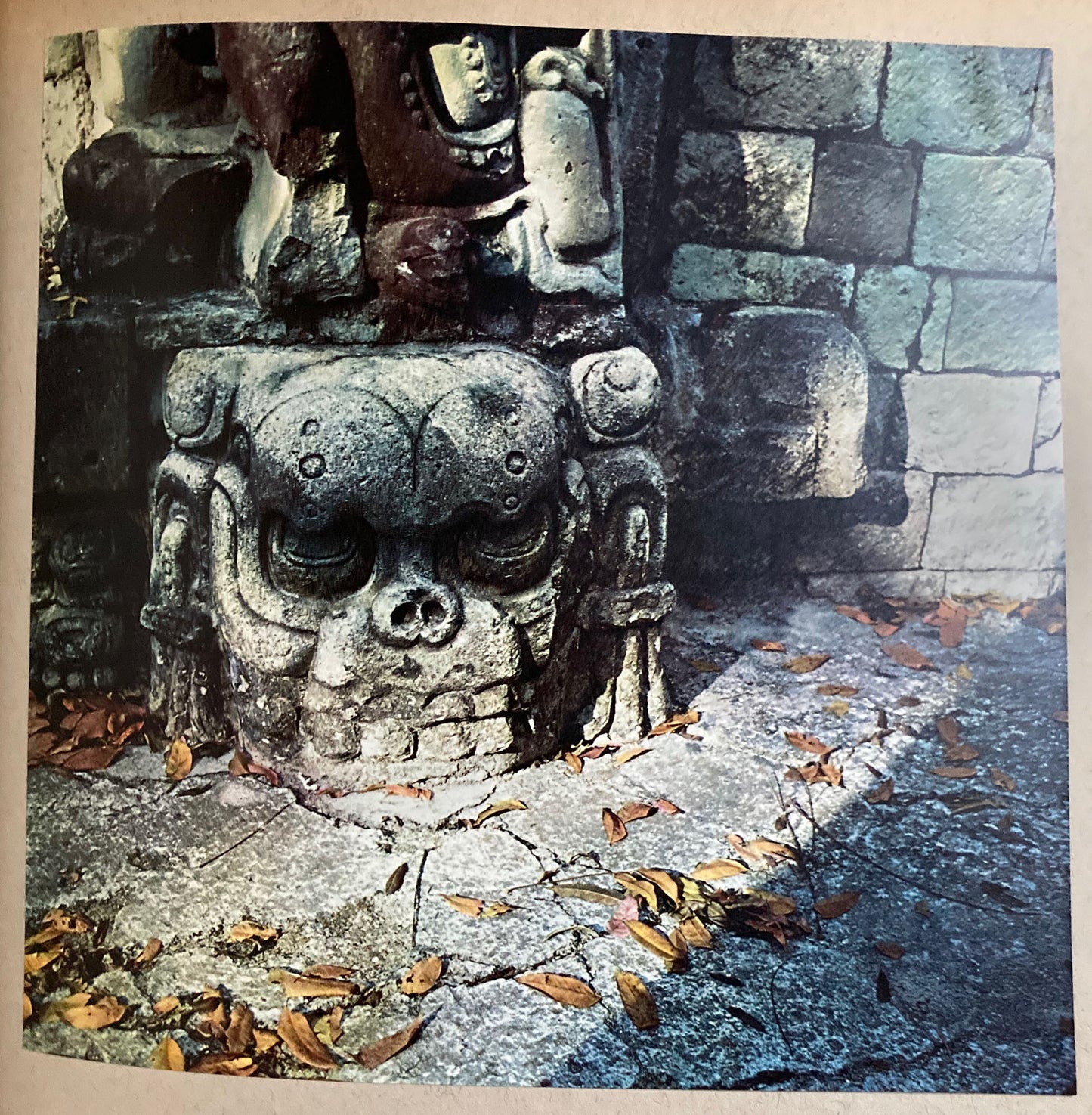
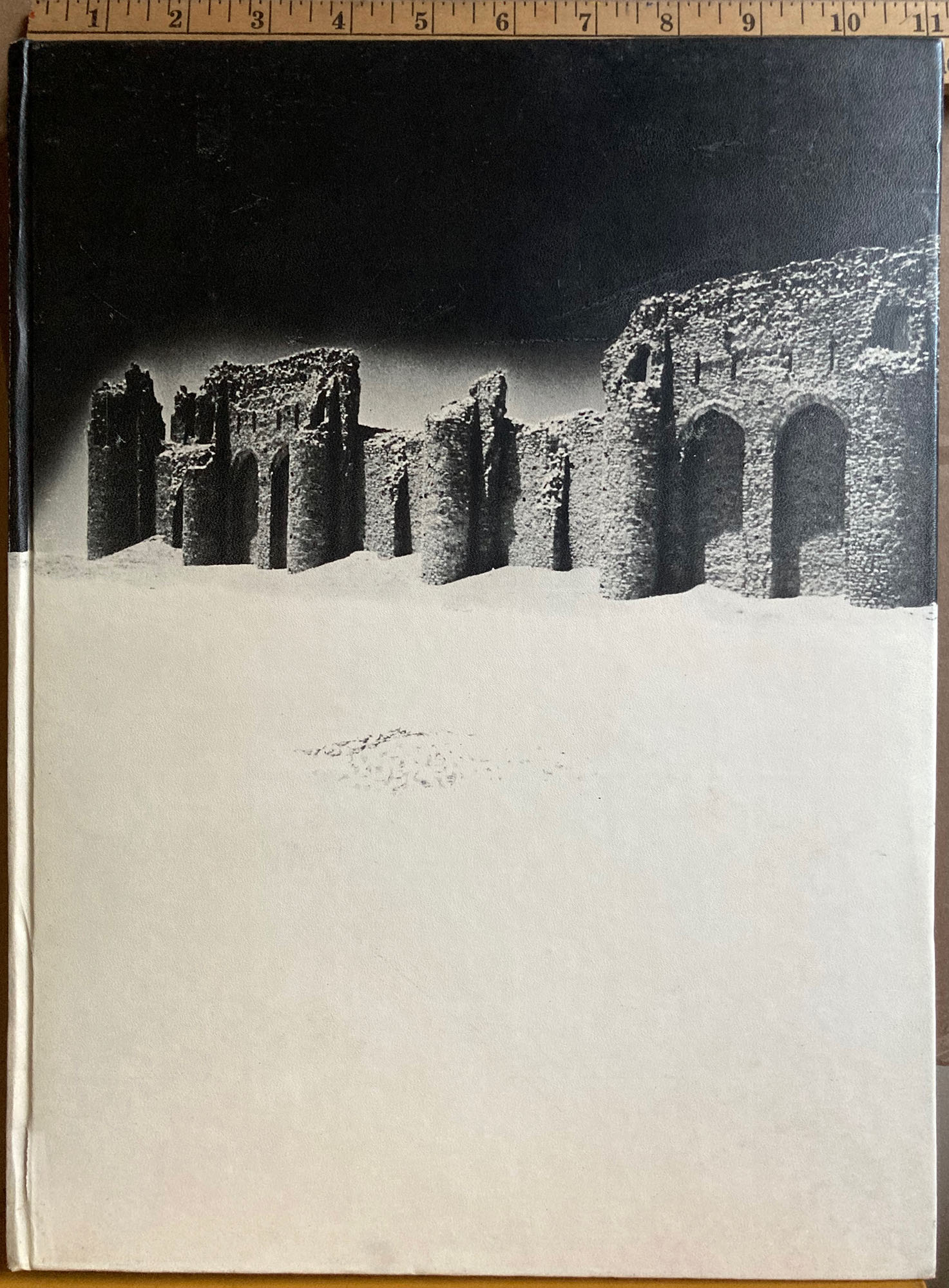
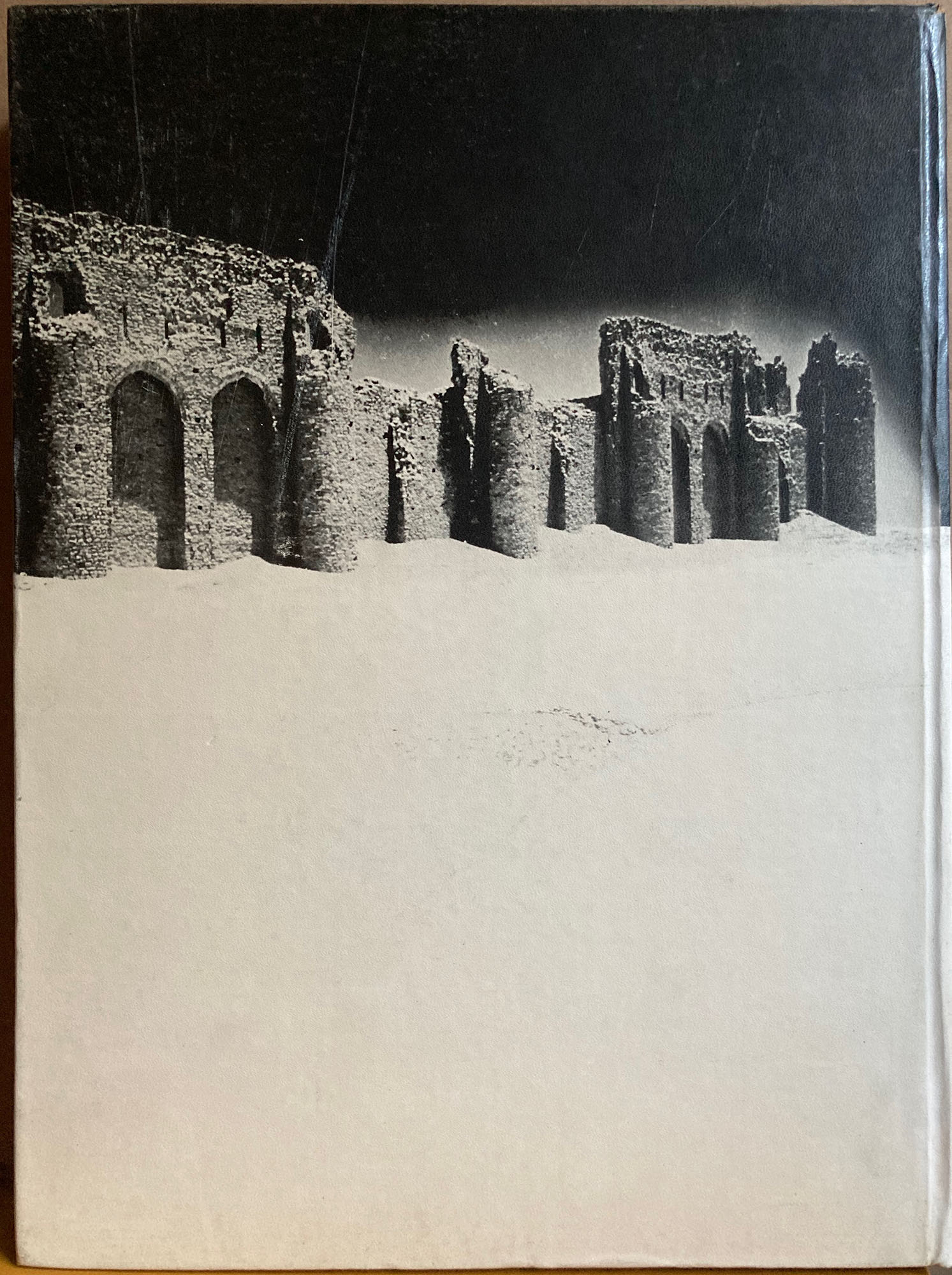
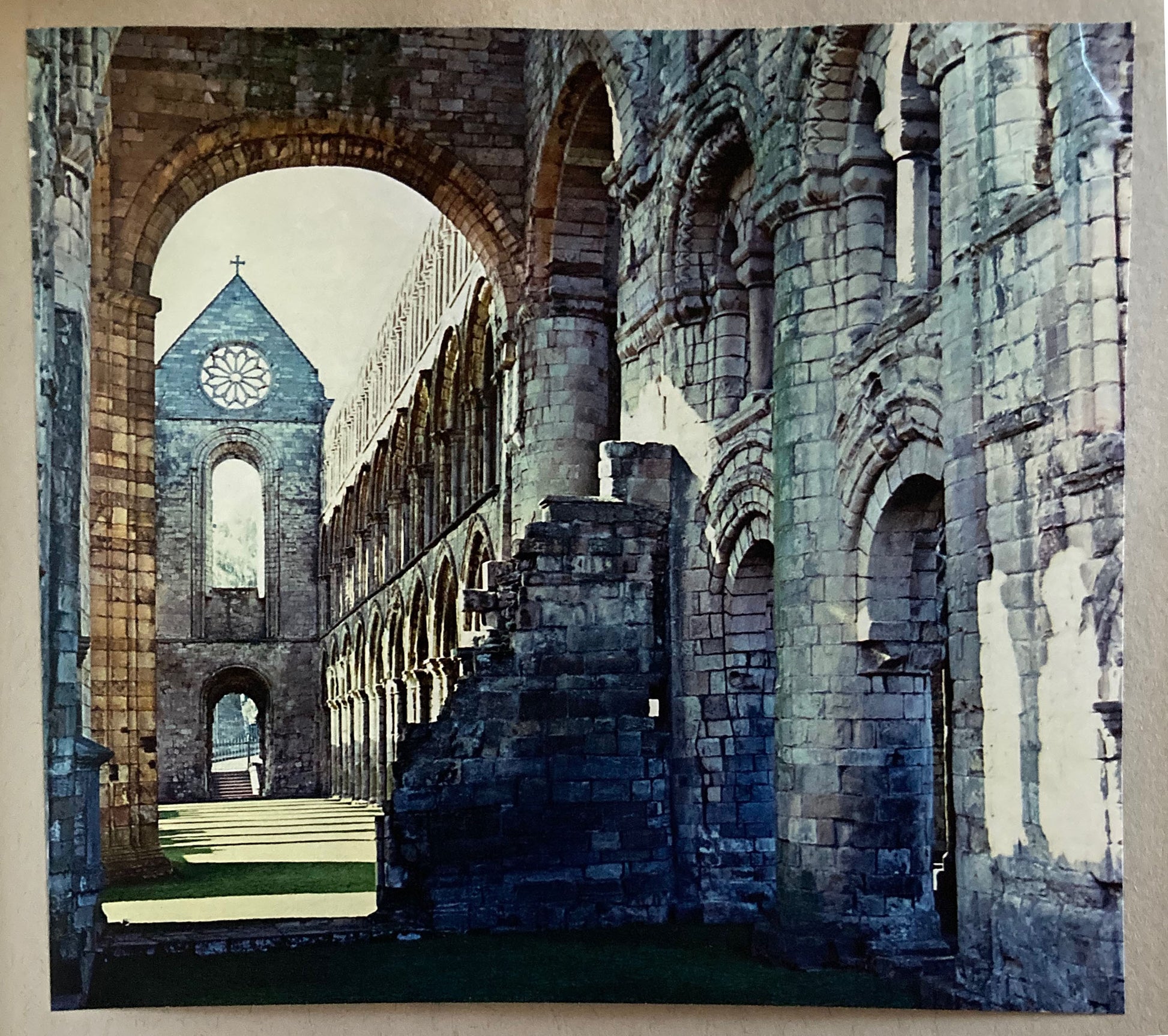
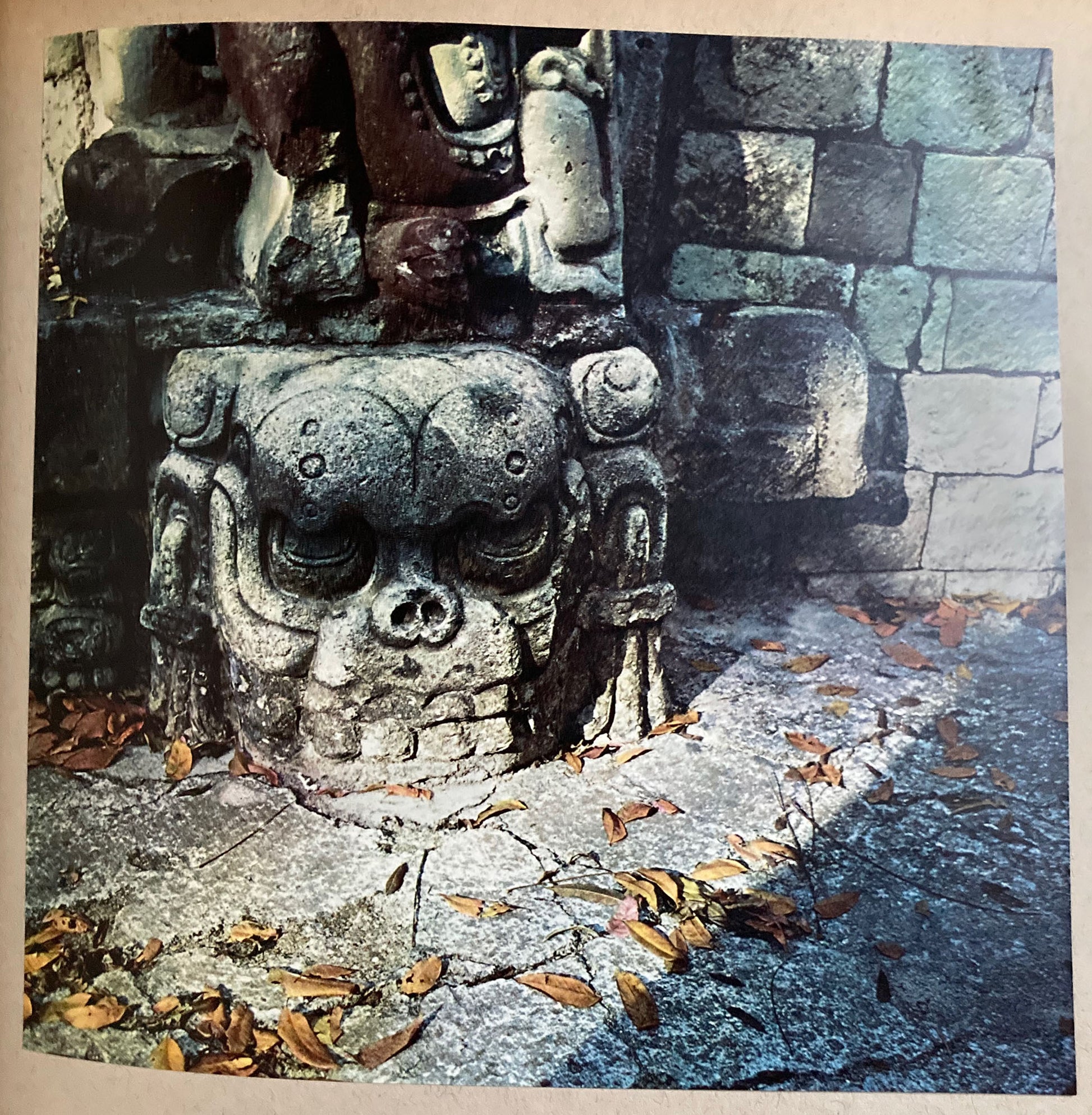
Thames and Hudson, 1966. First edition, hardcover illustrated boards, ex-library, no dust jacket, covers very good with some shelf wear. Custom made polyester jacket. Rear flyleaf has scuffs where card pocket removed. Corner crease on second page after front flyleaf. Top of spine has some wear. 12 tipped in color plates plus excellent full page monochrome reproductions in photogravure and 29 maps and plans. Archaeological sites photographed by Beny in Turkey; Iraq; Cyprus; Burma; Honduras; Cambodia; Guatemala; Greece; India; England; Syria; Lebanon; Ireland; Mexico; Scotland; Italy; Haiti; Jordan; Libya; Macao; Peru; Wales; Sri Lanka; Yugoslavia, et al. 14 x 10.5 inches, heavy book. Later reprinted and revised in 1966 and 1977. Summary:
The Pleasure of Ruins (1966) is a lavish, collaborative masterpiece that pairs the evocative travel prose of British novelist Rose Macaulay with the cinematic, wide-angle photography of Canadian artist Roloff Beny. The book is an aesthetic and philosophical exploration of why humanity is perpetually drawn to the "stately debris" of fallen civilizations.
Core Themes and Artistic Approach
-
The Aesthetics of Decay: Rather than a dry archaeological survey, the book focuses on the emotional impact of ruins. It explores "ruin-pleasure"—the mix of melancholy, awe, and romanticism felt when viewing sites like Palmyra, Angkor Wat, or the Roman Forum.
-
Beny’s Visual Grandeur: Roloff Beny was known for his "eclectic eye" and high-contrast, dramatic compositions. He often used unconventional angles and stark lighting to make ancient stone appear as if it were still vibrating with the spirits of the past.
-
Macaulay’s Literary Context: The text (originally published in 1953 and expanded for this edition) provides a scholarly yet poetic history of ruin-hunting, from the Renaissance "Grand Tour" to the modern traveler.
Technical and Visual Significance
-
Interplay of Media: The 1966 edition is famous for its high-quality gravure printing and the inclusion of hand-tipped plates and transparent overlays, which were designed to give the reader a tactile, "Extra Finish" experience similar to the fine art folios of the 19th century.
-
Global Scope: The book spans the globe, from the jungles of Central America to the deserts of the Middle East, treating every ruin with a consistent sense of "monumental silence."
- Roloff Beny (1924–1984) was an acclaimed Canadian photographer, painter, and printmaker best known for his opulent, large-format photo books documenting the art, architecture, and landscapes of ancient civilizations and world cultures. Born Wilfred Roy Beny in Medicine Hat, Alberta, he studied fine arts and art history at the University of Toronto and the State University of Iowa, initialing a career as a celebrated modernist painter and printmaker before fully embracing photography in the 1950s. Settling in Rome, Beny spent decades traveling extensively across Europe, Asia, and the Middle East, producing grand photographic volumes such as A Time of Gods (1962), To Every Thing There Is a Season(1967), and Persia: Bridge of Turquoise (1975). Renowned for his painterly composition, dramatic use of light, and luxurious book design, Beny captured timeless historical monuments and natural vistas with an aesthetic sensibility that earned him international acclaim, prestigious publishing awards, and a permanent legacy enshrined through the Roloff Beny Foundation.