Gary Saretzky Photo Books
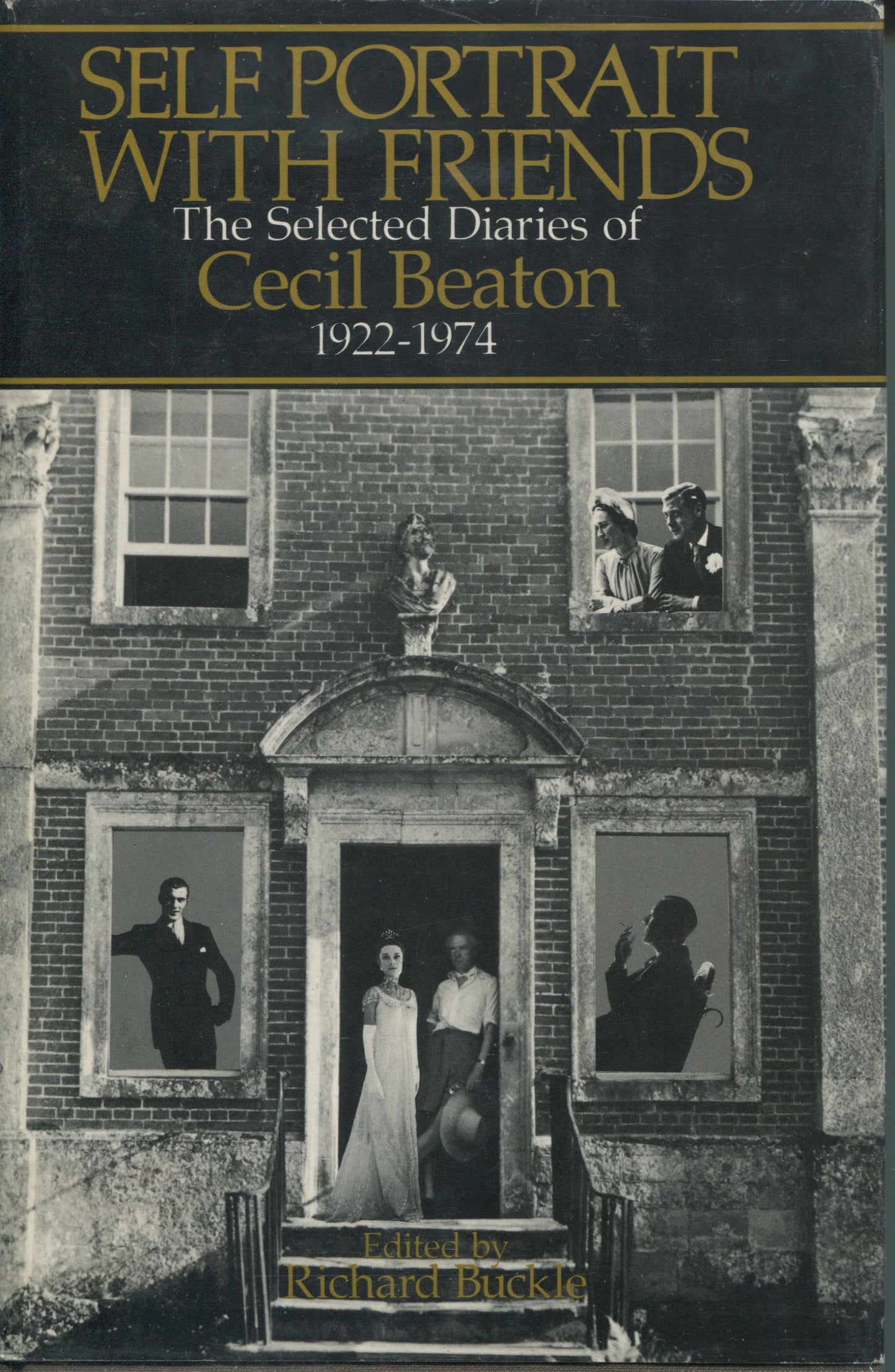
Beaton, Cecil. Self Portrait with Friends. The Selected Diaries of Cecil Beaton 1922–1974. Edited by Richard Buckle.
Beaton, Cecil. Self Portrait with Friends. The Selected Diaries of Cecil Beaton 1922–1974. Edited by Richard Buckle.
Impossible de charger la disponibilité du service de retrait
Times Books, 1979. First U.S. edition. Very good in hardcover with price-clipped protected dust jacket that has a bit of wear at top of spine. 435 pages including index. Illustrations in black-and-white with Beaton’s portraits and some of the photographer himself. Includes Beaton’s impressions of many well known people, including the British royal family, Winston Churchill, Eleanor Roosevelt, Pablo Picasso, Francis Bacon, Edith Sitwell, Gertrude Stein, Evelyn Waugh, Truman Capote, Noel Coward, Lawrence Olivier, Mick Jagger, and many others. Summary:
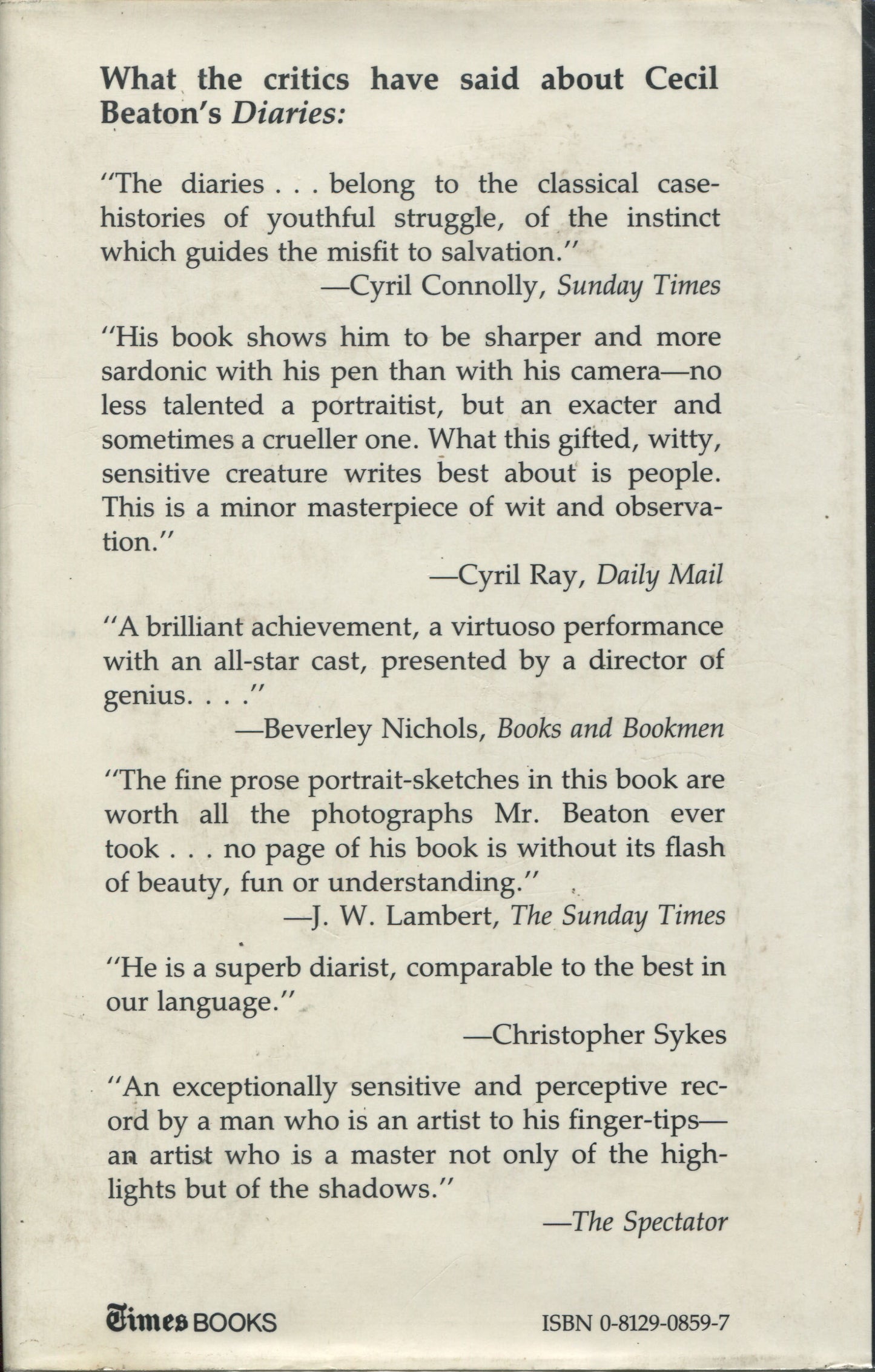
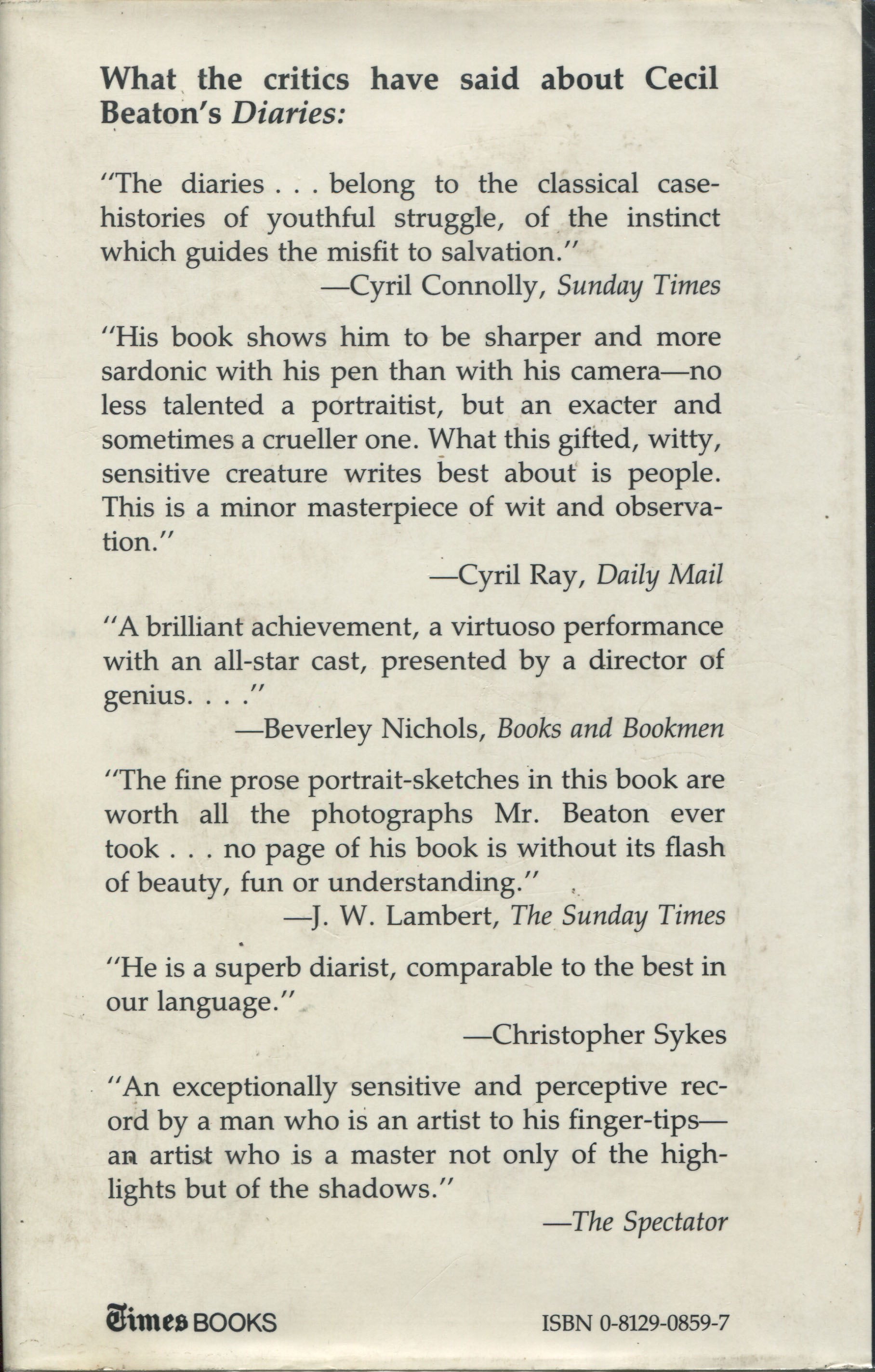
Self Portrait with Friends: The Selected Diaries of Cecil Beaton 1922–1974 (1979), edited by Richard Buckle, is a curated journey through the private thoughts of one of the 20th century’s most prolific polymaths. As a photographer, stage designer, and man-about-town, Cecil Beaton used his diaries to document the "theatre of life," offering a candid, often caustic, and deeply aestheticized account of the era’s most influential figures.
Core Themes and Narrative
-
The "Artifice" of the Self: Beaton was obsessed with transformation. The diaries track his rise from a "middle-class striver" to a knighted arbiter of taste. He views his own life and those of his "friends"—from Greta Garbo to the British Royal Family—as a series of carefully constructed performances.
-
The Vulnerable Observer: Despite his reputation for acerbic wit and "social climbing," the diaries reveal a man of profound insecurity and loneliness. He writes with heartbreaking honesty about his aging, his artistic failures, and his unrequited passions.
-
A Half-Century of Change: The book serves as a cultural time capsule, moving from the "Bright Young Things" of the 1920s through the grim realities of World War II, and into the psychedelic 1960s and 70s. Beaton is the ultimate witness to the "Old World" dissolving into the "New."
Visual and Technical Scope
-
The "Stage-Managed" Portrait: Beaton’s diaries often describe the labor behind his famous photographs—the struggle to arrange drapery, find the right light, and manage the egos of his subjects. He sought to elevate the portrait of the sitter into a mythic realm.
-
The Designer’s Eye: The text is rich with descriptions of costume and set design (notably for My Fair Lady), demonstrating how his photographic "eye" was inextricably linked to his sense of physical space and historical "flavor."
- Sir Cecil Beaton (1904–1980) was a celebrated British fashion photographer, portraitist, war photographer, and Oscar-winning stage and costume designer whose theatrical aesthetic defined mid-20th-century glamour and high society. Born in Hampstead, London, and educated at St John's College, Cambridge, Beaton launched his career photographing the Bright Young Things of 1920s London before securing staff positions at Vogue and Vanity Fair, where he pioneered opulent, stylized portraiture using cellophane, mirrors, and elaborate backdrops. During World War II, serving as an official photographer for the Ministry of Information, he dramatically shifted toward sobering documentary work, producing over 7,000 photographs of war-torn Britain, North Africa, and East Asia, including an iconic 1940 Lifemagazine cover featuring a injured young girl holding a teddy bear in a London hospital. Appointed official photographer to the British Royal Family—notably capturing Queen Elizabeth II's 1953 coronation—Beaton seamlessly pivoted to film set and costume design, winning three Academy Awards for his costume and art direction work on Gigi (1958) and My Fair Lady (1964), leaving behind a vast artistic legacy knighted shortly before his death.