Gary Saretzky Photo Books
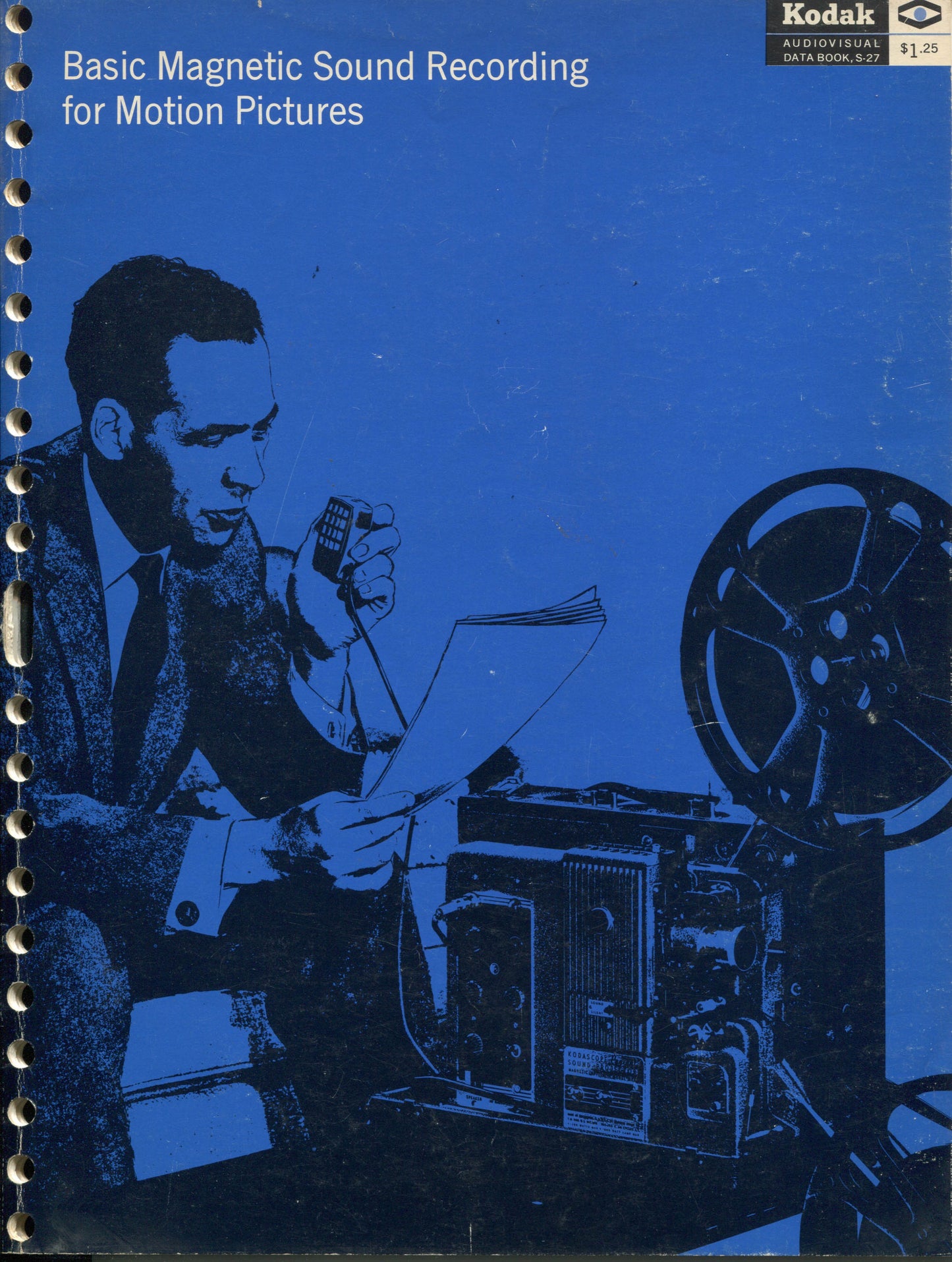
Basic Magnetic Sound Recording for Motion Pictures. Kodak Data Book S-27. Third Edition.
Basic Magnetic Sound Recording for Motion Pictures. Kodak Data Book S-27. Third Edition.
Impossible de charger la disponibilité du service de retrait
Eastman Kodak Co., 1969. 41 pages. Chapters include Basic Equipment, Script Preparation, Shooting for Sound, Basic Recording Techniques, Recording with the Microphone, Narrating, Recording Studio, Editing for and with Sound, Photographic Sound Prints from Magnetic Sound Films, and The Care and Handling of Magnetic Sound Films. Summary:
Basic Magnetic Sound Recording for Motion Pictures (Kodak Publication S-27) is a technical manual produced by the Eastman Kodak Company. The Third Edition, published in 1969, served as the definitive "field bible" for filmmakers transitioning from optical sound to the superior fidelity of magnetic recording.
Technical Focus
The manual provides a comprehensive look at the physics and mechanics of "striped" motion picture film. Key technical areas include:
-
Magnetic Striping: Explanations of how a thin coating of iron oxide is applied to 8mm, 16mm, or 35mm film stock to allow for high-quality audio synchronization.
-
Recording Mechanics: Detailed instructions on the function of recording heads, bias current, and the importance of maintaining constant film speed to avoid "wow and flutter."
-
Sound Mixing and Dubbing: Practical workflows for layering narration, music, and sound effects onto a single magnetic track.
Practical Applications
Designed for both professional cinematographers and advanced amateurs, the book offers "how-to" guidance on:
-
Microphone Placement: Optimizing audio capture in various acoustic environments.
-
Editing Techniques: How to cut and splice magnetic-striped film without causing audible "pops" or losing synchronization.
-
Maintenance: Crucial routines for cleaning recording equipment and preventing the accidental degaussing (erasure) of finished soundtracks.
Significance
In the history of cinema technology, this Data Book represents the era when synchronized sound became accessible to independent and industrial filmmakers. It demystified the science of magnetic audio, allowing for a level of sound quality and creative flexibility that was previously restricted to major Hollywood studios using expensive optical processes.