Gary Saretzky Photo Books
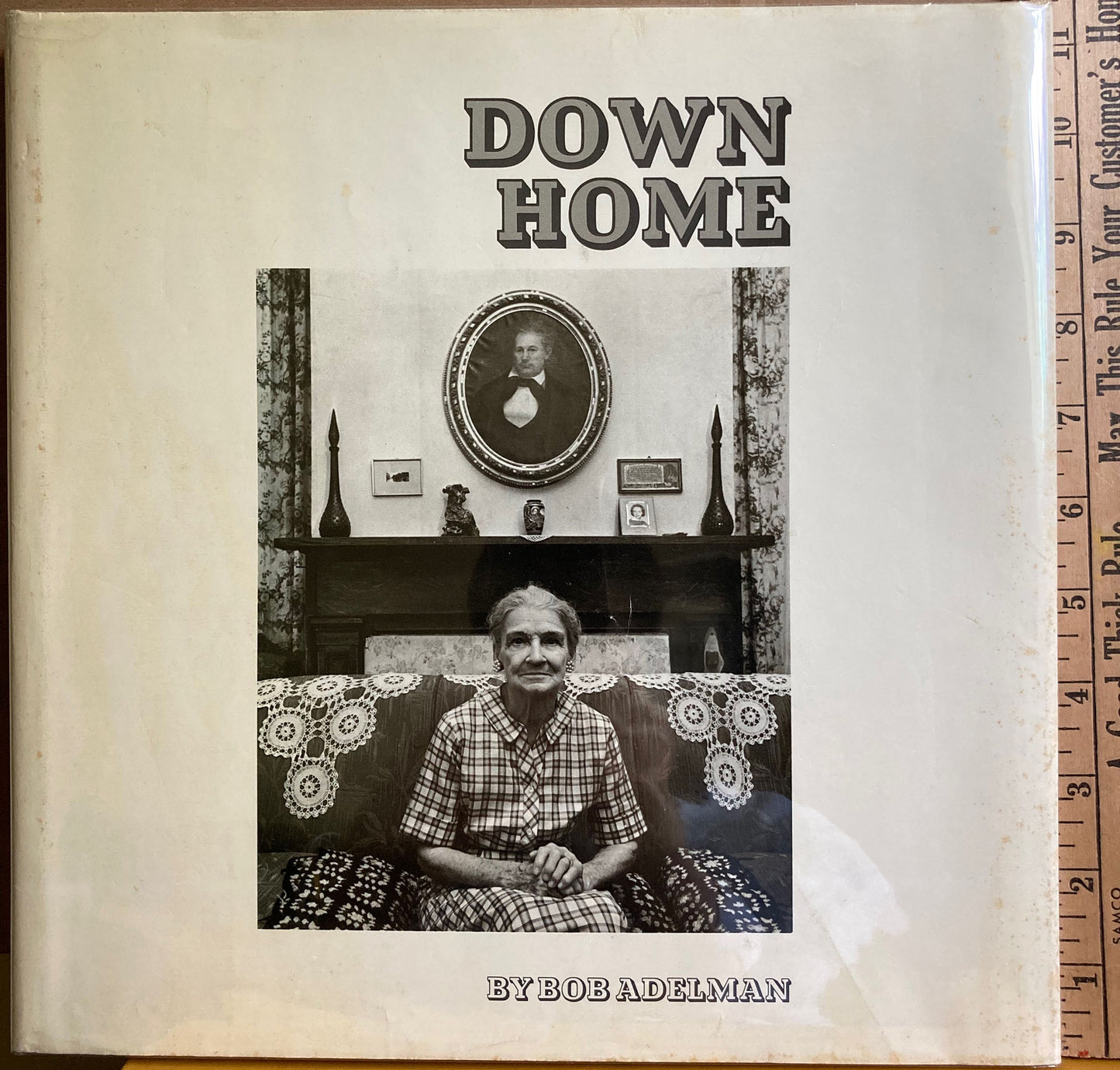
Adelman, Bob. Down Home by Bob Adelman. Documentary Photography.
Adelman, Bob. Down Home by Bob Adelman. Documentary Photography.
Impossible de charger la disponibilité du service de retrait
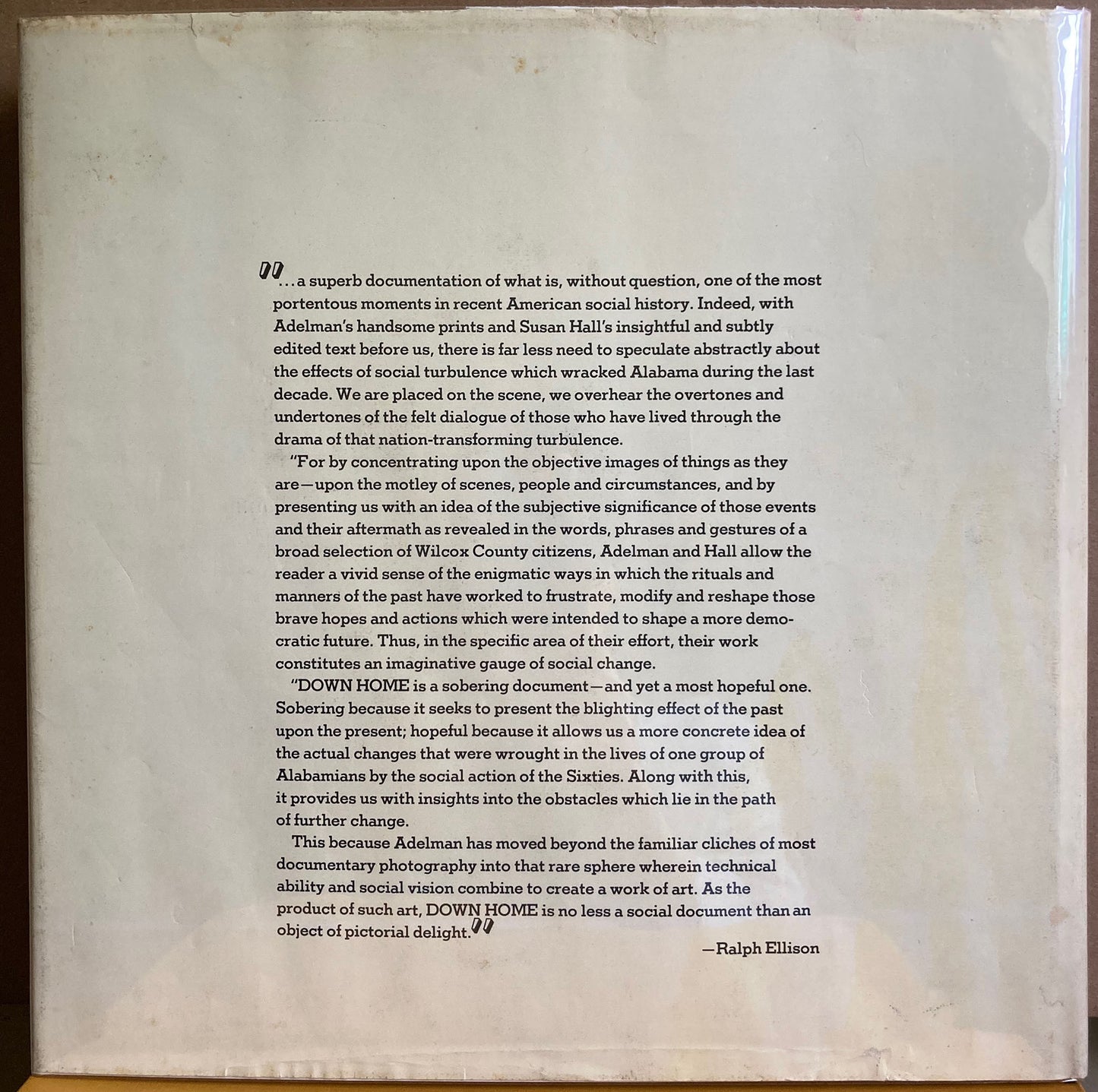
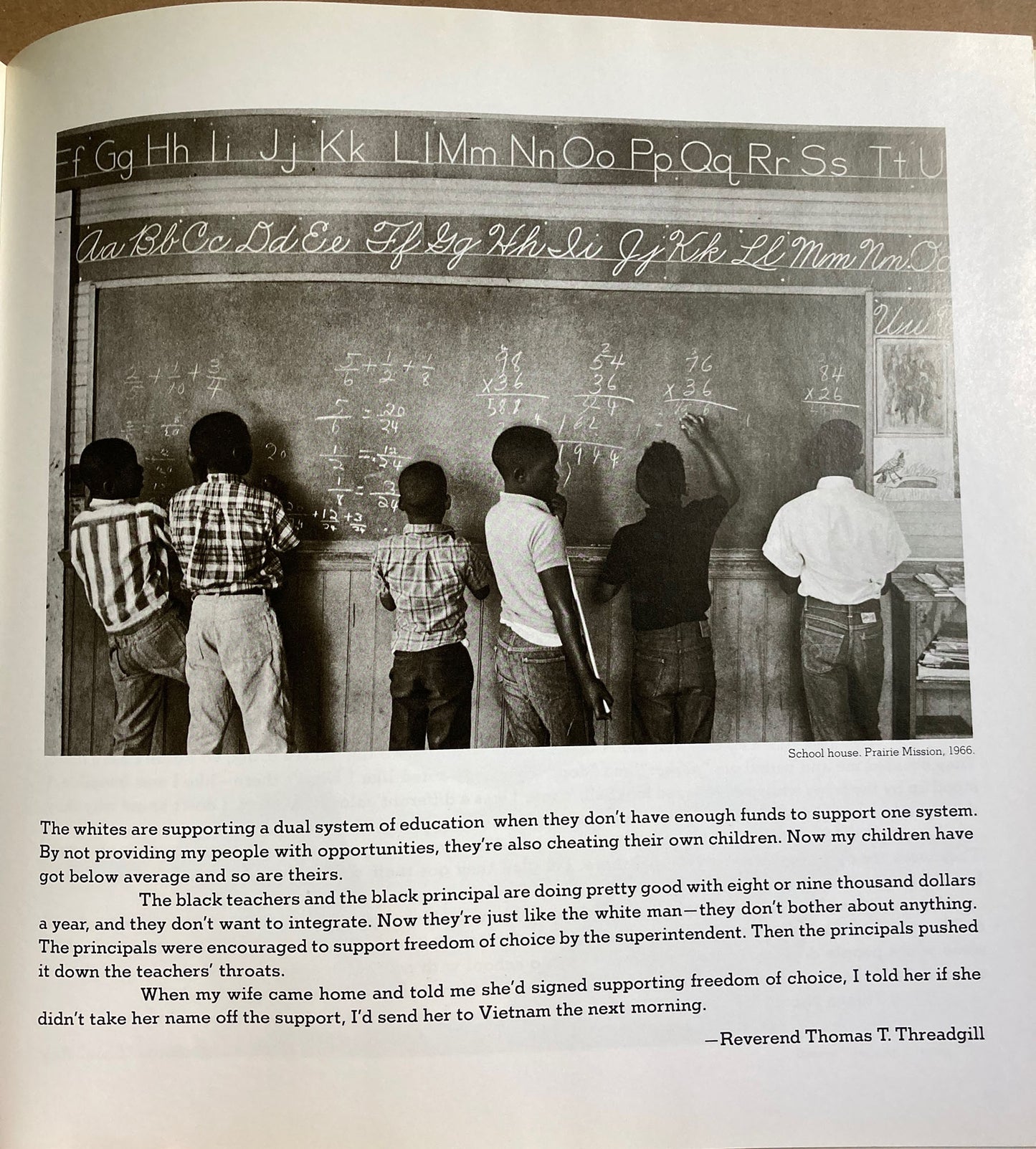
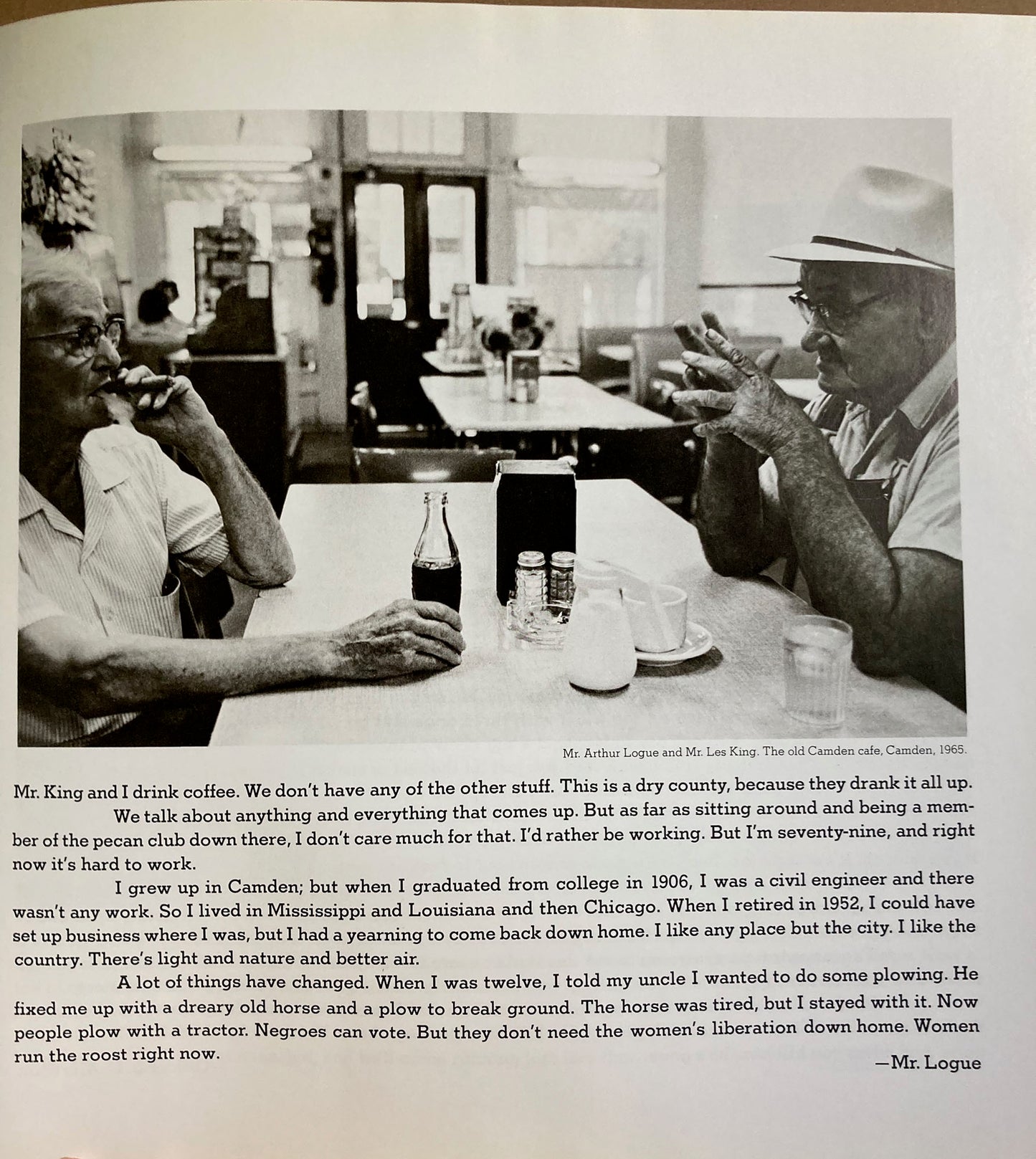
McGraw Hill/Prairie House, 1972. First edition, near fine with very good protected dust jacket that has some light spotting along edges. A documentary photography book about Camden, Georgia, with captions by the people photographed. Longer texts by Eugene Witherspoon, Reverend Thomas T. Threadgill, Mayor Reg Albritton, Charles McCarthy, Angus Gardner, Hollis Curl, Bruce and Mary Lowe, et al. Includes both white and African American subjects, arranged in chapters such as Family, Politics, Religion, School, etc. Texts edited by Susan Hall. Large square format with black and white photos. Interesting comparison with Bourke-White and Caldwell’s You Have Seen Their Faces. An award winning photojournalist, Robert Melvin "Bob" Adelman (October 30, 1930 – March 19, 2016) was an American photographer known for his images of the civil rights movement. Summary:
Down Home is a powerful photographic study of Wilcox County, Alabama, captured by photojournalist Bob Adelman over a five-year period in the 1960s. It serves as a visceral "biography" of a segregated Southern community during the height of the Civil Rights Movement.
Key Themes and Content
-
The Paradox of Place: Adelman captures the stark contrast between the extreme poverty of the Black community and the entrenched, often defensive wealth of the white elite.
-
The Civil Rights Struggle: The book documents the local transition from a feudal-like social structure to the birth of political activism, including voter registration drives and the presence of figures like Martin Luther King Jr.
-
Humanity Over Stereotype: Rather than focusing solely on conflict, Adelman includes intimate portraits of daily life—church services, funerals, and domestic scenes—that provide a nuanced look at the people behind the headlines.
-
Sociological Depth: The photographs are accompanied by raw, unedited commentary from the county’s residents, allowing the subjects to speak for themselves and revealing the deep-seated racial attitudes of the era.
Impact
Adelman’s work is widely praised for its lack of sentimentality. It doesn't just show "the struggle"; it maps the entire social ecosystem of a town caught between a rigid past and an uncertain, changing future.
Bob Adelman (1930–2016) was an American photojournalist best known for his landmark images documenting the Civil Rights Movement. Born in Brooklyn, New York, he studied philosophy and aesthetics at Columbia University and trained in photography under former Harper's Bazaar art director Alexey Brodovitch. In the early 1960s, Adelman volunteered his photography services to activist organizations like the Congress of Racial Equality (CORE) and the Student Nonviolent Coordinating Committee (SNCC). His empathetic, close-up camera work captured defining historic events, including the 1963 March on Washington, the Selma to Montgomery marches, and iconic portraits of Dr. Martin Luther King, Jr. Beyond civil rights, Adelman spent six decades chronicling various social issues—such as urban poverty and street life—and documented prominent Pop Art figures like Andy Warhol and Roy Lichtenstein, authoring or contributing to more than 50 photo books during his career.