Gary Saretzky Photo Books
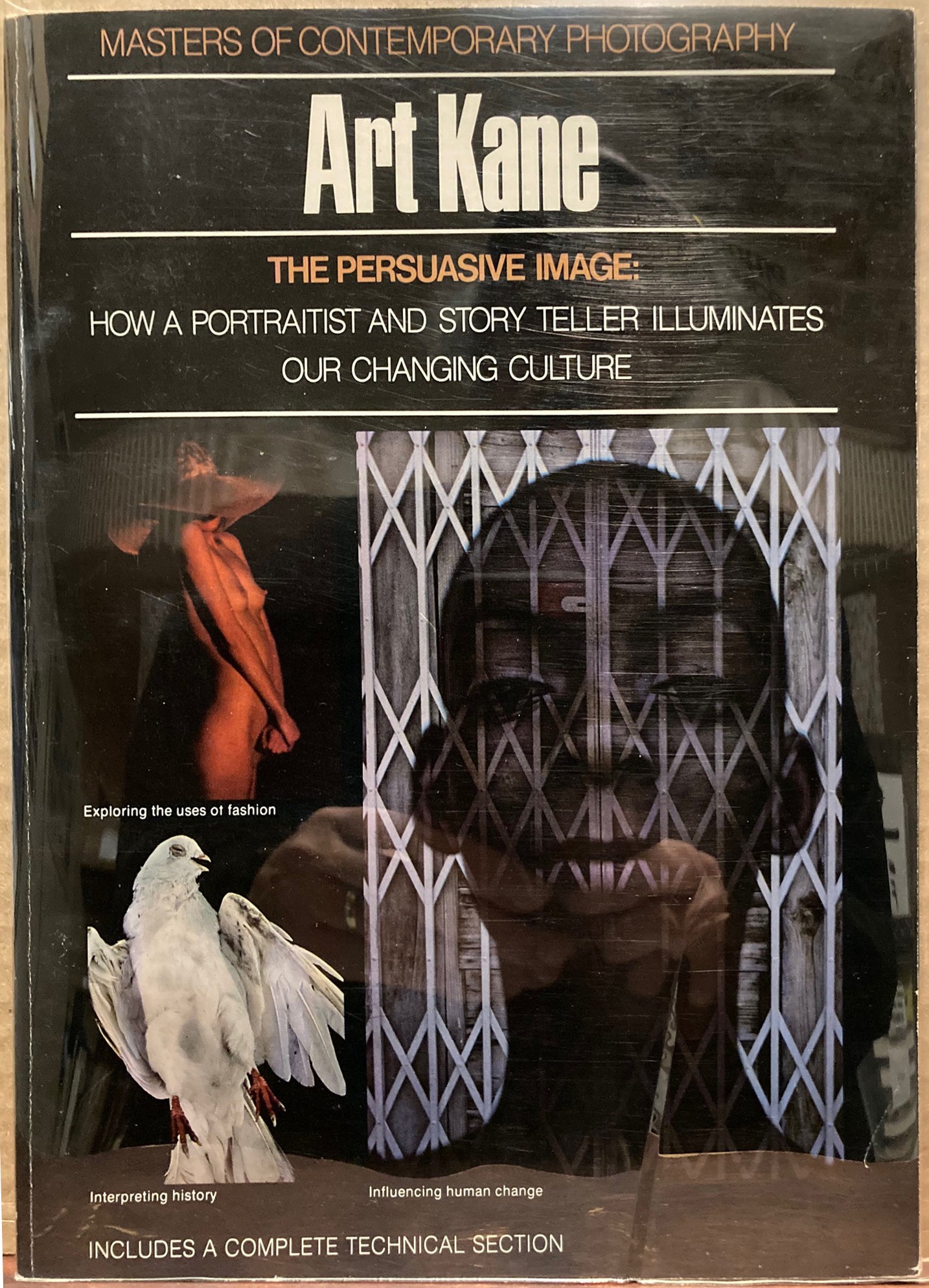
Kane, Art. Art Kane. The Persuasive Image. . . . by John Poppy.
Kane, Art. Art Kane. The Persuasive Image. . . . by John Poppy.
Impossible de charger la disponibilité du service de retrait
Alskog, 1975. Masters of Contemporary Photography Series. [Kane (1925-1995) was a well-known American fashion and music photographer active from the 1950s through the early 1990s.] Wraps with custom made 4-mil polyester jacket. Very good. Summary:
rt Kane: The Persuasive Image (published in 1975 by Alskog Books and Thomas Y. Crowell Company) is an influential 95-to-96-page biographical monograph and technical retrospective written by journalist John Poppy in collaboration with the editors of Alskog, Inc. Released as part of the acclaimed Masters of Contemporary Photography series, the book explores the bold vision of visionary American photographer Art Kane, tracking how his conceptual approach revolutionized mid-century editorial design, fashion, and portraiture.
Core Themes and Content
-
The Concept as the Ultimate Core: A central pillar of the monograph is Kane's philosophy that a photograph must begin with a strong, definitive idea rather than a passive observation. Poppy traces Kane's background as an art director, explaining how his transition to behind the lens allowed him to treat the photographic frame as a canvas for visual storytelling, utilizing bold metaphors to illustrate complex social and cultural narratives.
-
Icons of the Counterculture: Visually, the volume showcases Kane's definitive portraiture of the 1960s and 1970s rock music explosion. The curated layout includes his iconic imagery of seminal counterculture figures, capturing the raw, theatrical essence of performers like Bob Dylan, The Who, Cream, and Jim Morrison, which helped visually define the identity of an entire generation.
-
Technical Innovation and the Master Section: True to the format of the Masters of Contemporary Photographyseries, a highly technical portion of the book breaks down Kane's distinct visual signature. Poppy analyzes Kane's pioneering use of high-saturation 35mm Kodachrome film, ultra-wide-angle lenses, stark forced perspectives, and intricate sandwiching techniques—the process of layering multiple color slides together to create surreal, double-exposure imagery in a pre-digital era.
-
Illuminating a Changing Culture: The narrative positions Kane not merely as a commercial shooter, but as an active cultural commentator. From his legendary 1958 jazz portrait "A Great Day in Harlem" to his vivid fashion spreads and provocative editorial assignments, the book illustrates how Kane's vivid imagery consistently challenged traditional advertising standards and pushed fine art into the mainstream media landscape.
By blending personal biography with detailed behind-the-scenes production data, The Persuasive Image stands as an invaluable record of Art Kane's legacy, demonstrating how a fiercely imaginative and disciplined graphic eye could transform commercial photography into a powerful form of cultural persuasion.
Art Kane (born Arthur Kanofsky; 1925–1995) was a visionary American photographer whose bold, highly conceptual approach revolutionized mid-century editorial design, fashion, and portraiture. Born in New York City, Kane attended the Cooper Union School of Art and Architecture and served in the United States Army's deceptive "Ghost Army" unit during World War II before becoming the art director for Seventeen magazine at just 26 years old—making him one of the youngest art directors of a major publication at the time. Driven to explore his own photographic vision, he studied under the legendary Alexey Brodovitch and exploded into the public consciousness with his very first freelance assignment for Esquire in 1958: a group portrait of 57 jazz legends entitled "A Great Day in Harlem," which is widely considered the most iconic photograph in jazz history. Over the next three decades, Kane came to define the visual identity of the 1960s and 70s counterculture explosion, capturing definitive portraits of rock icons like The Who, Janis Joplin, Bob Dylan, and Jim Morrison, while contributing provocative, high-saturation imagery to leading fashion magazines like Vogue and Harper's Bazaar. Decades before the advent of digital editing, he pioneered innovative darkroom and shooting techniques—such as layering multiple color transparencies to create surreal, double-exposed "sandwich" images—effectively turning photography into a narrative tool of visual illustration. Honored as Photographer of the Year by the American Society of Magazine Photographers in 1964 and awarded their Lifetime Achievement Award in 1984, Kane left behind a profound aesthetic legacy that is preserved today in major permanent collections, including the Museum of Modern Art and the Metropolitan Museum of Art in New York.