Gary Saretzky Photo Books
Coburn, Alvin Langdon.
Coburn, Alvin Langdon.
Impossible de charger la disponibilité du service de retrait
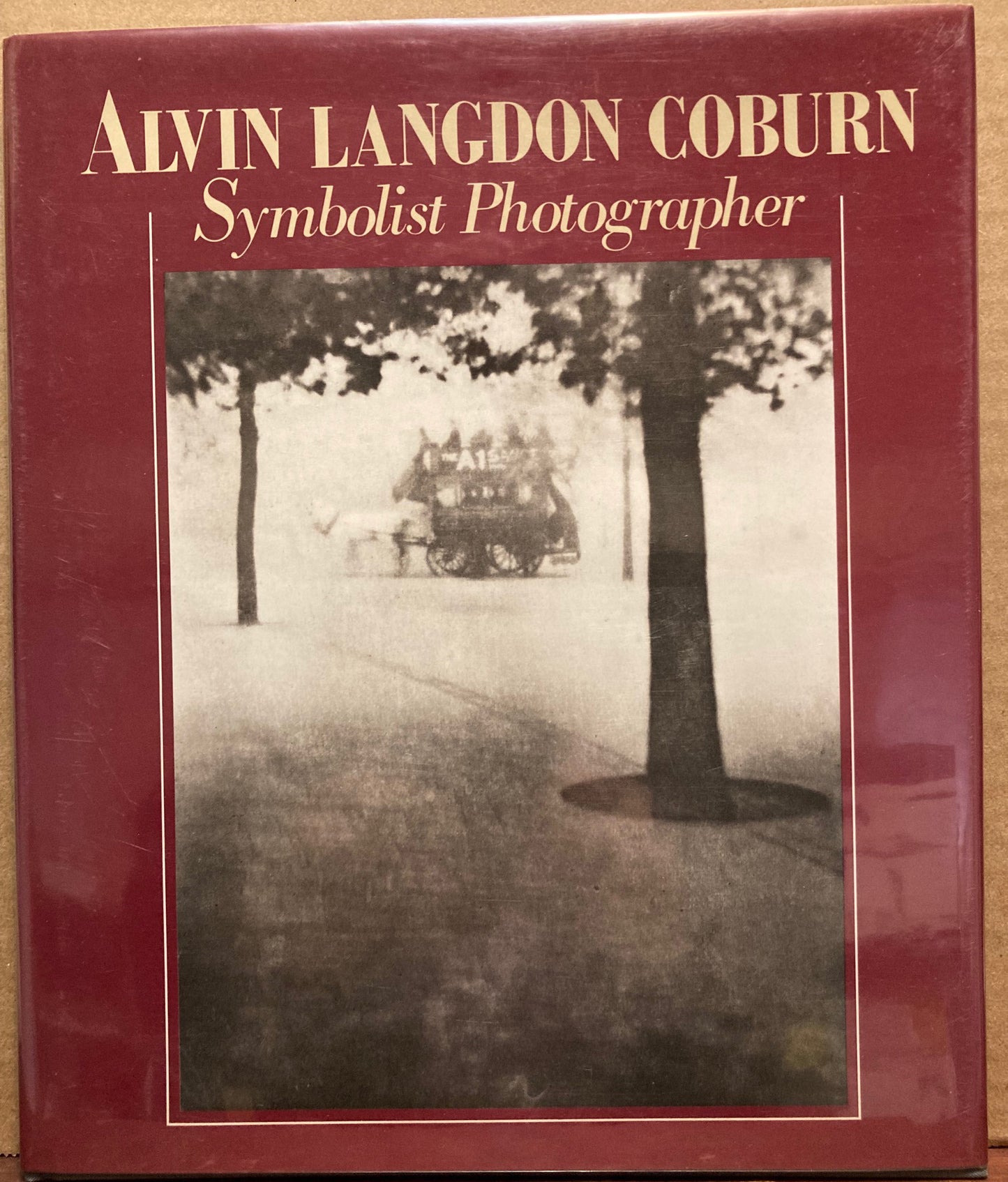
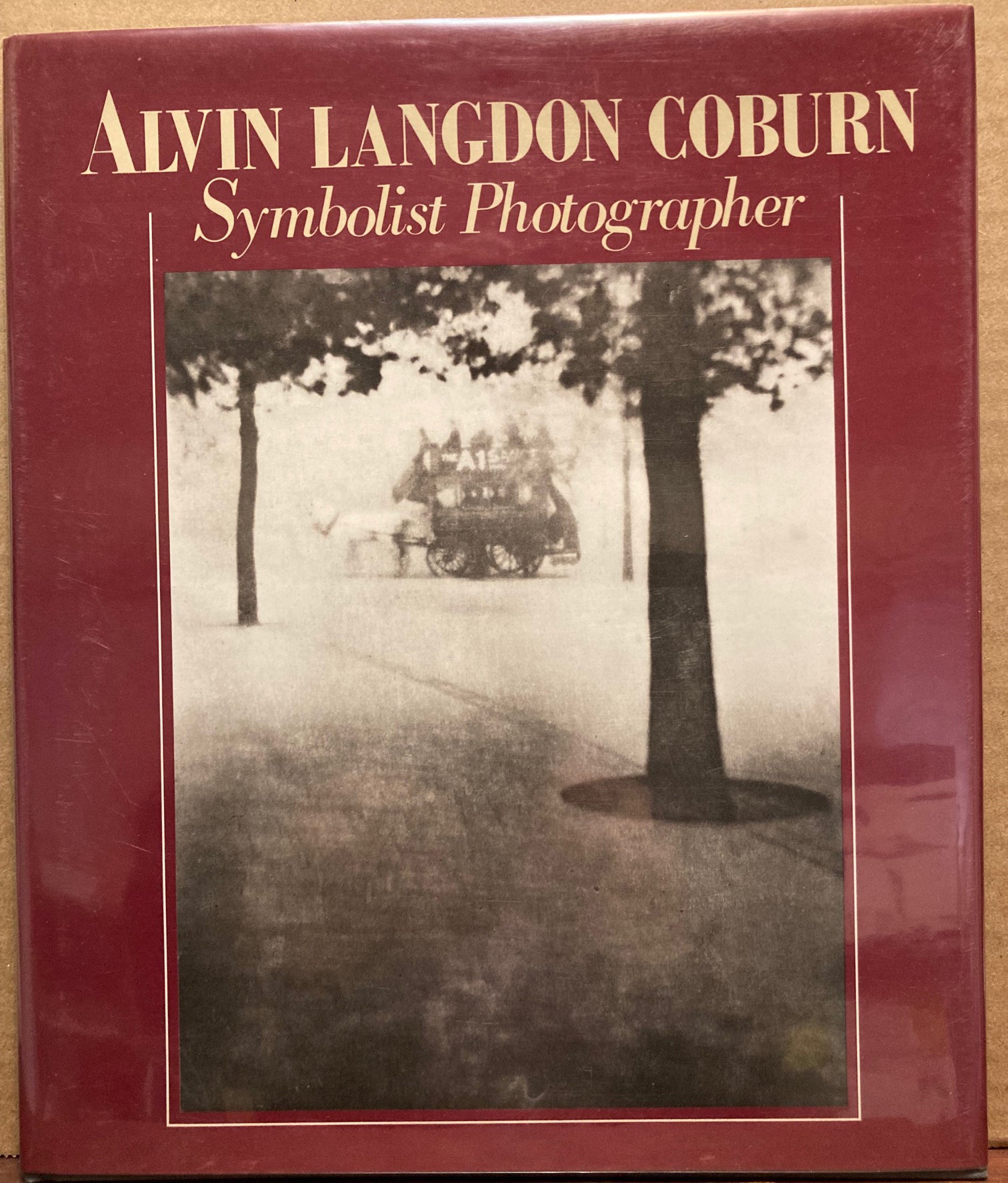
Aperture, 1986. 1st edition, hardcover, clothbound with protected dust jacket, fine/fine. [Coburn was the youngest member of the Photo-Secession and a pioneer in abstract photography.] Summary:
Published by Aperture in 1986 in conjunction with a major retrospective organized by the George Eastman House, Mike Weaver’s monograph re-evaluates Alvin Langdon Coburn not merely as a master technician or key Pictorialist, but as a spiritual seeker whose photography was driven by Symbolist philosophy. Weaver’s essay, "Beyond the Craft," argues that Coburn viewed the camera as a vehicle for metaphysical exploration, moving past conventional representation into the realm of spiritual abstraction and esoteric symbolism.
The book traces Coburn’s artistic evolution through his famous atmospheric landscapes, cityscapes of London and New York, portraits of major literary figures, and pioneering abstract "Vortographs". Weaver frames Coburn’s life and work as a continuous spiritual quest, examining how his deep involvement with Japanese aesthetic principles, Freemasonry, Rosicrucianism, and mystical philosophy directly shaped his visual language. Ultimately, the volume positions Coburn as an essential bridge between late 19th-century Symbolism and 20th-century visual abstraction, demonstrating that his technical innovations—such as photogravure mastery and kaleidoscopic lens design—were always serving a higher spiritual and symbolic purpose.
Alvin Langdon Coburn (1882–1966) was an influential American-born British photographer who played a pivotal role in establishing photography as an autonomous fine art form. Born in Boston, Massachusetts, Coburn picked up a camera at age eight and quickly became a prodigy, associating with leading figures of the Photo-Secession like Alfred Stieglitz and Edward Steichen before moving to Europe in his late teens. Renowned for his soft-focus, atmospheric portraits of literary giants—such as George Bernard Shaw, Henry James, and W.B. Yeats—and his impressionistic cityscapes published in books like London and New York, Coburn constantly pushed technical and aesthetic boundaries. In 1917, through his association with Ezra Pound and the Vorticist movement, he created "Vortographs"—widely recognized as the first purely non-objective, abstract photographs. Shortly after these breakthrough experiments, Coburn increasingly stepped away from commercial and fine-art photography to dedicate his remaining decades to esoteric studies, Freemasonry, and mysticism in Wales. He died in 1966, leaving behind a legacy as one of the 20th century's most innovative and visionary visual artists.