Gary Saretzky Photo Books
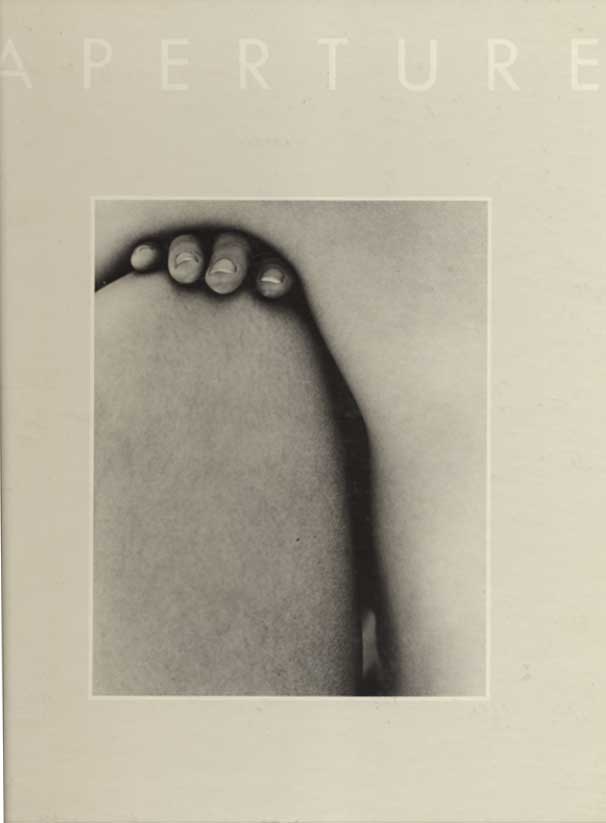
Aperture 79, 1977. Ansel Adams, Walter Chappell, Eikoh Hosoe, et al.
Aperture 79, 1977. Ansel Adams, Walter Chappell, Eikoh Hosoe, et al.
Impossible de charger la disponibilité du service de retrait
From the brief period when Aperture was issued in hardcover only. This issue includes Ansel Adams at his 75th birthday party, with the cake decorated as "Moonrise over Hernandez, New Mexico," and chapters with photos by Walter Chappell (with text by Lee Friedlander); Russell Drisch; Henry Peach Robinson; Eikoh Hosoe (about Ordeal by Roses, with texts by Yukio Mishima); "The Silence of Stones: The Photographer as Artist," by Brewster Ghiselin; and Jerome Liebling.] Very good with a bit of wear on a corner, still a nice copy. Photo is from another similar copy. Summary:
The 1977 issue of Aperture 79 is a celebration of both the longevity of photographic icons and the avant-garde spirit of the late 1970s. It is particularly famous for its opening "Family Portrait" atmosphere, balanced by deep dives into Victorian tradition and Japanese surrealism.
Key Features and Portfolios
-
Ansel Adams’s 75th Birthday: The issue opens with a rare, candid look at Ansel Adams during his milestone birthday celebration. The centerpiece is his iconic birthday cake, which famously featured a reproduction of his most celebrated work, "Moonrise, Hernandez, New Mexico," rendered in icing.
-
Walter Chappell (Text by Lee Friedlander): This chapter features Chappell’s evocative, often spiritual imagery. The inclusion of text by fellow photographer Lee Friedlander provides a unique "artist-on-artist" perspective, highlighting Chappell’s quest for the "essential" form in nature and the human body.
-
Eikoh Hosoe & Yukio Mishima: A significant portion of the issue is dedicated to Hosoe’s seminal series, Ordeal by Roses (Bara-kei). Featuring the celebrated Japanese author Yukio Mishima as the primary subject, the work explores themes of eroticism, death, and theatricality. It includes texts by Mishima himself, written before his ritual suicide, adding a layer of tragic intensity to the imagery.
-
Jerome Liebling: Known for his unflinching documentary eye, Liebling’s portfolio in this issue showcases his ability to find monumental weight in the ordinary—from the textured surfaces of slaughterhouses to the expressive faces of the elderly.
-
Henry Peach Robinson: The issue looks back at the 19th-century master of "combination printing." This historical retrospective examines Robinson’s influence on Pictorialism and his belief that photography should be as composed and narrative as a painting.
-
Russell Drisch: Drisch’s work represents the more experimental, large-scale contemporary trends of the era, often utilizing hand-coloring and unconventional printing techniques to create architectural and botanical illusions.
Philosophical Inquiry
-
"The Silence of Stones: The Photographer as Artist" (Brewster Ghiselin): This landmark essay by the poet and critic Brewster Ghiselin explores the metaphysical side of the medium. He argues that the photographer’s role is to act as a bridge between the material world (the "silence" of objects) and human consciousness, elevating the craft to a high-art form of meditation.
Core Themes
-
Legacy vs. The New: By pairing the 75-year-old Adams and the 19th-century Robinson with the provocative work of Hosoe and Chappell, the issue maps the continuity of the photographic tradition.
-
Subjectivity: A recurring thread is the shift from "taking" a picture to "making" a vision, whether through Hosoe’s surrealist staging or Robinson’s darkroom composites.
-
The Spiritual Lens: The issue leans heavily into the idea of the photographer as an "artist-philosopher," a theme central to the Aperture identity under Michael Hoffman’s editorship.
Significance
Aperture 79 captures a pivotal moment when photography was fully asserting its maturity. It remains a sought-after issue for collectors primarily for its intimate documentation of Ansel Adams and the definitive presentation of Eikoh Hosoe’s dark, baroque collaboration with Mishima.