Gary Saretzky Photo Books
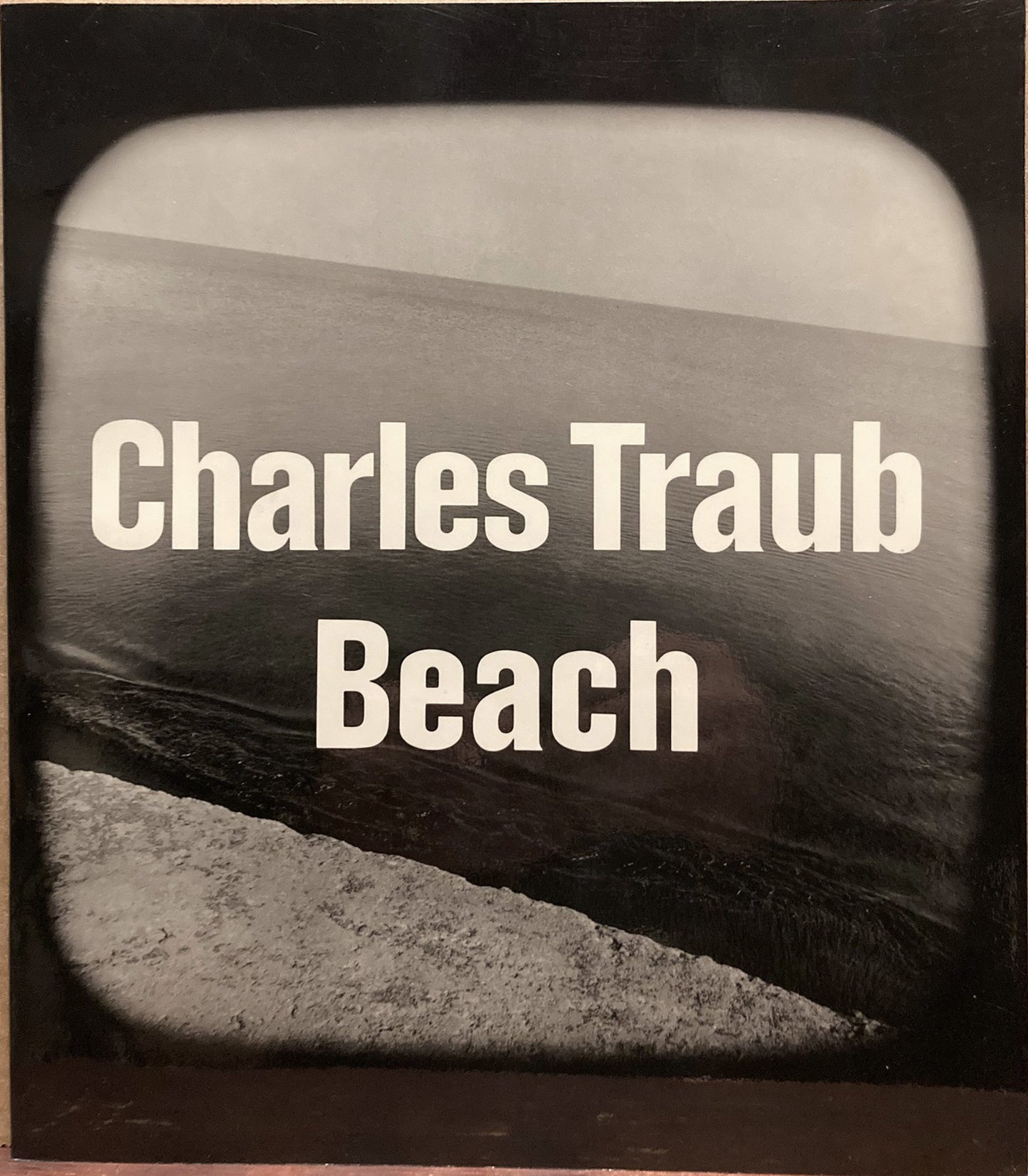
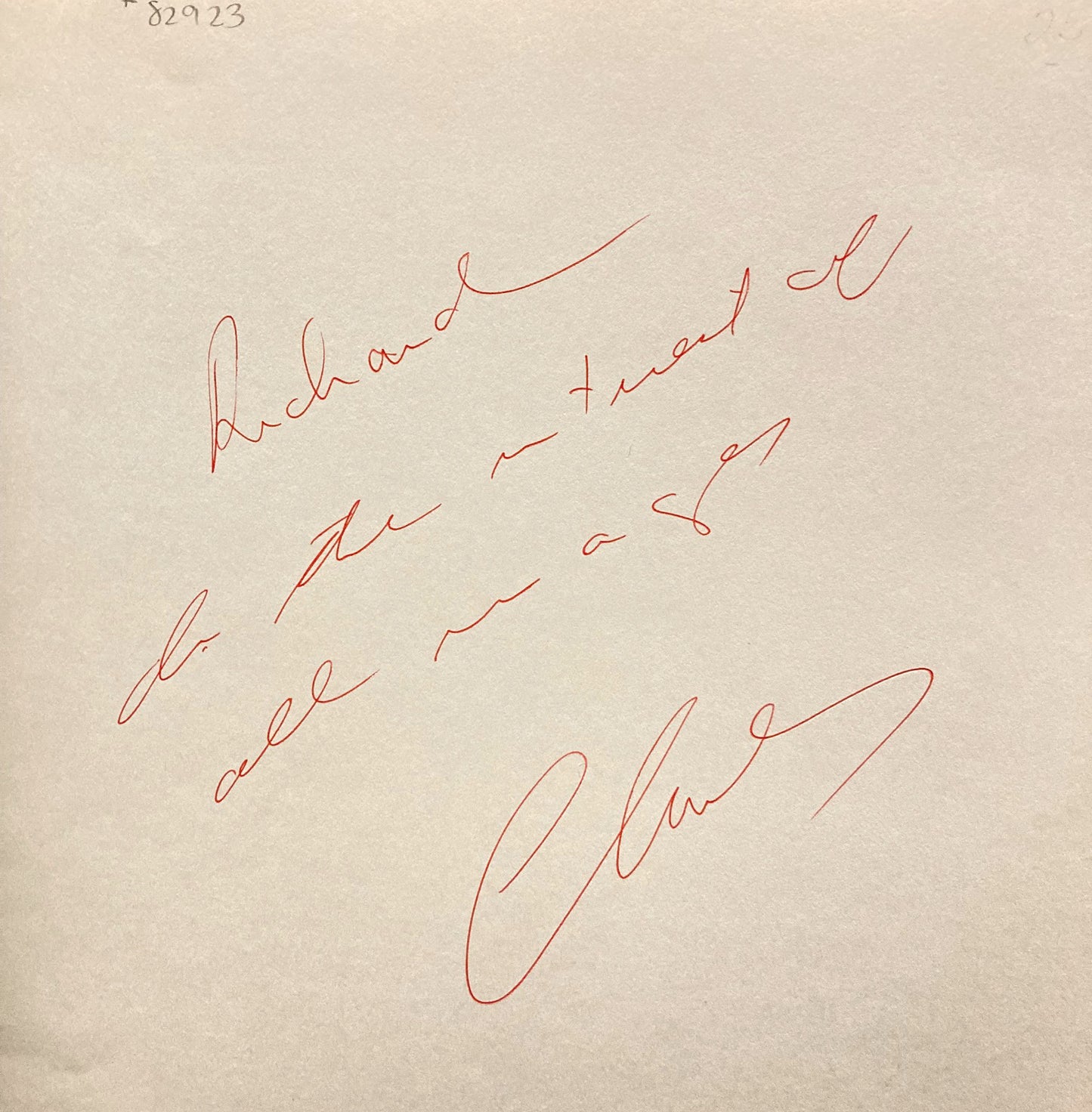
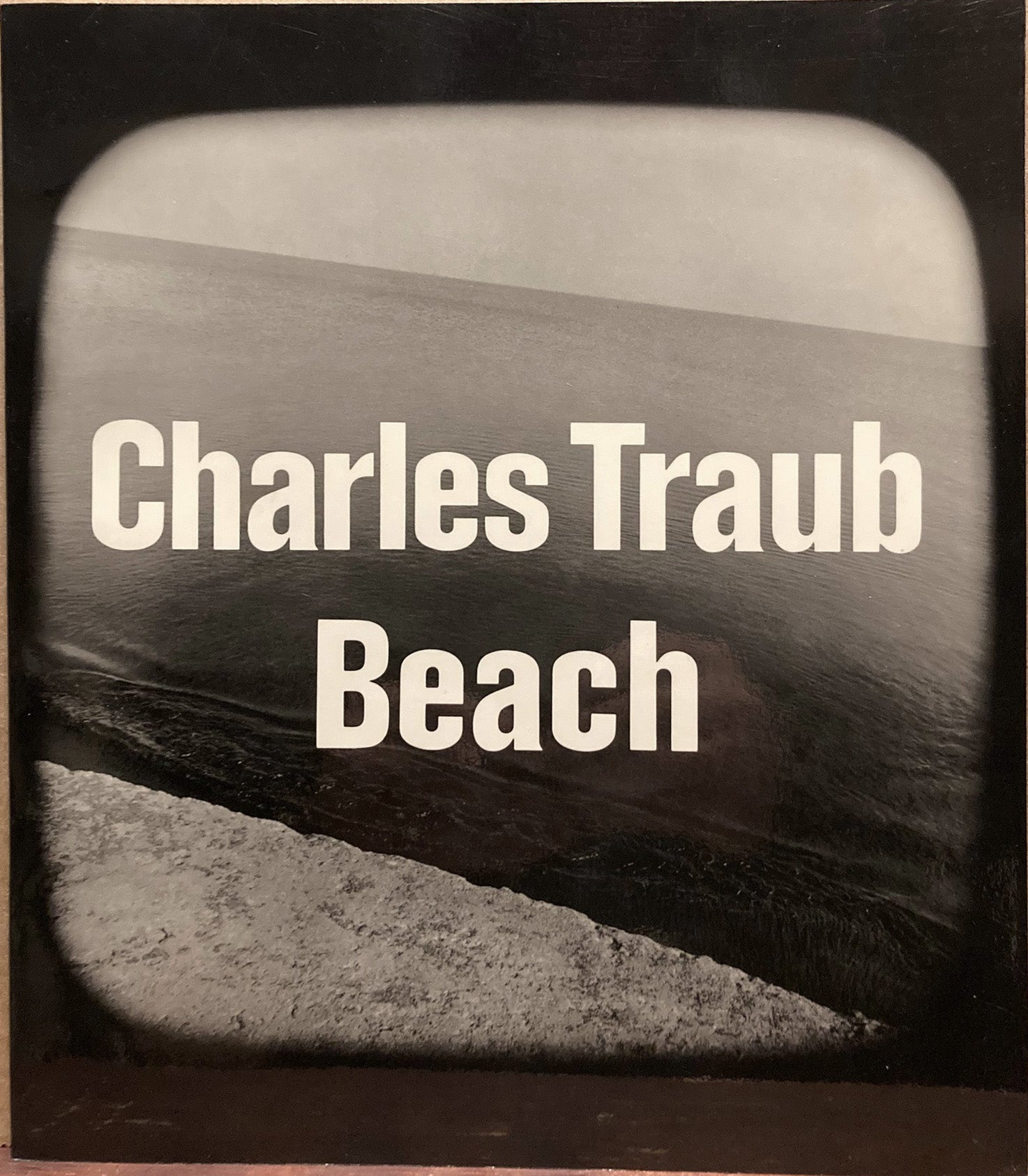
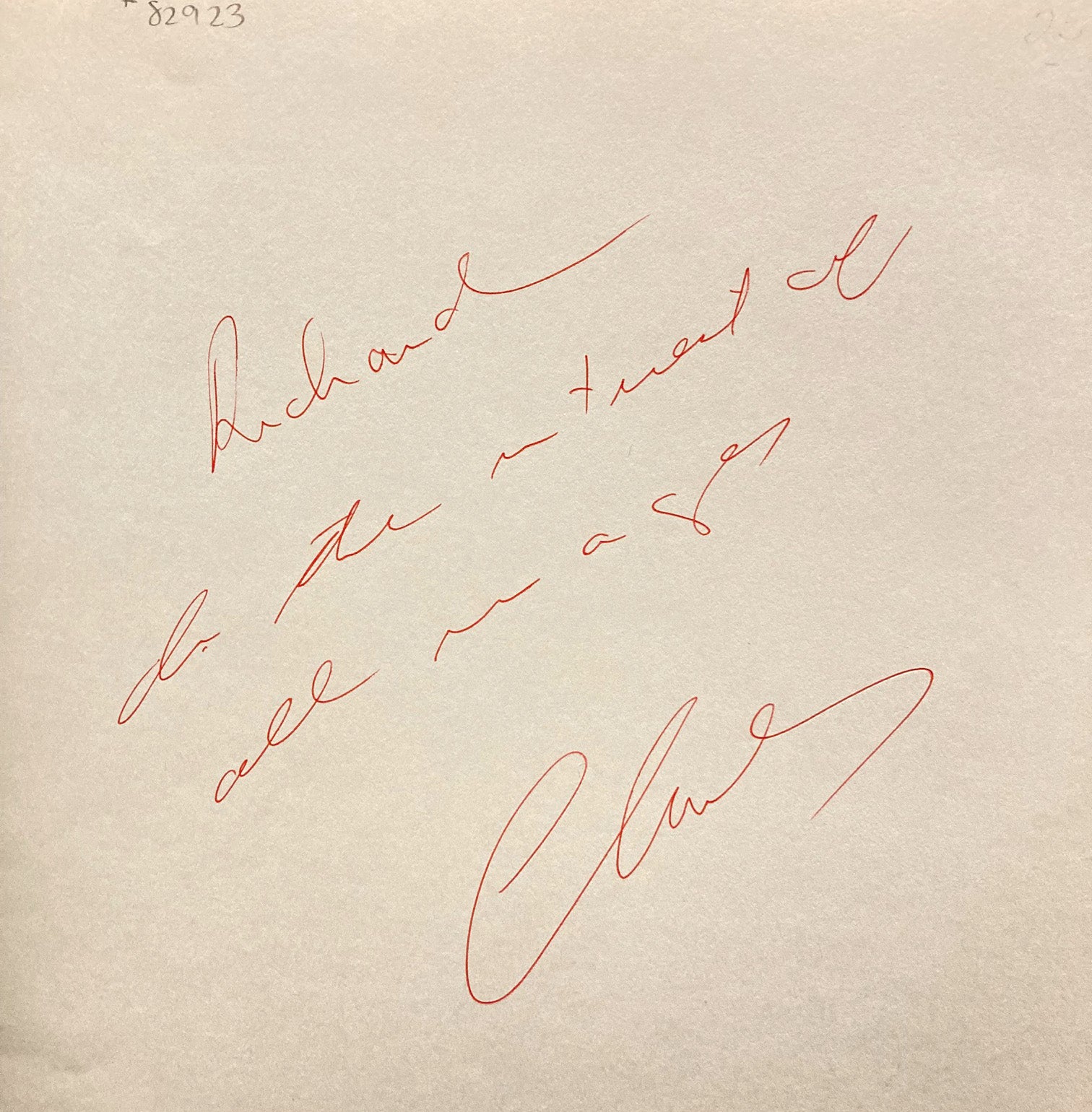
Traub, Charles. Beach by Charles Traub. Signed by Charles Traub.
Traub, Charles. Beach by Charles Traub. Signed by Charles Traub.
Impossible de charger la disponibilité du service de retrait
Horizon Press, 1978. 1st edition of 2,500 copies. 60 pages. Stiff illustrated wraps. [Traub was Director of prestigious Light Gallery in New York at the time this book was issued.]
Charles H. Traub (born 1945) is an American photographer, educator, and author widely recognized for his vibrant color street photography, critical writings, and leadership in photographic education. Born in Louisville, Kentucky, he earned a B.A. in English literature from the University of Illinois before pursuing graduate studies at the Chicago Institute of Design (MS, Illinois Institute of Technology) under masters like Aaron Siskind and Arthur Siegel. Traub gained prominence in the late 1970s and 1980s for his candid, candidly humorous, and highly saturated color imagery capturing human spectacle, urban life, and leisure in series such as Beach, Lunchtime, and Dolce Via: Italy in the 1980s. Beyond his creative practice, he served as director of New York’s Light Gallery, co-founded the influential post-9/11 populist exhibition project Here Is New York, and in 1987 established the MFA Photography, Video, and Related Media department at the School of Visual Arts (SVA) in New York City, serving as its long-term department chair. Held in major museum collections worldwide—including the Museum of Modern Art and the Art Institute of Chicago—his work continues to be celebrated for its insightful commentary on American and international visual culture.
Beach (published in 1978 by Horizon Press) is the highly acclaimed first monograph by American photographer and educator Charles H. Traub. Comprising 60 pages of black-and-white photographs, the book features an introductory interview of Traub conducted by Chicago artist and critic Harry Bouras.
The volume captures candid, unposed moments of diverse beachgoers relaxing along Chicago’s Lake Michigan waterfront during the early-to-mid 1970s.
Key Style and Themes
-
The Inherent Democracy of the Beach: Traub treats the public beach as an equalizer. Stripped of their everyday clothing, uniforms, and social masks, people from all walks of life, body types, and ages coexist. In this shared space, their inhibitions wane, revealing a raw, vulnerable, and playful humanness.
-
The Innovative Vignette: Visually, the defining characteristic of the book is Traub's use of a unique, custom-made vignette framing technique on his Rolleiflex SL66 camera. By darkening or softening the edges of the square frame, Traub isolates his subjects from the chaotic background of the public shore, transforming casual snapshots into intimate, formal portraits.
-
"Genial Acceptance and Critical Caricature": Praised by Traub's mentor, legendary photographer Aaron Siskind, the book strikes a delicate balance. It observes the eccentricities, sun-baked wrinkles, and awkward postures of urban beach culture with a sharp, sometimes humorous edge, yet maintains a warm sense of empathy and acceptance toward its subjects.
-
The Open Witness: Moving openly among the crowds rather than sneaking candid shots from afar, Traub’s presence is often subtly acknowledged by the beachgoers. This creates a unique dynamic of mutual recognition, capturing moments of unguarded sensuality, pride, and comedic exhibitionism.
Significance
Beach established Charles H. Traub as a significant voice in late-20th-century street and documentary photography. It serves as an essential time capsule of 1970s leisure culture, bridging the rigorous, formalist training of Chicago’s Institute of Design with a deeply humanistic, observational eye. The series laid the thematic groundwork for his lifelong fascination with human nature in the sun—a subject he would return to for decades.