Gary Saretzky Photo Books
Teske, Edmund. Edmund Teske: Chicago. Remembrances.
Teske, Edmund. Edmund Teske: Chicago. Remembrances.
Impossible de charger la disponibilité du service de retrait
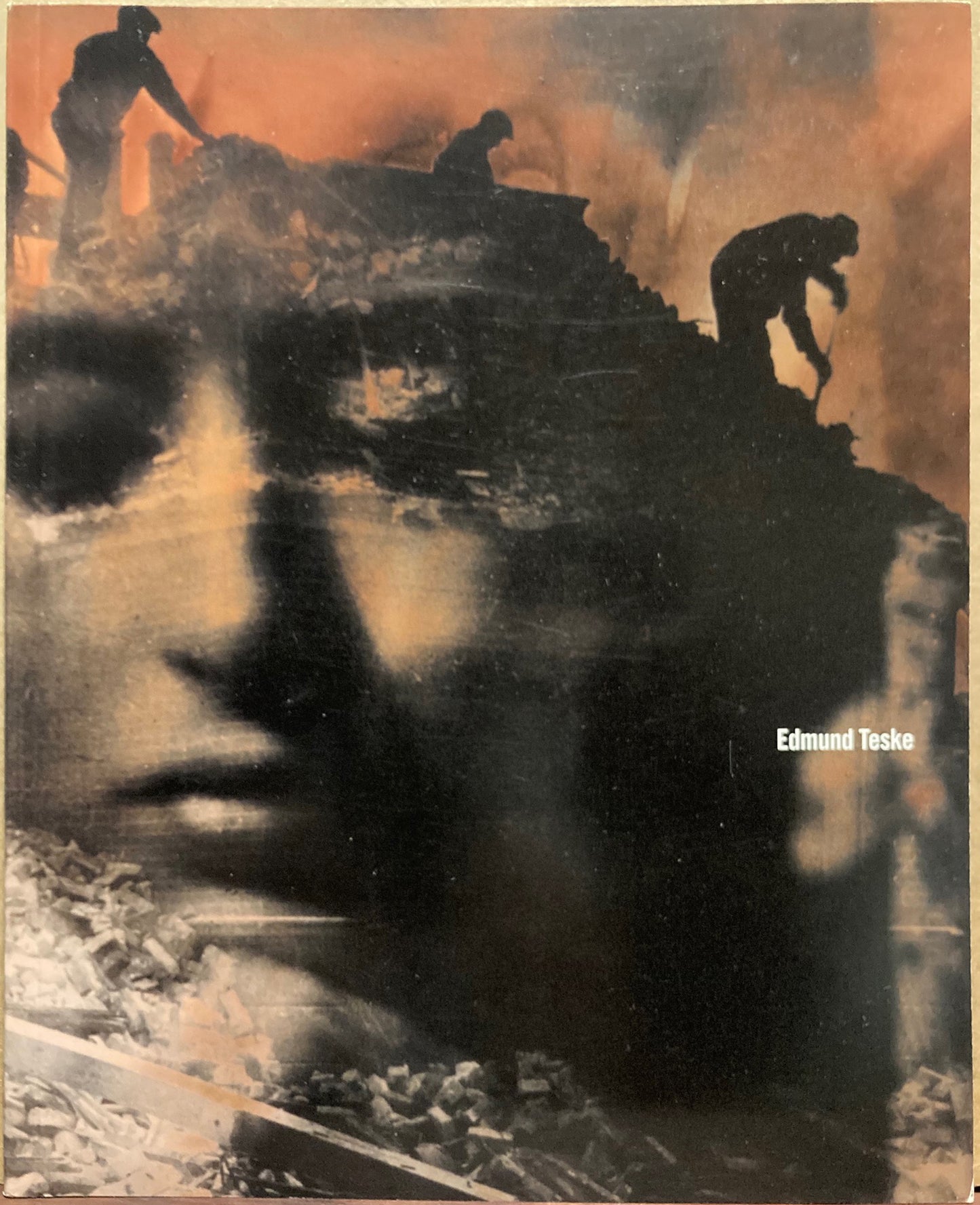
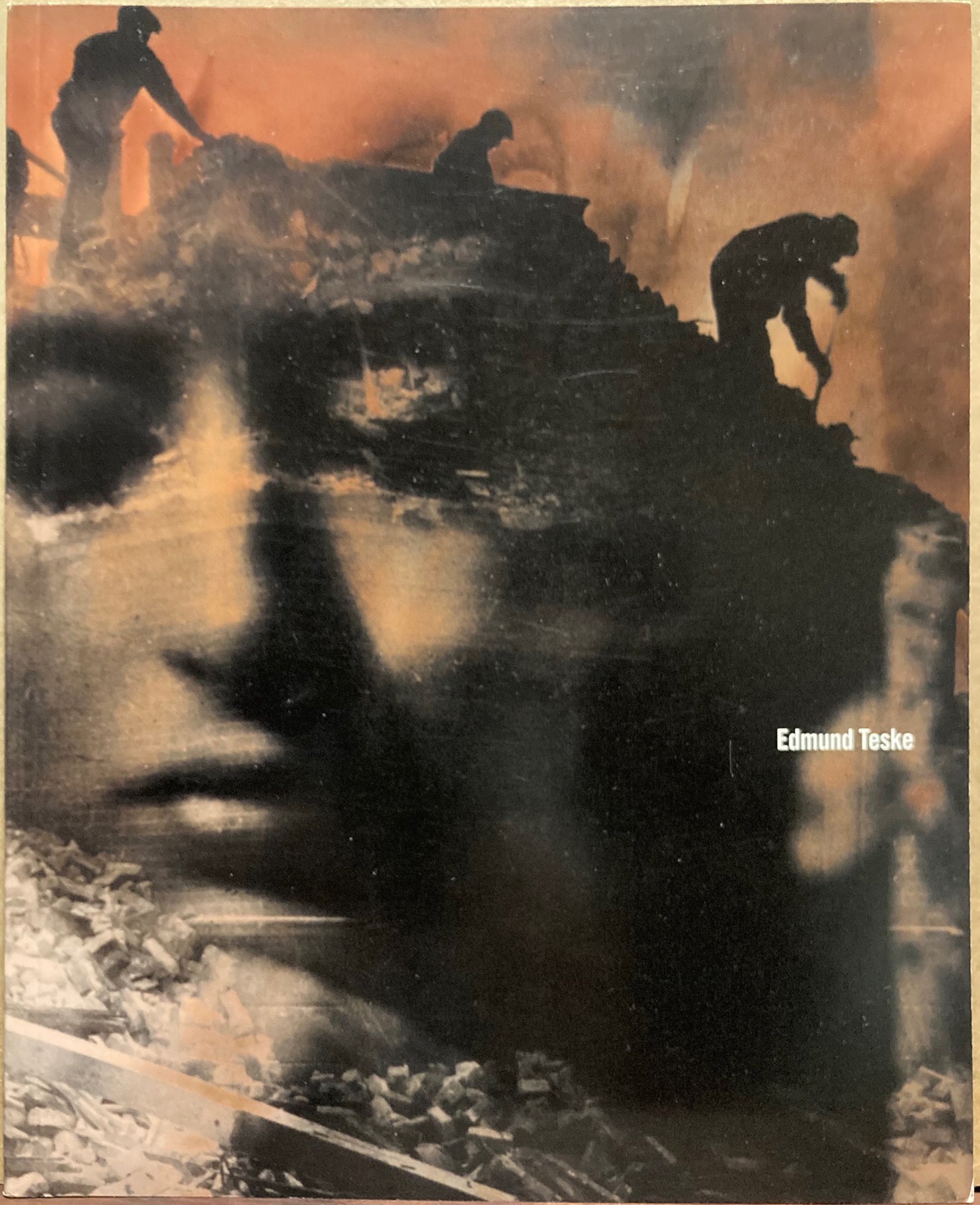
Stephen Daiter Gallery and Barry Singer Gallery, 2003. This 56 page softcover photography catalog of the work of Edmund Teske (1911-1996) was published in limited quantities in connection with the exhibits at the two galleries and not distributed through bookstores. It does not have an ISBN number and was originally priced at $24.95. Teske is well known for his photomontage images but this book also contains his more documentary photography done early in Chicago, including streetcar passengers. Teske moved to California in 1943 and his montages, double exposures, and negative prints from his later period are well represented here. Reproductions are high quality, one to a page. Biographical essay included. New copies available. Summary:
Edmund Teske: Chicago. Remembrances (2003) is a 40-page exhibition catalog published jointly by the Stephen Daiter Gallery (Chicago) and the Barry Singer Gallery (Petaluma, California). Produced in conjunction with a specialized traveling exhibition, the monograph focuses strictly on the formative, early career work that American photographer Edmund Teske (1911–1996) captured in his hometown of Chicago during the 1930s and early 1940s.
The volume features a foreword by gallerist Stephen Daiter and an insightful essay by photo historian and curator Elizabeth Siegel, contextualizing Teske’s transition from a gritty midwestern documentarian into a pioneering avant-garde artist.
Key Content and Themes
-
The Chicago Roots: Before achieving fame in Southern California for his dreamlike solarizations, Teske was deeply embedded in the cultural landscape of Depression-era Chicago. The catalog compiles his early, straight documentary photographs, capturing the city’s stark industrial architecture, street scenes, and the vibrant residents of the South and West Sides.
-
The New Bauhaus and Artistic Fusion: The text explores a pivotal moment in Teske’s development: his association with László Moholy-Nagy's New Bauhaus in Chicago in 1937. Siegel’s essay tracks how the European modernist principles taught at the school—such as treating photography as an open-ended tool for light and formal experimentation—forever altered Teske's traditional documentary style.
-
Early Experiments in Manipulation: While primarily showcasing his early realism, the catalog documents the precise moment Teske began experimenting with multi-negative composite printing and solarization. It highlights how he began layering his Chicago street negatives with abstract textures, transforming ordinary urban views into poetic, psychological "remembrances."
-
Portraits of the Avant-Garde: The plates include intimate portraits of the influential artists, musicians, and writers who made up Teske’s social circle during his Chicago years, reflecting the rich, bohemian intellectual network that fueled his early creative growth.
Significance
Edmund Teske: Chicago. Remembrances serves as a crucial scholarly addition to Teske’s legacy. By isolating his early Chicago portfolio, the catalog bridges the gap between his roots in social realism and his later status as a master of American photographic surrealism, proving that the foundation for his radical, multi-layered darkroom techniques was built in the midwestern art scene of the 1930s.