Gary Saretzky Photo Books
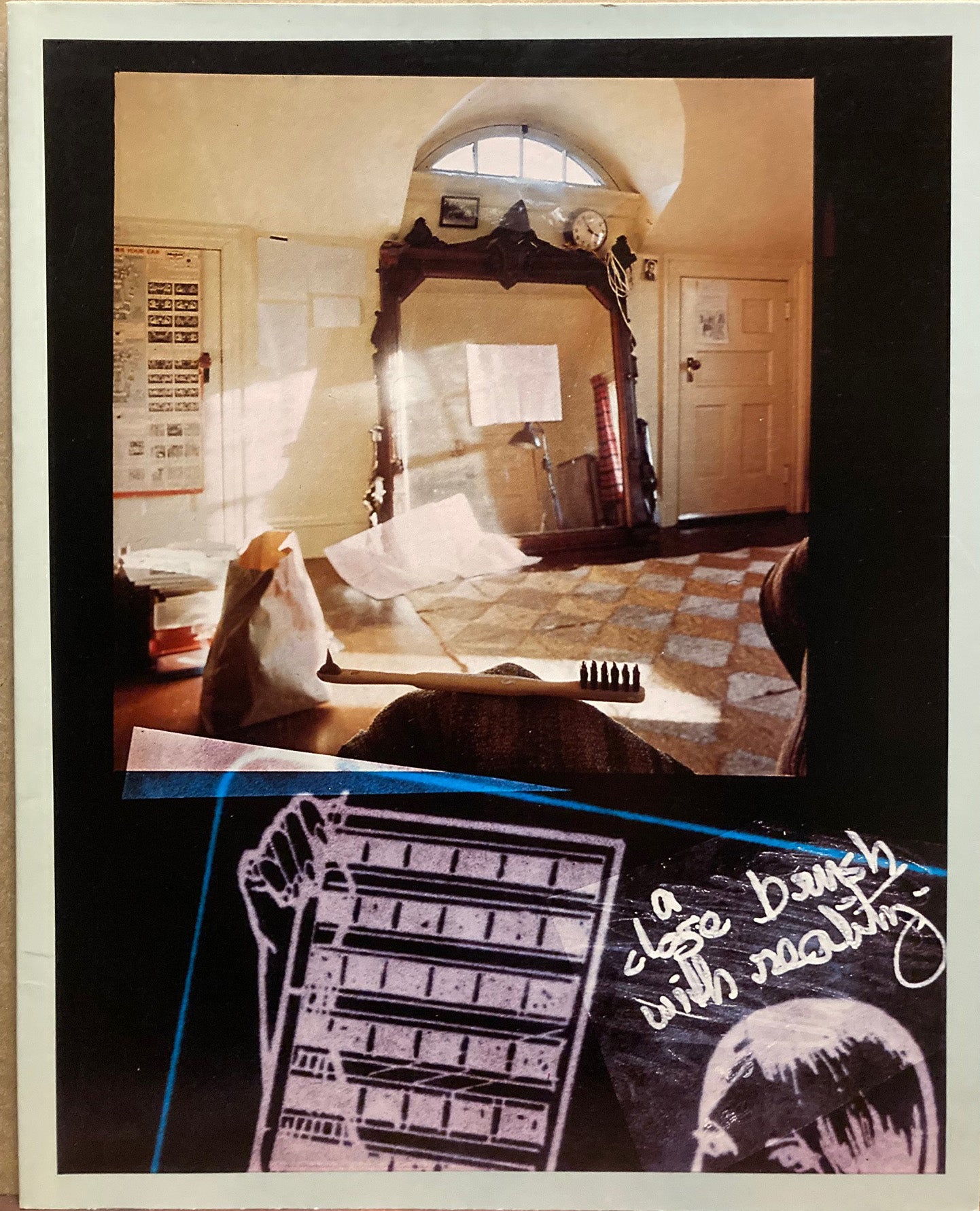
Parker, Bart. A Close Brush with Reality by Bart Parker.
Parker, Bart. A Close Brush with Reality by Bart Parker.
Impossible de charger la disponibilité du service de retrait
Visual Studies Workshop, 1981. [Bart Parker (1934-2013) received his MFA from the Rhode Island School of Design, studying under Harry Callahan, and is known for his photographic collages. He was a visiting artist at the University of Chicago and UCLA. His work is in the collections of more than two dozen museums.] Wraps, 56 pages, like new.
Bart Parker (1934–2013) was an American photographer, artist, and educator known for his innovative conceptual works and photographic collages. Having studied literature and creative writing as an undergraduate, Parker turned to photography in 1959 and worked as a newspaper photographer for eight years. He went on to earn a Master of Fine Arts degree at the Rhode Island School of Design, where he studied under Harry Callahan. Parker built an extensive academic career, founding the photography program at the University of Rhode Island and holding visiting artist positions at institutions such as the School of the Art Institute of Chicago and the University of California, Los Angeles. Throughout his artistic practice, he merged text, collage, and sequencing to explore Narrative, memory, and perception in photographic art. His work is held in major permanent collections, including the Art Institute of Chicago, the Museum of Contemporary Photography, the International Center of Photography, and the Delaware Art Museum.
A Close Brush with Reality: Photographs and Writings, 1972–2011 (published by the University of Texas Press in 2012) is a comprehensive retrospective monograph dedicated to the work of pioneering American conceptual photographer and educator Bart Parker. The 184-page volume brings together a definitive selection of Parker's complex, multi-layered visual imagery alongside his own analytical essays, poems, and professional commentary, tracing his career over four decades.
Core Content & Conceptual Framework
1. Breaking the Photographic Window
The monograph documents Parker’s radical departure from traditional, straight documentary photography. The visual retrospective charts how he systematically challenged the medium’s historical claim to objective reality by introducing intentional ambiguity into his frames. By combining disparate negatives, embedding text within images, and overlaying multiple exposures, the portfolio explores how meaning is actively constructed by the viewer rather than simply recorded by the camera shutter.
2. Multi-Layered Visual Portfolios
The core of the book organizes Parker's diverse visual projects into sequential thematic chapters. The plates showcase his mastery of both black-and-white and color darkroom processes, highlighting his distinct structural strategies:
-
The Photographic Metaphor: Splicing domestic, everyday scenes with unexpected textures or landscapes to build complex, open-ended visual puzzles.
-
Sequential Narratives: Utilizing grids, diptychs, and triptychs to imply a sense of passing time or fragmented memory that resists linear storytelling.
-
Text and Image Interplay: Overlaying prose, cryptic captions, and poetry directly onto his silver gelatin and inkjet prints, forcing a conceptual dialogue between reading and viewing.
3. Writings and Pedagogical Philosophy
Beyond the images, a substantial portion of the volume is dedicated to Parker's written thoughts and professional reflections. As a long-time professor at the University of Rhode Island, his essays outline a deeply philosophical approach to teaching and understanding photography. The written texts delve into the mechanics of visual perception, autobiographical milestones, and the ongoing cultural transition from traditional chemical printing to early digital manipulation.
A Close Brush with Reality serves as a crucial mid-century archive for an artist who expanded the boundaries of post-modern photographic practice. By pairing Parker’s intricate visual catalog with his intellectual writings, the publication provides an invaluable primary resource for curators and students studying the intersection of conceptual art, literature, and American photography.
