Gary Saretzky Photo Books
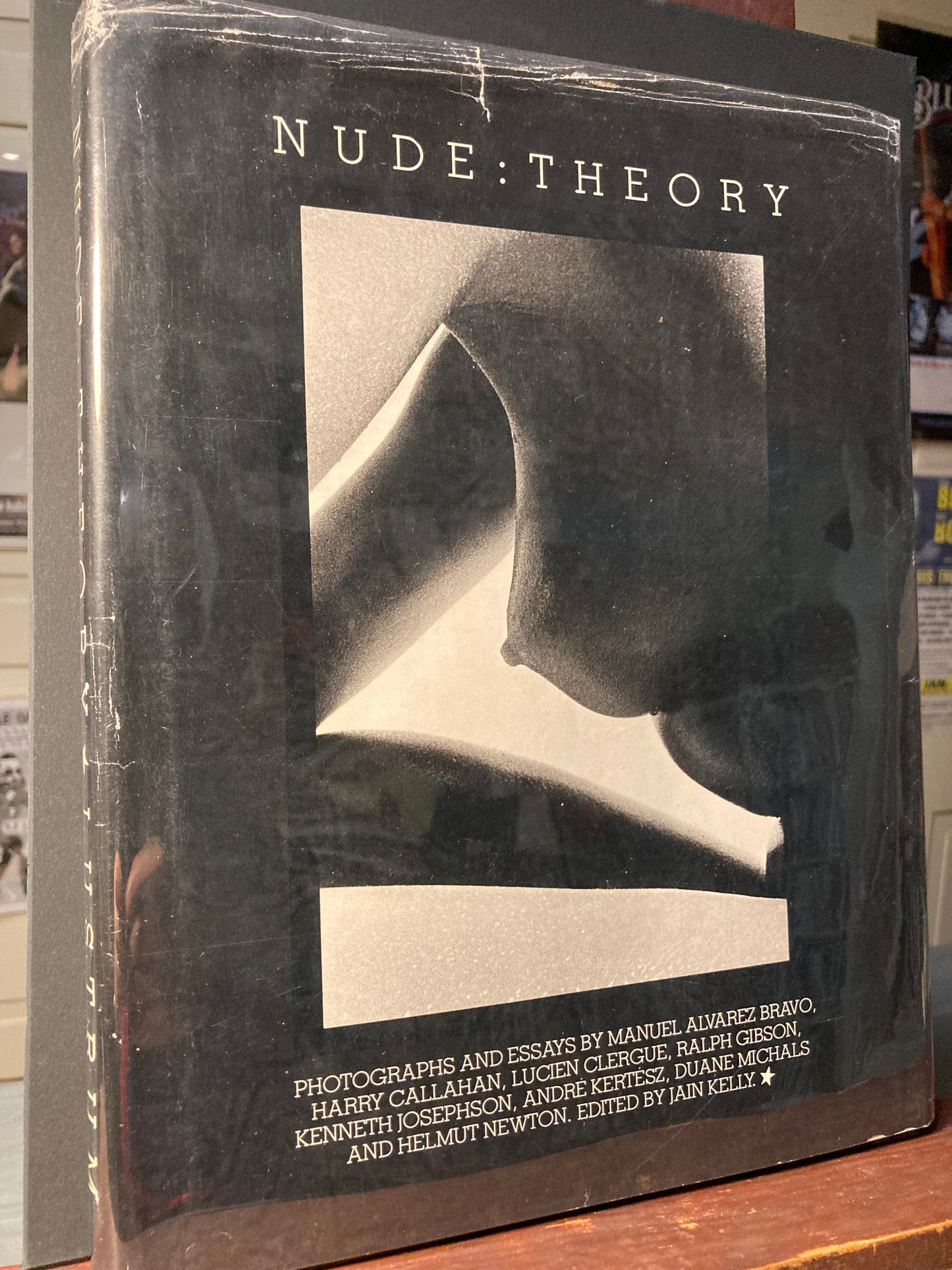
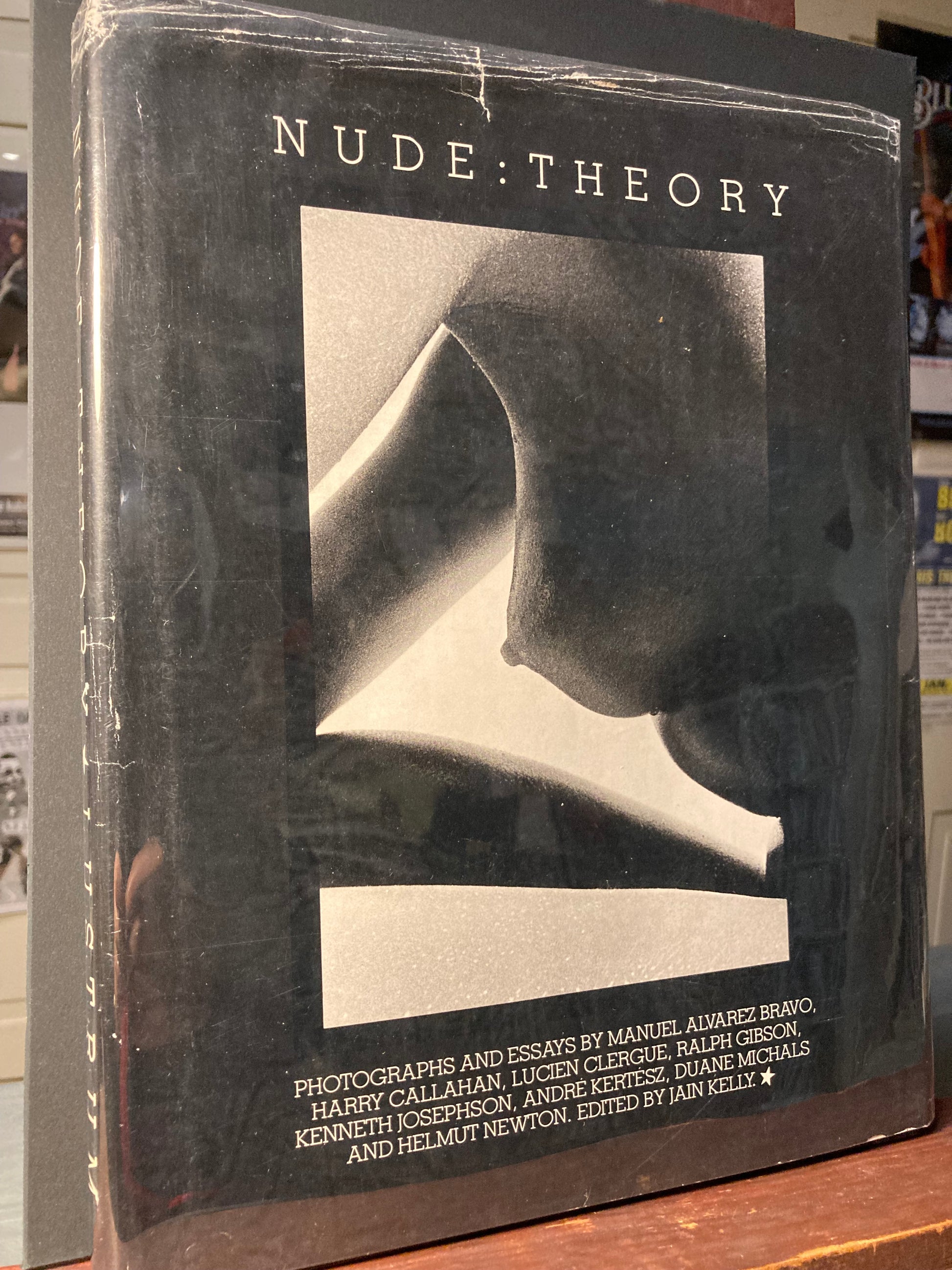
Nudes. Nude: Theory edited by Jain Kelly.
Nudes. Nude: Theory edited by Jain Kelly.
Impossible de charger la disponibilité du service de retrait
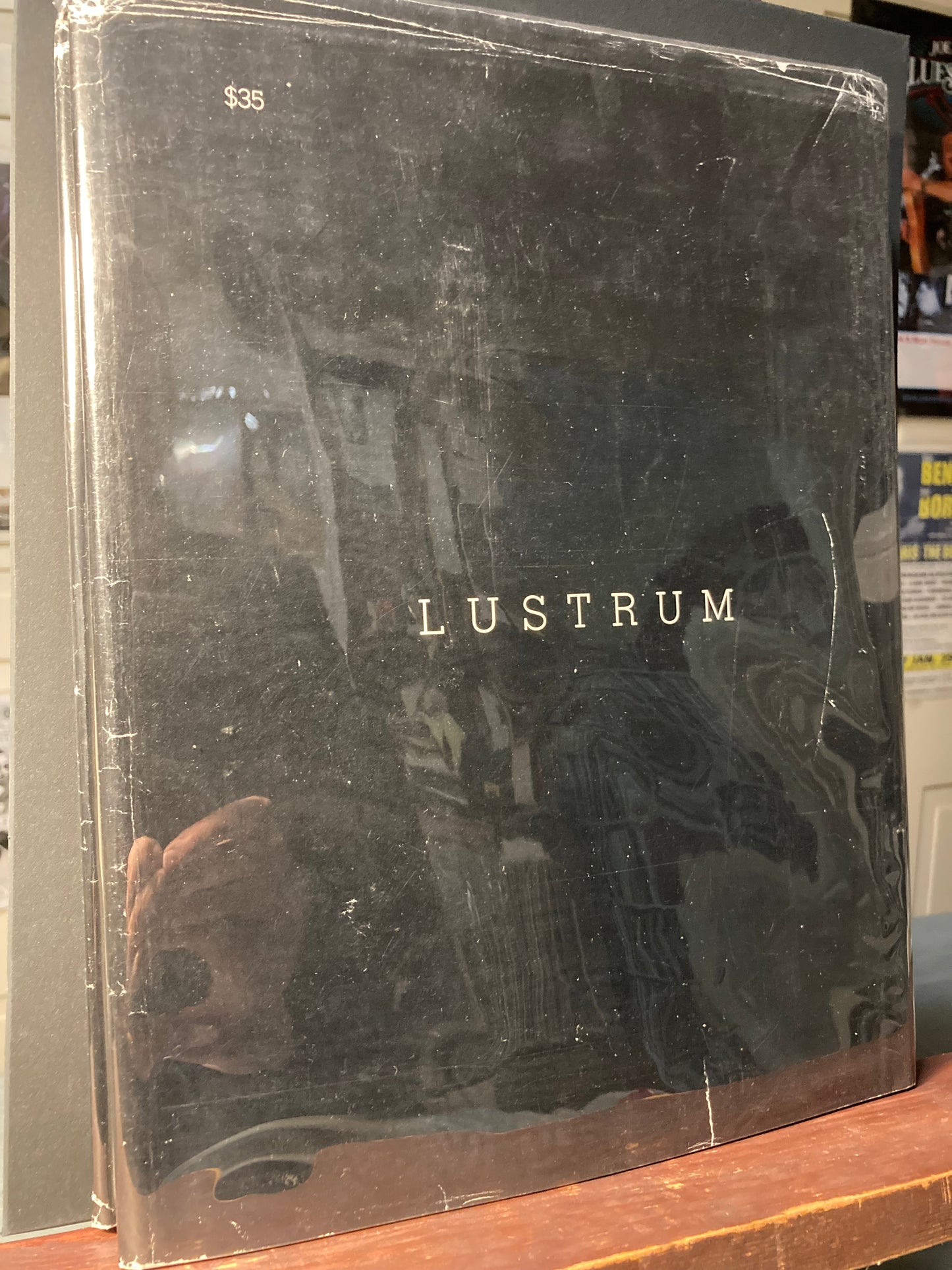
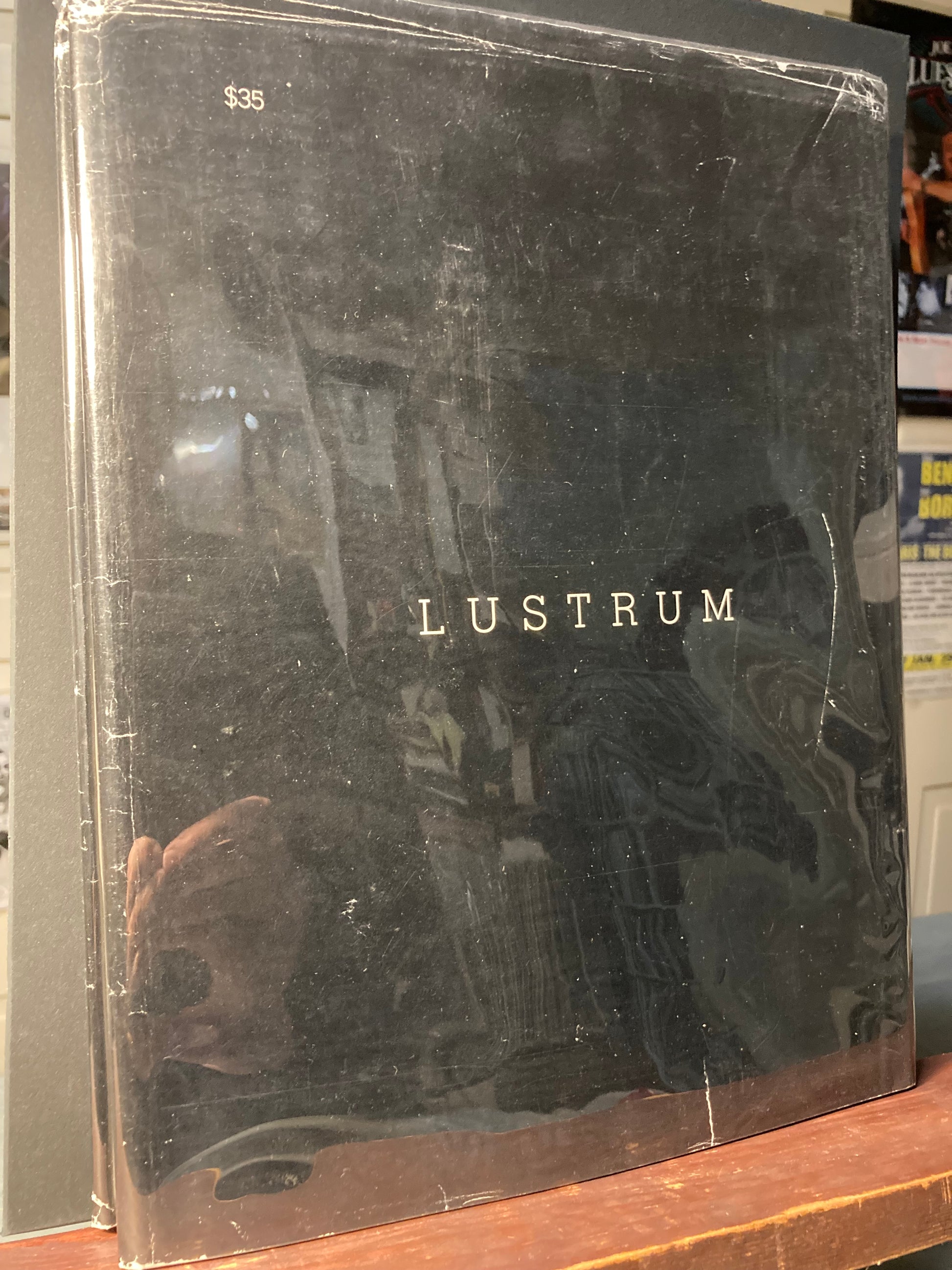
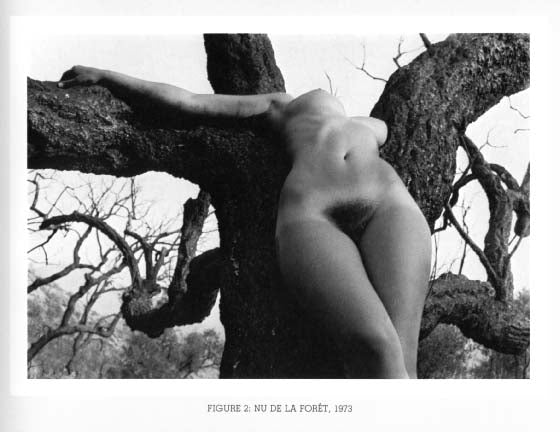
Lustrum, 1979. Photographs and essays by Manuel Alvarez Bravo, Harry Callahan, Lucien Clergue, Ralph Gibson, Kenneth Josephson, Andre Kertesz, Duane Michals, and Helmut Newton. Hardcover, black cloth binding, fine, with protected dust jacket that has wear, mostly along top edge. Presumed 1st edition, as no later printings indicated. (Reflections in images of covers.) Summary:
Nude: Theory (published in 1979 by Lustrum Press and edited by Jain Kelly) is a seminal anthology and critical survey of photographic modernism. The book explores the formal, conceptual, and aesthetic philosophies of the human form through the work and words of several master photographers, deconstructing how the nude has been interpreted across different artistic movements.
Core Content & Conceptual Framework
1. The Artist as Theoretician
The volume moves beyond a traditional image gallery by prioritizing the intellectual and technical methodologies of the image-makers themselves. Rather than relying on outside art critics, the structure pairs extensive, beautifully printed portfolios with in-depth essays and interviews written by the photographers. This format allows the artists to articulate their personal intentions, lighting strategies, and psychological relationships with their models, turning the book into a practical and philosophical textbook on the genre.
2. Diverse Photographic Philosophies
The anthology functions as a masterclass in composition, showcasing how a single subject—the human body—can be radically transformed depending on the artist's visual philosophy. The monograph features distinct, curated approaches from a roster of legendary photographers:
-
The Formalist and Abstract Gaze: Portfolios that treat the body as pure landscape, sculpture, or geometric form, utilizing high-contrast lighting and tight framing to isolate lines, curves, and textures.
-
The Surreal and Conceptual Approach: Images that use the nude to explore themes of memory, dreams, subconscious desires, and the uncanny, often employing experimental darkroom techniques.
-
The Humanist and Realist Perspective: Candid, raw, and intimate portraiture that strips away idealized studio conventions to document the unvarnished, authentic human body in everyday environments.
3. Technical Mastery and Craft
A core focus of the text is the technical breakdown of the photographic process. The contributing artists discuss the physical mechanics behind their imagery, including camera formats, film stocks, chemical development choices, and the specific staging of natural or artificial light. By exposing the labor behind the art, the handbook demystifies the creation of iconic images and examines the boundary between commercial portraiture, erotica, and fine-art photography.
Historical Significance
Released during a transformative era for independent photographic publishing, Nude: Theory stands as a vital touchstone in the literature of visual literacy. By formalizing a serious, self-reflective artistic dialogue around the human body, Lustrum Press provided an enduring academic reference that pushed the photographic medium further into the mainstream canon of contemporary fine art.