Gary Saretzky Photo Books
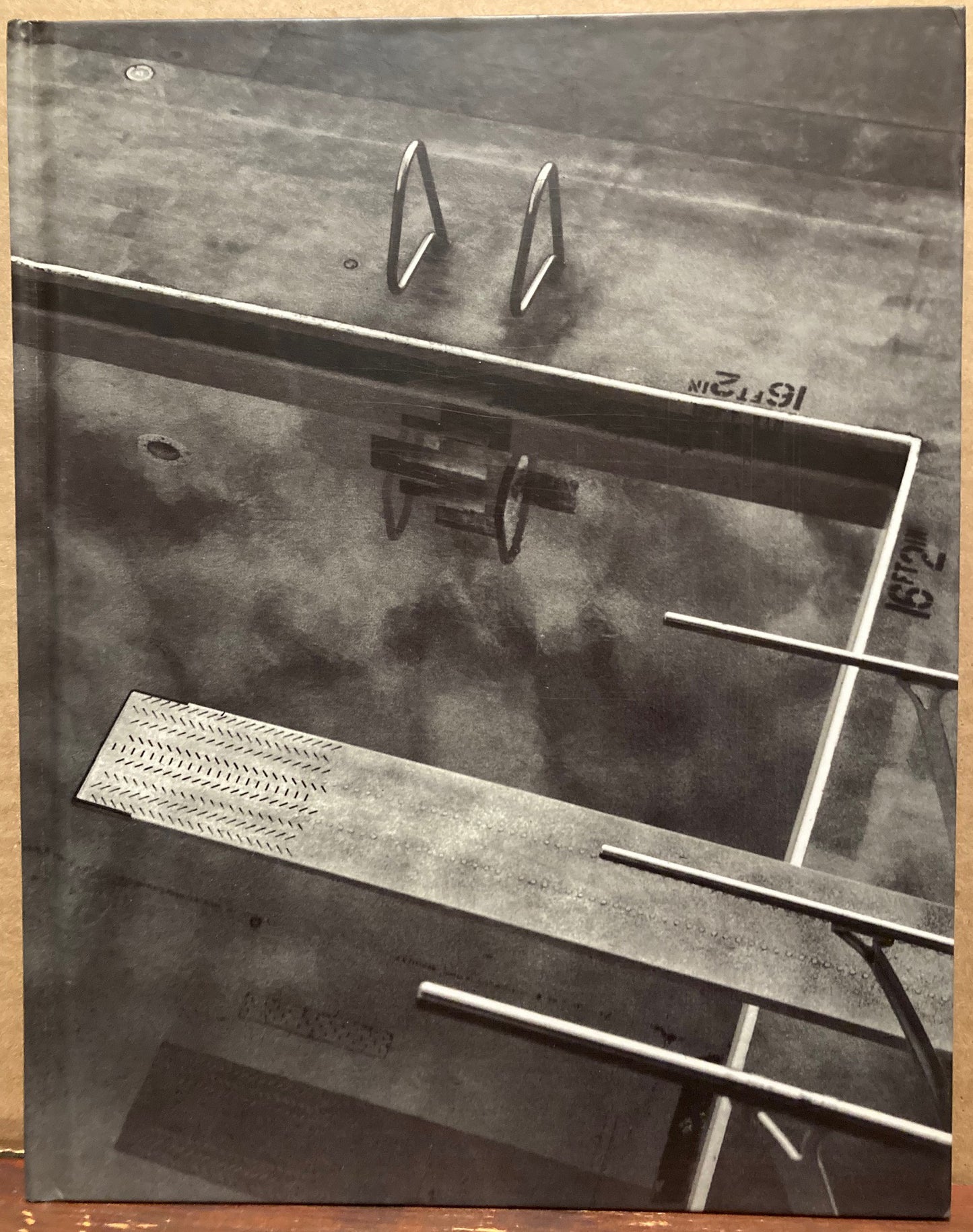
Leibovitz, Annie. Olympic Portraits. Photographs by Annie Leibovitz.
Leibovitz, Annie. Olympic Portraits. Photographs by Annie Leibovitz.
Impossible de charger la disponibilité du service de retrait
Bulfinch, 1996, 1st edition, illustrated boards, issued without dust jacket. Fine with remainder mark at top of text block. Issued at $19.95. Summary:
Olympic Portraits (published in 1996 by Bulfinch Press / Little, Brown and Company) is a compelling, 180-page photographic volume by Annie Leibovitz. Commissioned to document athletes preparing for the 1996 Centennial Summer Olympic Games in Atlanta, Georgia, the book represents a deliberate shift for Leibovitz—moving away from her heavily staged, prop-reliant celebrity tableaus to focus on the raw physical form, intense drive, and human drama of world-class athletes.
Core Themes and Content
-
The Pre-Games Psyche: Captured during intensive training sessions across the United States in 1995 and early 1996, the collection acts as a photographic yearbook charged with anticipation. Rather than capturing final moments on the podium, Leibovitz zeros in on the grueling self-sacrifice, psychological vulnerability, and quiet focus of preparation.
-
Sculptural and Kinetic Aesthetic: Shot primarily in striking, high-contrast black-and-white, the volume functions as an exploration of the ideal human physique. Drawing on her extensive background photographing dancers, Leibovitz treats the athletes' bodies as living sculptures, capturing exact "slices of time" that isolate the maximum muscular tension, grace, and unique biomechanics required by different sports.
-
Celebrated and Unsung Subjects: The portfolio features roughly 180 photographs showcasing a vast spectrum of personalities. It juxtaposes iconic American sports heroes—such as Carl Lewis, Jackie Joyner-Kersey, Michael Johnson, and a 14-year-old Dominique Moceanu—alongside lesser-known competitors from traditionally overlooked or "un-heroic" disciplines, finding equal majesty in synchronized swimming and water polo.
-
Primal Emotion Over Glossy Glamour: While many of the images are set up as intimate, collaborative portrait sessions, they reject standard commercial gloss. Instead, they expose the raw, visceral elements of sport—sweat, strain, physical exhaustion, and the profound mental weight of impending global competition.
By stripping away the color and the chaotic media circus of the actual games, Olympic Portraits stands as an enduring visual tribute to the discipline and primal spirit of the human body at the peak of its athletic power.
Annie Leibovitz (born 1949) is a legendary American portrait photographer whose bold, distinctive style and iconic images have made her one of the most celebrated chroniclers of popular culture and public figures of the modern era. Born in Waterbury, Connecticut, she studied painting at the San Francisco Art Institute before discovering her passion for photography. In 1970, she began her professional career at Rolling Stone magazine, quickly rising to become its chief photographer in 1973—a position she held for a decade while defining the magazine’s raw, intimate, and countercultural visual aesthetic. In 1983, Leibovitz joined the staff of Vanity Fair and later Vogue, where she revolutionized celebrity portraiture by transitioning from gritty photojournalism to highly staged, theatrical, and sumptuously saturated color tableaus that blend fine art with commercial editorial design. Over her storied career, she has captured defining portraits of figures ranging from John Lennon, Demi Moore, and Whoopi Goldberg to Queen Elizabeth II and Barack Obama, frequently collaborating with her subjects to place them in surreal, psychologically resonant concepts. The first woman to hold a solo exhibition at the National Portrait Gallery in 1991, Leibovitz has published numerous landmark monographs, received the Royal Photographic Society's Centenary Medal, and is designated a Living Legend by the Library of Congress, cementing her enduring influence on American visual culture.