Gary Saretzky Photo Books
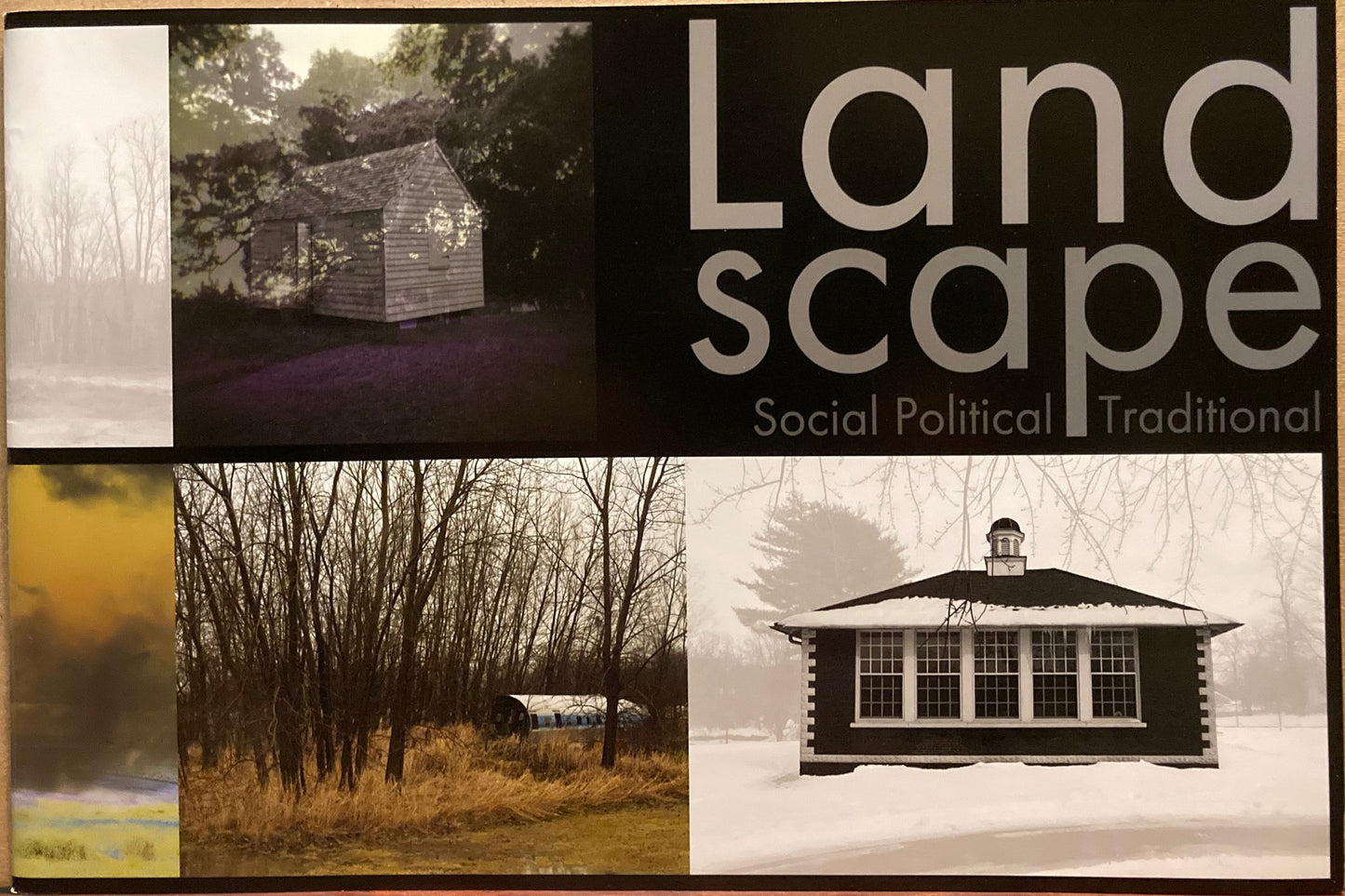
Landscape Photography. Landscape: Social Political Traditional. Rider University Art Gallery, September 18 - October 12, 2014.
Landscape Photography. Landscape: Social Political Traditional. Rider University Art Gallery, September 18 - October 12, 2014.
Impossible de charger la disponibilité du service de retrait
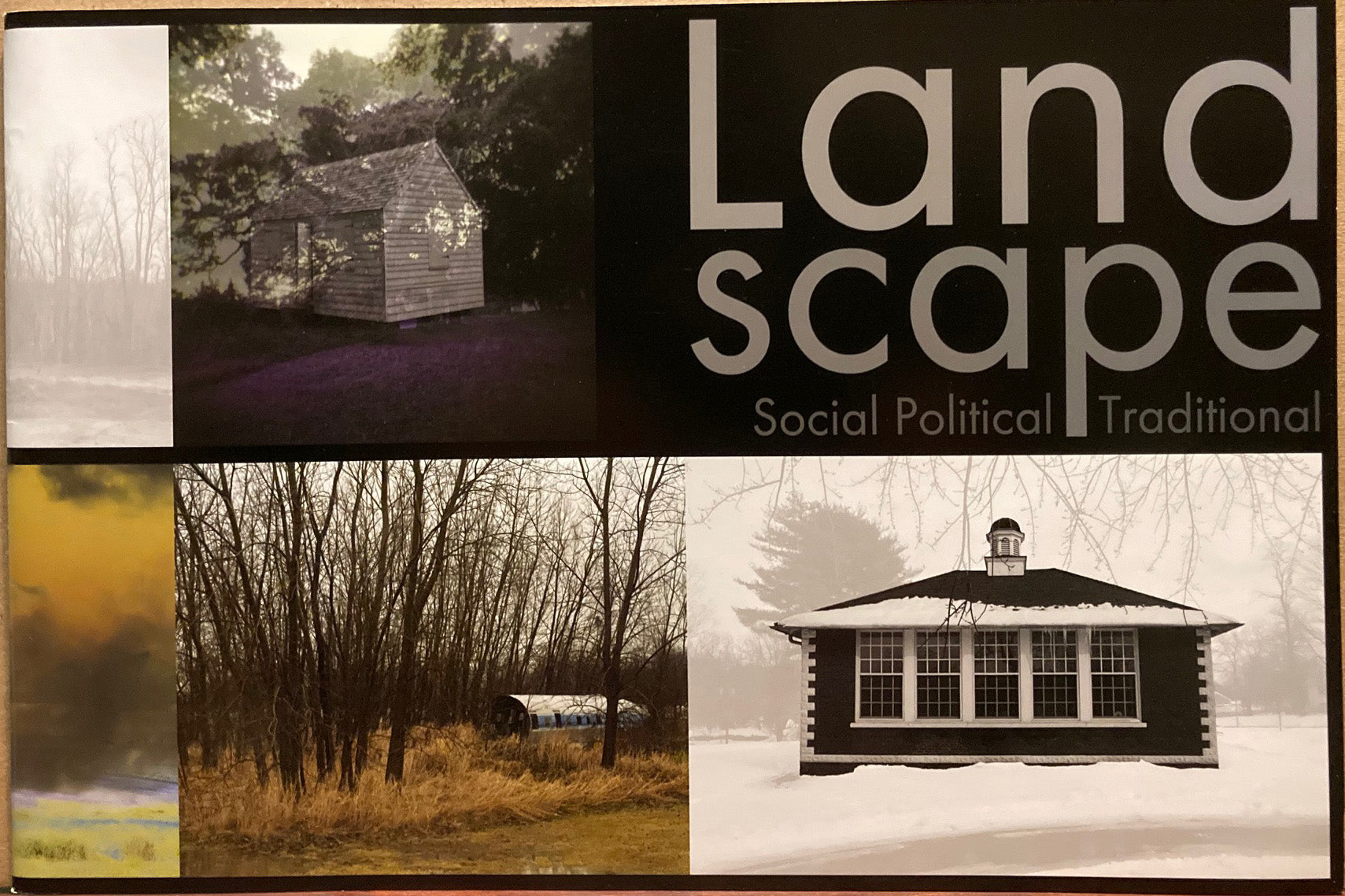
Exhibition catalog, illustrated wraps, about 8.5 x 12 inches, 16 pages. Curated by Aubrey J. Kauffman. Photographers: Josh Brilliant; Annie Hogan; Joshua Lutz; and Wendel A. White. Scarce, no copies listed in WorldCat. Summary:
Landscape: Social, Political, Traditional is an exhibition catalog documenting a contemporary group photography exhibition held at the Rider University Art Gallery in Lawrenceville, New Jersey, from September 18 to October 12, 2014. Curated by photographer and academic Aubrey J. Kauffman, the exhibition brought together the work of four contemporary photographers—Josh Brilliant, Annie Hogan, Joshua Lutz, and Wendel A. White—to challenge conventional, romanticized notions of landscape art.
Core Themes and Content
-
Moving Beyond the Pastoral: The primary conceptual objective of the exhibition was to disrupt the traditional viewer expectation of landscape as a merely scenic, pastoral, or decorative genre. The curated works demonstrate how specialized photographic framing can transform natural and built environments into rich, analytical sites packed with hidden meanings.
-
The Layering of Place and Memory: The exhibition focused heavily on the relationship between people and geography, treating the landscape as a repository for historical, social, and psychological narratives. Under Kauffman's curation, everyday spatial interactions are contextualized to expose how human history leaves an indelible, invisible imprint on physical terrain.
-
The Intersections of Identity and Geography: A central highlight of the show included selections from Wendel A. White’s powerful Schools for the Colored portfolio. White’s work uses a distinct digital aesthetic—fading out the surrounding landscape into a stark black-and-white void—to isolate the architectural remnants of historically segregated school buildings. This approach emphasizes how institutional racism and cultural erasure are physically carved into the American landscape.
-
Diverse Visual Strategies: The exhibition showcased how different artists deploy contrasting visual methodologies to construct a "social and political aspect that serves as an overlay to their art." From the stark documentary style to conceptual interventions, the participating artists utilized the camera not just to capture terrain, but to dissect issues of memory, trauma, and domestic identity.
By shifting the dialogue from passive aesthetic appreciation to critical societal critique, Landscape: Social, Political, Traditional captured a key moment in contemporary fine art curation, proving that the spaces we inhabit are deeply shaped by the political and social forces of human history.