Gary Saretzky Photo Books
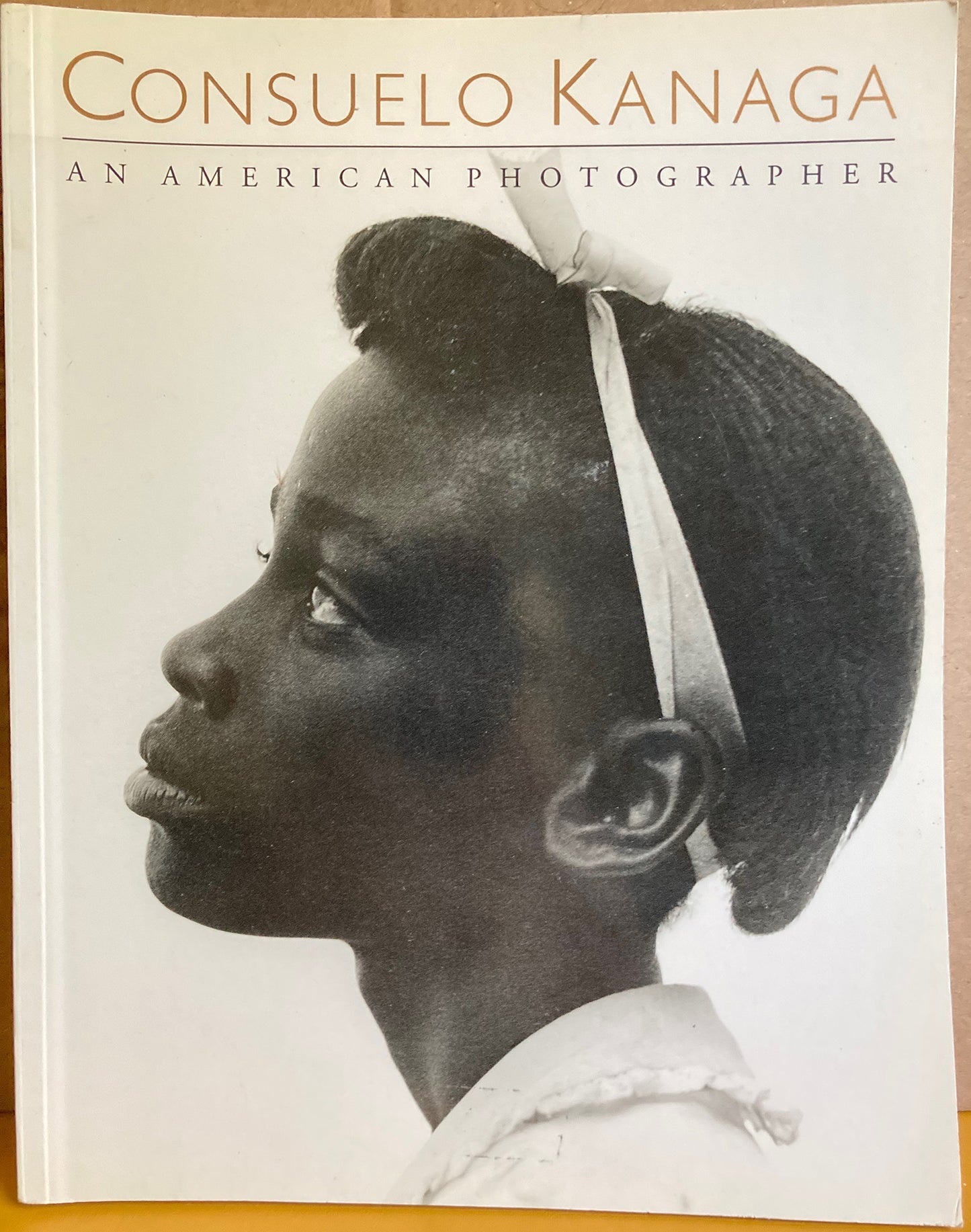
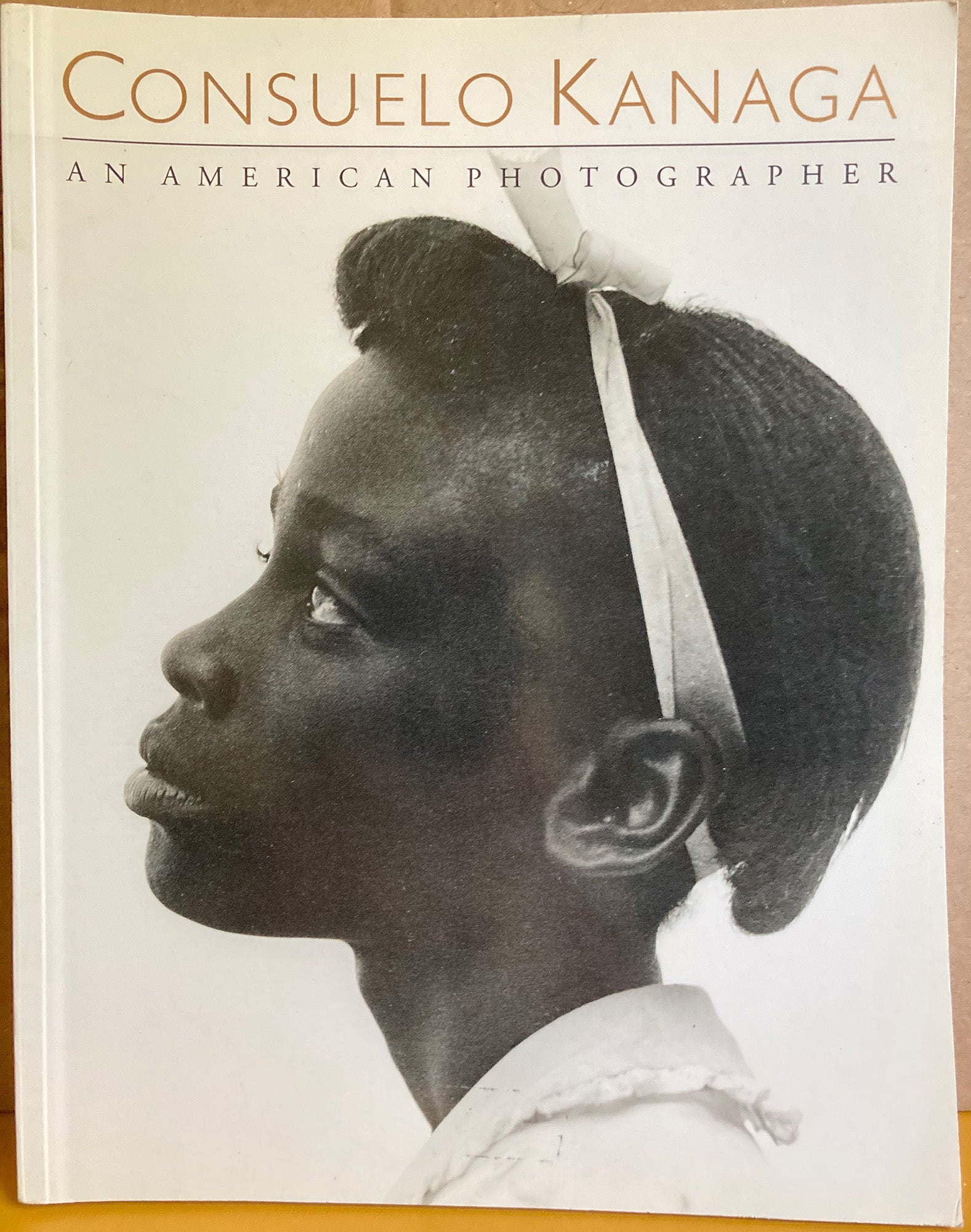
Kanaga, Consuela. Consuelo Kanaga: An American Photographer by Barbara Head Millstein and Sarah M. Lowe.
Kanaga, Consuela. Consuelo Kanaga: An American Photographer by Barbara Head Millstein and Sarah M. Lowe.
Couldn't load pickup availability
Brooklyn Museum and University of Washington Press, 1992. Stiff illustrated wraps, as issued, 222 pages. Fine with just a trace of shelf wear. 112 photos by Kanaga, plus 73 other illustrations. Includes biography, chronology, catalog checklist (including some photos not in the exhibition), and bibliography. Afterword by Grace M. Mayer. Monograph issued on the occasion of a major Consuela Kanaga exhibition at the Brooklyn Museum. Kanaga was a prolific photographer who was published regularly in U.S. Camera annuals in the 1940s and 1950s and in The Family of Man exhibition catalog. She has also been featured in Recollections: Ten Women of Photography, The Photo League, 1936-1951, Women’s Camera Work: Self/Body/Other in American Visual Culture, and other books. Summary:
Consuelo Kanaga: An American Photographer (1992), published by the Brooklyn Museum, is the definitive retrospective of a woman who was a foundational yet often overlooked figure in modern photography. The book traces Kanaga’s journey from her early days as a 1910s "front-page" photojournalist to her mastery of the fine-art portrait, highlighting her unique position as a white woman who dedicated much of her career to the dignified, soulful depiction of African American life.
Core Themes and Narrative
-
Social Justice through Portraiture: Kanaga was a "quiet radical." The book emphasizes her deep empathy, particularly during the 1930s and 40s, as she captured the strength and suffering of marginalized communities. Her work is a testament to the idea that a photograph can be both a social document and a high-art object.
-
The f/64 Connection: While she was an associate of the Group f/64 (including Ansel Adams and Edward Weston), Kanaga diverged from their rigid "purity." The authors show how she used their sharp-focus techniques but infused them with a "Humanist Finish" that valued emotional connection over cold, geometric abstraction.
-
The "Slow" Artist: The narrative reveals Kanaga’s meticulous, often painstakingly slow process. She would spend days in the darkroom to achieve the "Perfect Print," resulting in a relatively small but technically impeccable body of work.