Gary Saretzky Photo Books
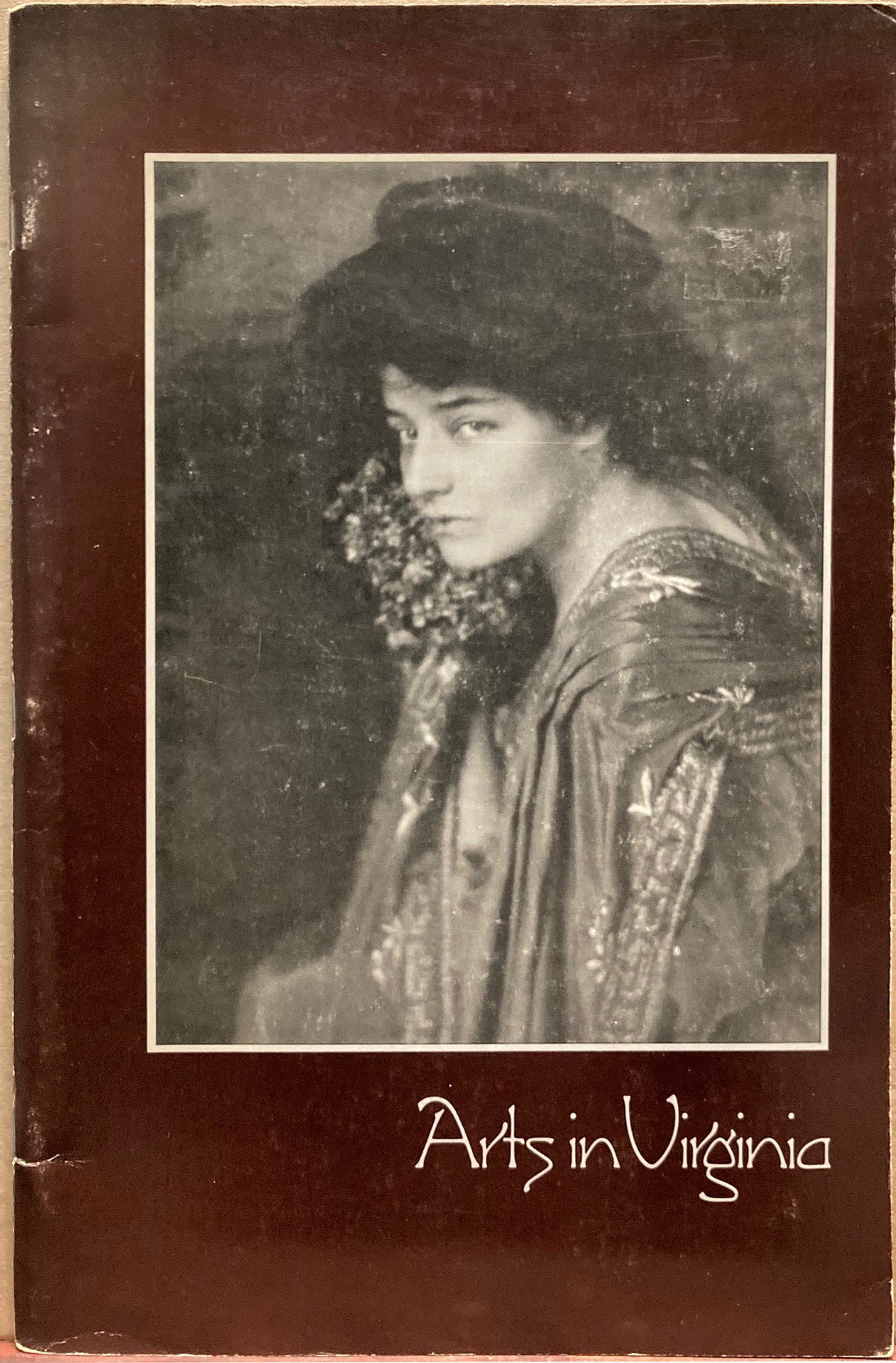
Arts in Virginia, Volume 16, Number 1, Fall 1975. Gertrude Kasebier, Lewis Hine, et al.
Arts in Virginia, Volume 16, Number 1, Fall 1975. Gertrude Kasebier, Lewis Hine, et al.
Couldn't load pickup availability
Complete issue, 40 pages, very good with minor wear on spine. Includes long articles by Peter Bunnell on Gertrude Kasebier and by George Cruger on Lewis Hine. Illustrated with seldom seen photographs by these masters from the collection of the Virginia Museum. Also article, "A 19th-Century Portfolio," with works at the Museum by Hill and Adamson; Felice Beato; Francis Frith; George Barnard; Carleton Watkins; Felix Bonfils; Julia Margaret Cameron; Peter Henry Emerson; Henry Peach Robinson; and Alfred Stieglitz. Biographical summaries of Käsebier and Hine: :
Gertrude Käsebier (1852–1934) was an influential American photographer and a leading figure of the Pictorialist movement, celebrated for her evocative portraiture and sensitive depictions of motherhood. Born in Des Moines, Iowa, she pursued formal art training late in life at Brooklyn’s Pratt Institute in her late thirties before establishing a highly successful commercial portrait studio in New York City in 1897. Renowned for her painterly, soft-focus aesthetic and masterful use of light, Käsebier gained national renown for thematic works like Blessed Art Thou Among Women (1899) and her empathetic portrait series of Native Americans from Buffalo Bill’s Wild West show. In 1902, she became a founding member of the Photo-Secession alongside Alfred Stieglitz, who featured her work as the cover subject for the inaugural issue of Camera Work. Despite later breaking away from Stieglitz to form the Pictorial Photographers of America in 1916, Käsebier remained a trailblazer who proved that professional photography could be both a commercially viable career for women and a legitimate fine art form.
Lewis Wickes Hine (1874–1940) was a pioneering American sociologist and documentary photographer whose compelling imagery served as a powerful instrument for social reform in the early 20th century. Born in Oshkosh, Wisconsin, Hine studied sociology at the University of Chicago, Columbia University, and New York University before taking up photography while teaching at the Ethical Culture School in New York, where he began documenting arriving immigrants at Ellis Island. In 1908, he became the official photographer for the National Child Labor Committee (NCLC), spending over a decade traveling the United States under grueling conditions to secretly document children working in sweatshops, coal mines, textile mills, and agricultural fields. His poignant, starkly realistic photographs provided undeniable visual evidence that proved instrumental in passing federal child labor laws. Later in his career, Hine documented Red Cross relief efforts during World War I and produced his famed "Work Portraits" series—most notably capturing the construction of the Empire State Building in 1930–1931—leaving a legacy as a master storyteller who used the camera to affirm human dignity and drive tangible social change.