Gary Saretzky Photo Books
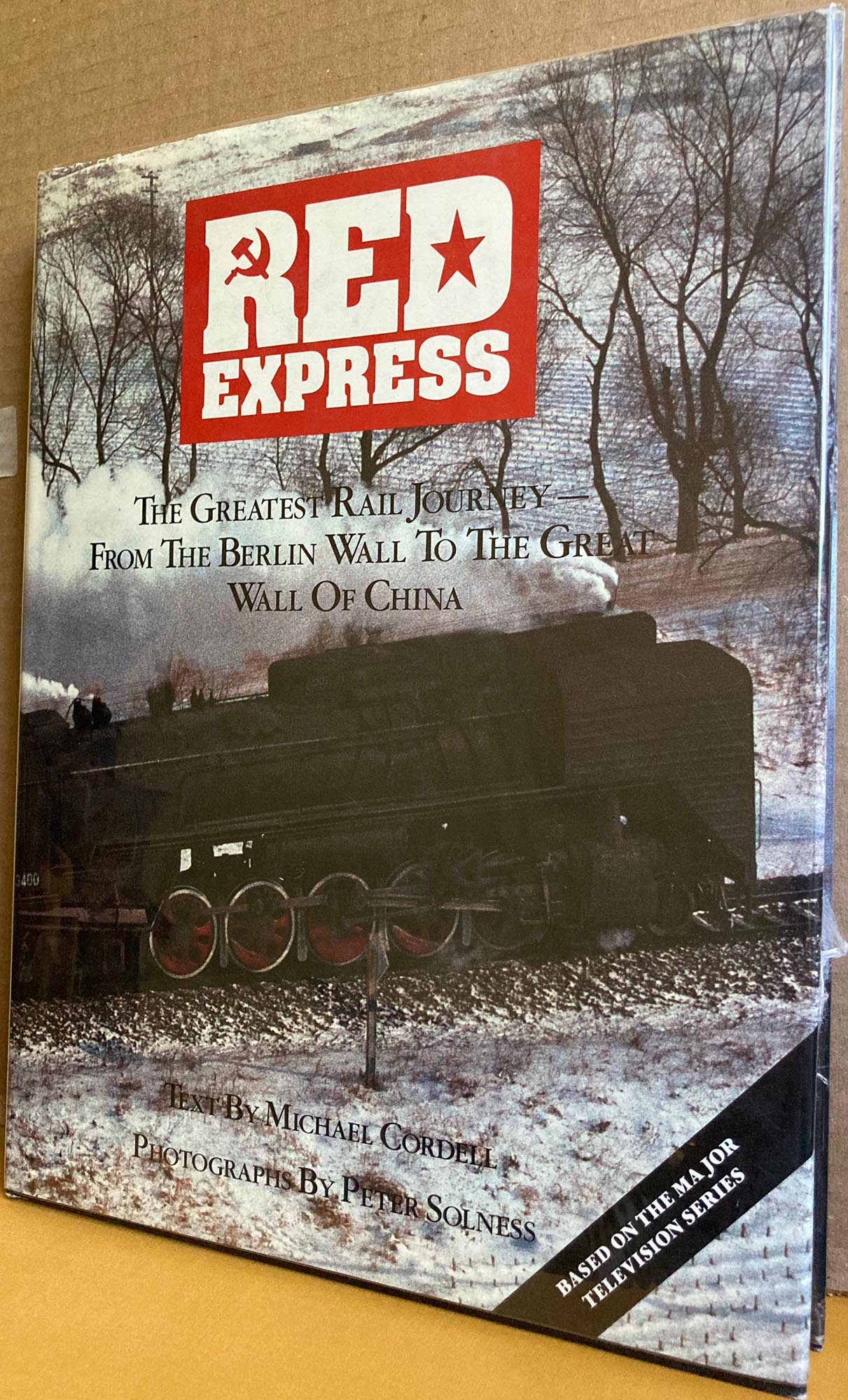
Russia. Red Express: The Greatest Rail Journey from the Berlin Wall to the Great Wall of China.
Russia. Red Express: The Greatest Rail Journey from the Berlin Wall to the Great Wall of China.
Impossible de charger la disponibilité du service de retrait
Prentice Hall, 1990. Text by Michael Cordell. Photographs in color by Peter Solness. First U.S. edition. Hardcover with protected dust jacket, like new. Based on a television series produced by Captured Live Australia. Documents a 15,000 kilometer train ride, including 10,000 on the Trans-Siberian Express across the Soviet Union, the world’s longest railroad ride. The train traveled from East Berlin through Czechoslovakia, Poland, the Baltic States and the USSR,to Beijing and the Great Wall. Cities included Berlin, Prague, Krakow, Vilnius, Leningrad, Moscow, Novosibirsk, Vladviostok, Suifenbe, and Beijing. Includes statement by the photographer Solness, who shot with Kodachrome, about the challenges he overcame to complete this project, including working in extremely cold conditions. 255 pages. Previously published in Australia by Simon and Schuster. Based in Australia, Solness subsequently became a specialist in using light painting for photography. Summary:
Red Express: The Greatest Rail Journey from the Berlin Wall to the Great Wall of China (1990) is a vivid travelogue by Australian journalist Michael Cordell, with photography by Peter Solness. The book (and the accompanying television series) documents a 15,000-kilometer odyssey across the Eurasian continent during one of the most transformative periods in modern history.
Key Narrative Elements
-
The Route: The journey begins at the crumbling Berlin Wall and traverses Eastern Europe, including Poland and Czechoslovakia, before embarking on the 10,000-kilometer Trans-Siberian Express. It concludes at the Great Wall of China in Beijing.
-
A World in Flux: Written just as the Cold War was ending, the book captures a unique historical "snapshot." It contrasts the euphoric surge of democracy and reunification in Eastern Europe with the somber, repressive atmosphere in China following the Tiananmen Square protests of 1989.
-
Human Encounters: Cordell focuses heavily on the people he meets—from East Germans navigating their new reality to Soviet citizens facing the uncertainty of perestroika. The narrative is less about the mechanics of trains and more about the cultural and political shifts occurring outside the carriage windows.
-
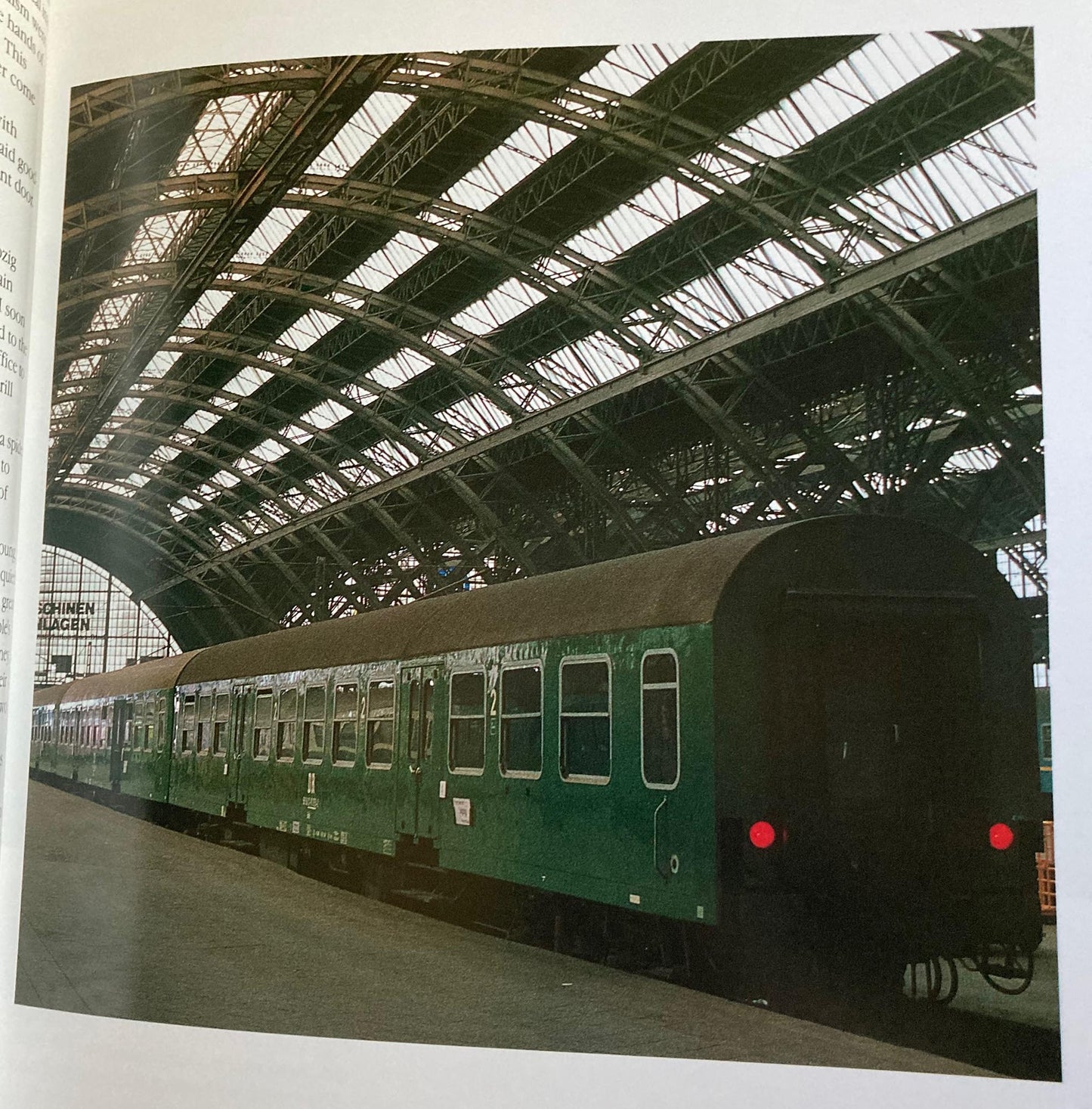
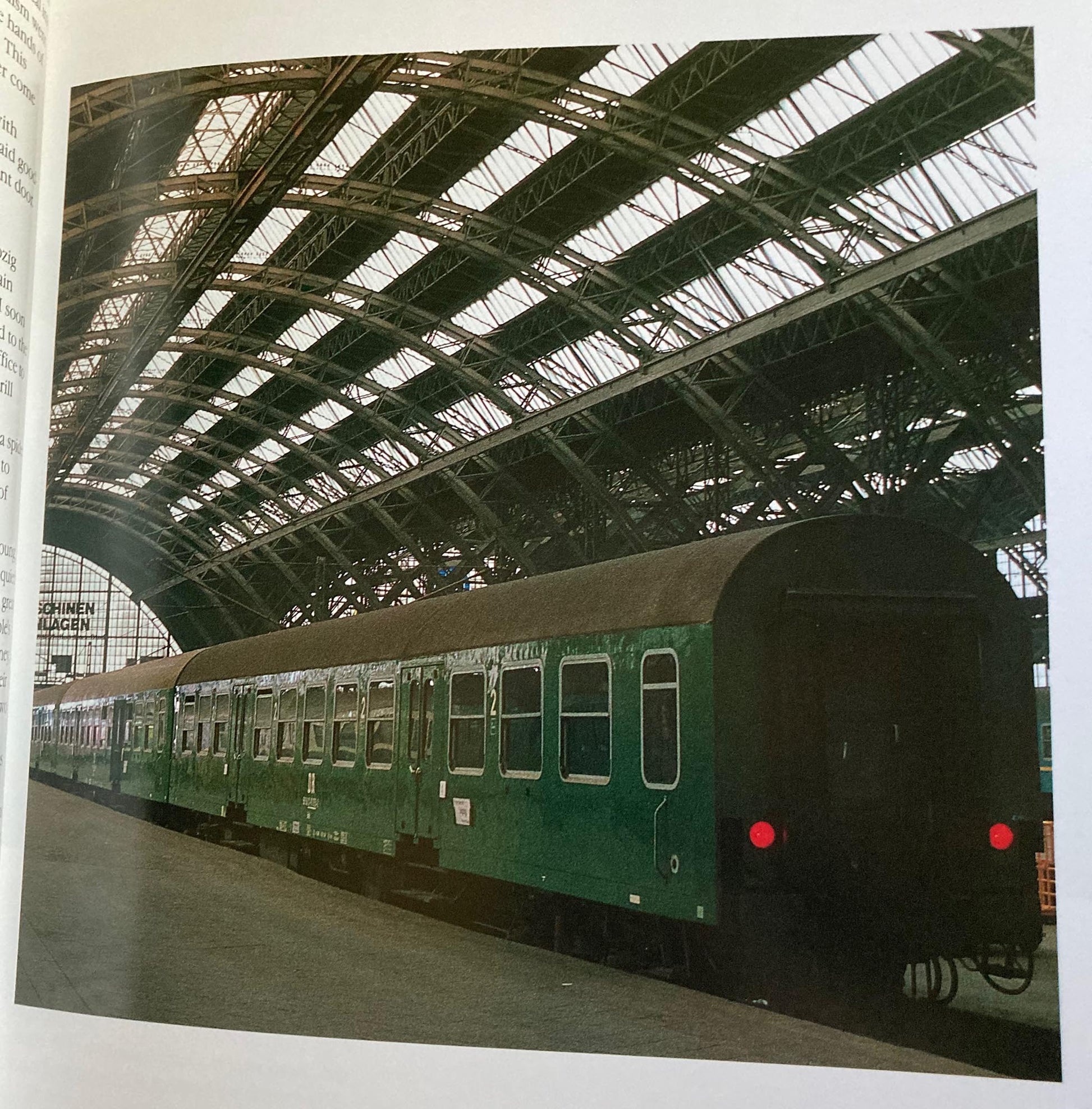
Visual Documentation: Peter Solness’s color photography is a hallmark of the book, capturing the stark landscapes of Siberia, the industrial grit of the Soviet republics, and the daily lives of travelers on the world’s longest railway.
-
Core Theme
The book serves as a meditation on the "Red" world—the various states of socialism and communism—at a moment of total upheaval. It explores the tension between the vast, unchanging geography of the steppe and the rapid, volatile political changes of the late 20th century.